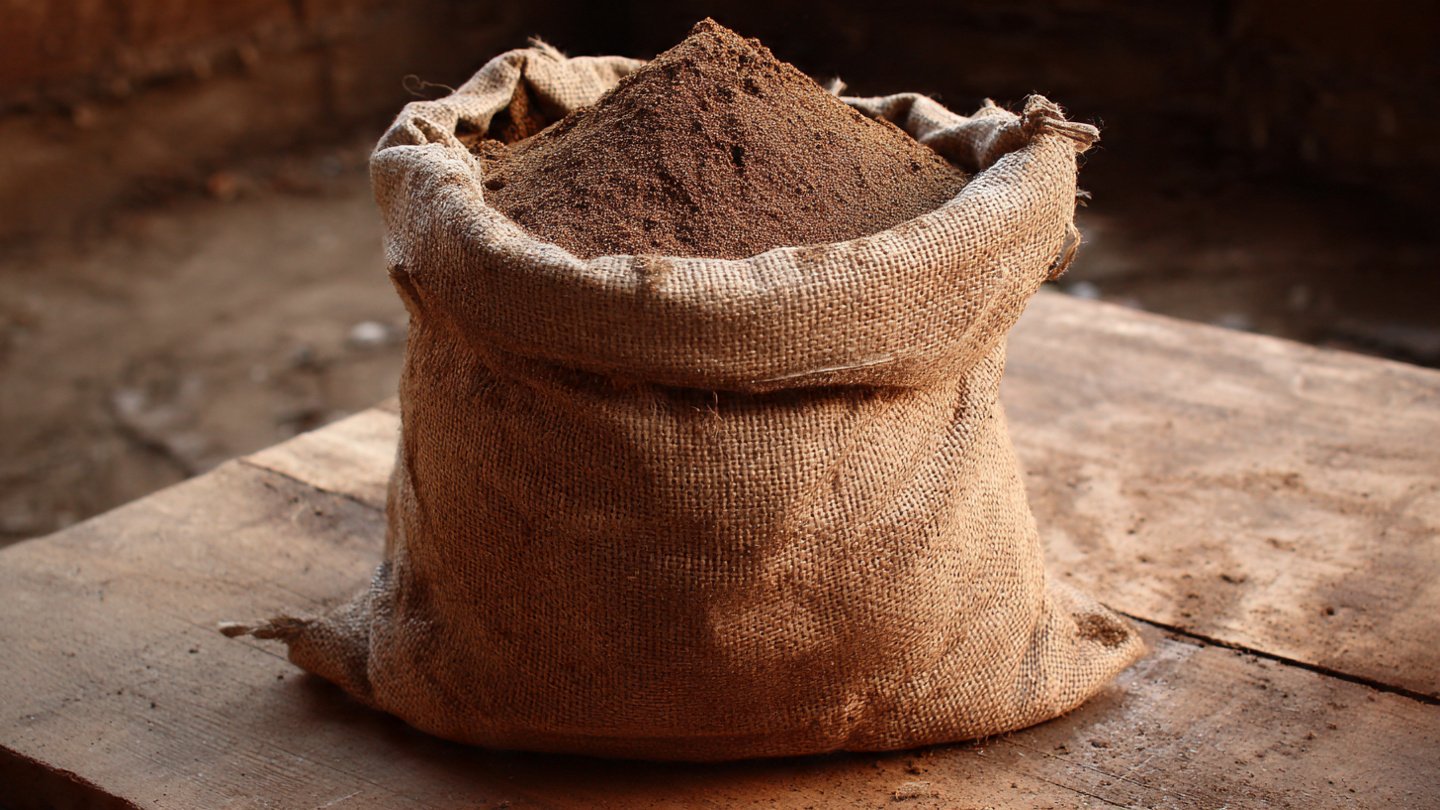
Heavy clay soil, with its dense texture and poor drainage, can be a gardener’s worst enemy. It becomes compacted easily, doesn’t absorb water well, and is often a challenge for growing a variety of plants. One of the most suggested remedies for this issue is to mix in sand. But does a simple bag of sand really make a significant difference? Let’s explore the relationship between clay soil and sand, how to properly mix the two, and whether this combination is truly effective.
Understanding Clay Soil
Clay soil, made up of tiny particles, has certain characteristics that can make gardening difficult:
- Water Retention: Clay holds onto water, often leading to waterlogged conditions which can suffocate plant roots.
- Poor Aeration: The density of clay limits air circulation, making it hard for plants to thrive.
- Compaction: Clay easily compacts under pressure, creating a solid layer that’s difficult for roots to penetrate.
Characteristics of Sand
On the other hand, sand has its own beneficial properties:
- Improves Drainage: Sand’s larger particle size facilitates faster water movement, reducing water retention.
- Aeration Enhancement: Sand allows better air movement in the soil, which is crucial for root health.
- Reduces Compaction: When mixed with clay, sand can help loosen compacted soil layers.
Can Sand Aid Clay Soil?
Theoretically, mixing sand into heavy clay soil should improve its texture, drainage, and aeration. However, it is crucial to note that simply adding sand isn’t a foolproof solution. Here’s why:
Mixing Ratios Matter
To achieve improved soil texture, the right mixing ratio of clay to sand is essential. A common recommendation is a 1:1 ratio; however, this can often lead to the creation of a “concrete-like” mixture due to high clay content. Instead, a 2:1 ratio of clay to sand is frequently advocated. This ensures that the benefits of sand are realized without the mix becoming too compacted.
Organic Matter is Key
In addition to sand, incorporating organic matter like compost or well-rotted manure can drastically improve soil structure. Organic matter works alongside sand to offer nutrients and enhance the soil’s ability to hold moisture while allowing for proper drainage.
How to Amend Your Clay Soil with Sand
If you’re keen to transform your heavy clay garden soil, follow these steps:
1. Test Your Soil
Before making alterations, it’s wise to conduct a simple soil test to understand its existing pH and nutrient levels. This can help tailor your amendments.
2. Choose the Right Sand
Opt for coarse sand (also known as builder’s sand) instead of fine sand or beach sand. Coarse sand has larger particles and is more effective in improving drainage.
3. Prepare the Area
Clear the area of debris and weeds to ensure you are working with clean soil.
4. Apply the Mix
Spread the sand across the surface of the clay soil at the intended ratio, then mix it thoroughly using a garden fork or rototiller. If you’re adding organic matter, mix it in at the same time.
5. Water and Observe
After mixing, water the area lightly and monitor how the soil drains over the following weeks. Adjust your amendments if necessary.
Other Alternatives for Improving Clay Soil
While sand is a common solution, several other strategies can enhance clay soil as well:
- Gypsum: Applying gypsum can help break up clay particles and improve drainage without changing the soil pH.
- Cover Crops: Growing cover crops like clover or vetch can enhance soil structure and increase organic matter content.
- Deep Tillage: Breaking up compacted layers through deep tillage can improve soil structure over time.
Conclusion
In summary, a simple bag of sand can be a valuable component in transforming heavy clay garden soil, but it is not a magical solution on its own. It requires the right mixing ratios, the inclusion of organic matter, and ongoing soil care to yield the best results. While sand improves drainage and aeration, comprehensive soil management practices will ultimately determine the health and productivity of your garden. By understanding your garden’s unique needs and employing a variety of strategies, you can create a thriving environment for your plants to flourish.
FAQs
1. How much sand should I use to amend my clay soil?
A general recommendation is to use a 2:1 ratio of clay to sand. Depending on your specific situation, you may need to adjust the amount accordingly.
2. Can I use fine sand instead of coarse sand?
It is best to use coarse sand (builder’s sand) as it is more effective in improving drainage and preventing soil compaction.
3. Does adding sand alone solve the problems of clay soil?
No, while sand can improve drainage and aeration, adding organic matter is crucial for maintaining soil health and fertility.
4. How often should I amend my soil?
Soil amendments should be added annually or biannually, depending on your garden’s needs, soil test results, and the types of plants you are growing.
5. Are there plants that thrive in heavy clay soil?
Yes, certain plants, like native grasses, willows, and some vegetables, can tolerate or even prefer clay soils, though improving the soil will lead to better growth.