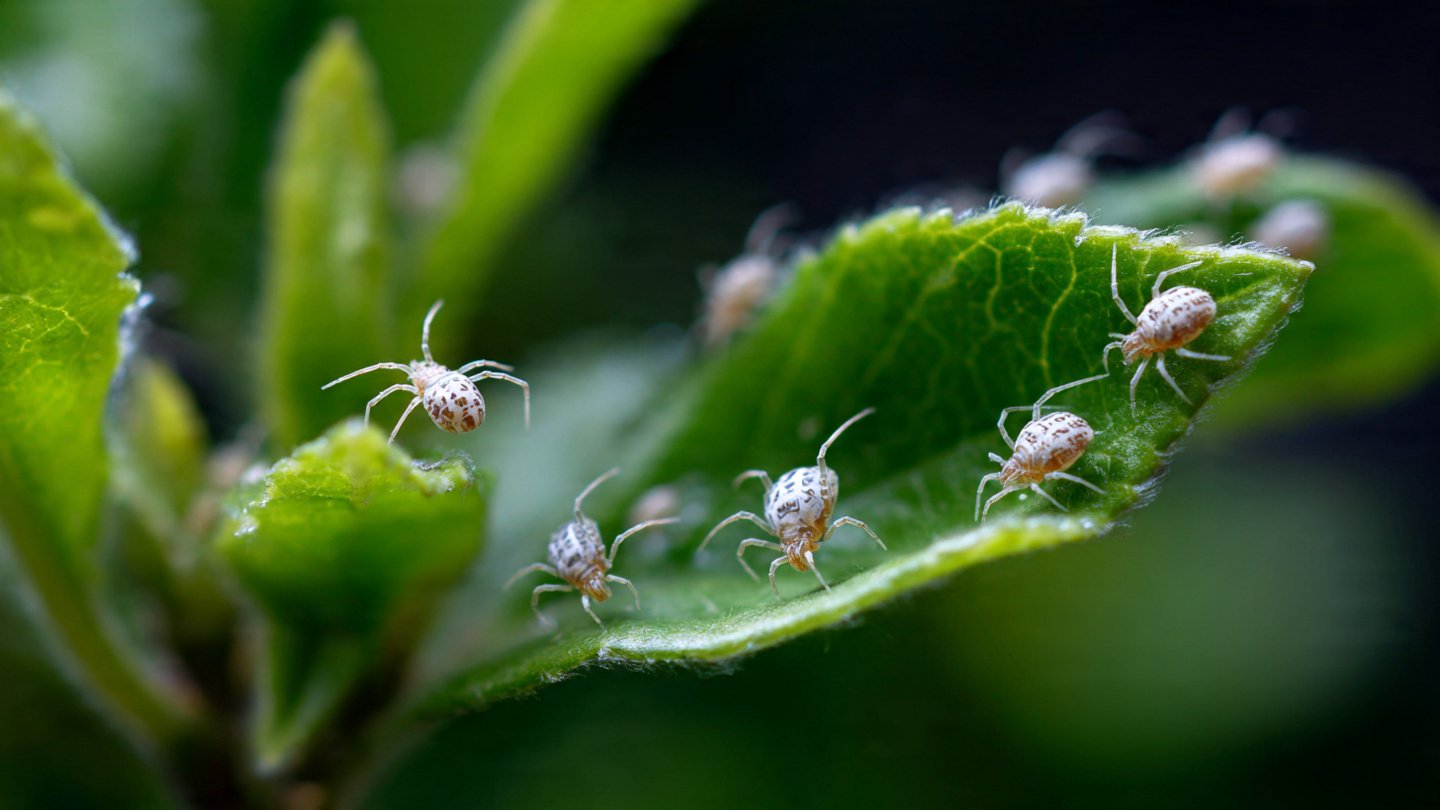
Understanding Spider Mites
Spider mites are tiny, sap-sucking pests belonging to the Tetranychidae family. These arachnids thrive in warm, dry conditions, making them a common nuisance in gardens and indoor plants. Identifying spider mites can be challenging since they are often invisible to the naked eye, but their presence can be detected by the fine webbing they produce and the stippling damage they cause on plant leaves.
These pests can reproduce rapidly, turning a minor infestation into a full-blown problem in a short period. It’s crucial to act swiftly to manage spider mites effectively, and many gardeners prefer natural methods over synthetic chemicals to protect their plants and the environment.
Identifying Spider Mite Infestation
Before treating spider mites, it’s essential to confirm their presence. Signs of an infestation include:
- Discolored leaves with yellow or brown spots.
- Faded leaves that may appear to be dusted with powder.
- Fine webs, particularly on the undersides of leaves.
- Leaves that curl or drop prematurely.
Natural Methods for Eliminating Spider Mites
1. Increase Humidity
Spider mites thrive in dry conditions. Increasing humidity levels around your plants can help deter these pests. You can achieve this by:
- Misting your plants regularly.
- Using a humidity tray filled with water and pebbles.
- Grouping plants together to create a microclimate.
Higher humidity creates an unfavorable environment for spider mites, reducing their populations significantly.
2. Wash Your Plants
Regularly washing your plants with a strong stream of water can physically remove spider mites and their webs. Be sure to focus on the undersides of the leaves, where these pests often reside. This method can drastically reduce their numbers while also promoting healthier plant growth.
3. Neem Oil
Neem oil is a natural insecticide derived from the seeds of the neem tree. It disrupts the life cycle of spider mites and other pests. To use neem oil effectively:
- Mix 2 tablespoons of pure neem oil with 1 gallon of water.
- Add a few drops of mild dish soap to help emulsify the mixture.
- Spray the solution onto infested plants, ensuring thorough coverage.
Apply neem oil every 7-14 days until the infestation is under control.
4. Insecticidal Soap
Insecticidal soap is another effective natural treatment for spider mites. This solution works by suffocating the pests. To create your own insecticidal soap:
- Mix 1 to 2 tablespoons of liquid soap (not detergent) with 1 quart of water.
- Test the solution on a small part of the plant before full application.
- Spray directly on affected areas, focusing on the undersides of leaves.
Reapply every few days until the spider mites are eliminated.
5. Introduce Beneficial Insects
Natural predators can help control spider mite populations effectively. Ladybugs, lacewings, and predatory mites feast on spider mites and their eggs. Introducing these beneficial insects to your garden or indoor plants can create a natural balance and keep spider mite populations in check.
6. Essential Oils
Certain essential oils possess insect-repelling properties. Oils such as rosemary, peppermint, and clove can deter spider mites. To use essential oils:
- Mix a few drops of essential oil with water in a spray bottle.
- Spray the solution on infested plants.
Be cautious and perform a test patch first to ensure your plants do not have adverse reactions.
7. Diatomaceous Earth
Diatomaceous earth (DE) is a fine powder made from fossilized algae. It is effective at controlling spider mites and other pests by dehydrating them. To use DE:
- Lightly dust the affected areas of your plants with food-grade diatomaceous earth.
- Reapply after watering or rain, as it can wash away.
Always wear a mask when applying DE to prevent inhalation.
Maintaining Healthy Plants
Prevention is the best strategy for managing spider mites. Here are some tips to help you keep your plants healthy and reduce the risk of infestation:
- Regularly inspect plants for any signs of pests.
- Maintain a consistent watering schedule to prevent stress on plants.
- Rotate plants regularly and avoid overcrowding to improve air circulation.
- Fertilize appropriately, as healthy plants are more resilient to pests.
By maintaining a healthy growing environment, you can minimize the chances of a spider mite invasion.
Conclusion
Eliminating spider mites naturally is not only feasible but also beneficial for your garden’s ecosystem. By using methods like increasing humidity, washing plants, employing natural insecticides, and introducing beneficial insects, you can effectively manage spider mite populations without resorting to harsh chemicals. Ultimately, adopting preventive measures will ensure that your plants remain healthy and pest-free, allowing you to enjoy a thriving garden environment.
FAQs
1. How long does it take to get rid of spider mites naturally?
The time it takes to eliminate spider mites can vary depending on the severity of the infestation and the methods used. Generally, consistent application of natural treatments can show results within 1-3 weeks.
2. Can spider mites survive the winter?
Yes, spider mites can survive cold temperatures by entering a dormant state. They often hide in plant debris or soil, making it crucial to keep your garden clean during the colder months.
3. Are there any plants that repel spider mites?
Yes, some plants, such as marigolds and mint, can help repel spider mites, making them good companion plants in your garden.
4. Is neem oil safe for all plants?
While neem oil is generally safe for most plants, it’s always best to test a small area first. Some plants, especially sensitive ones, may react negatively.
5. How can I prevent spider mites from returning?
Maintaining plant health, increasing humidity, and regularly inspecting your plants are key strategies to prevent future spider mite infestations.