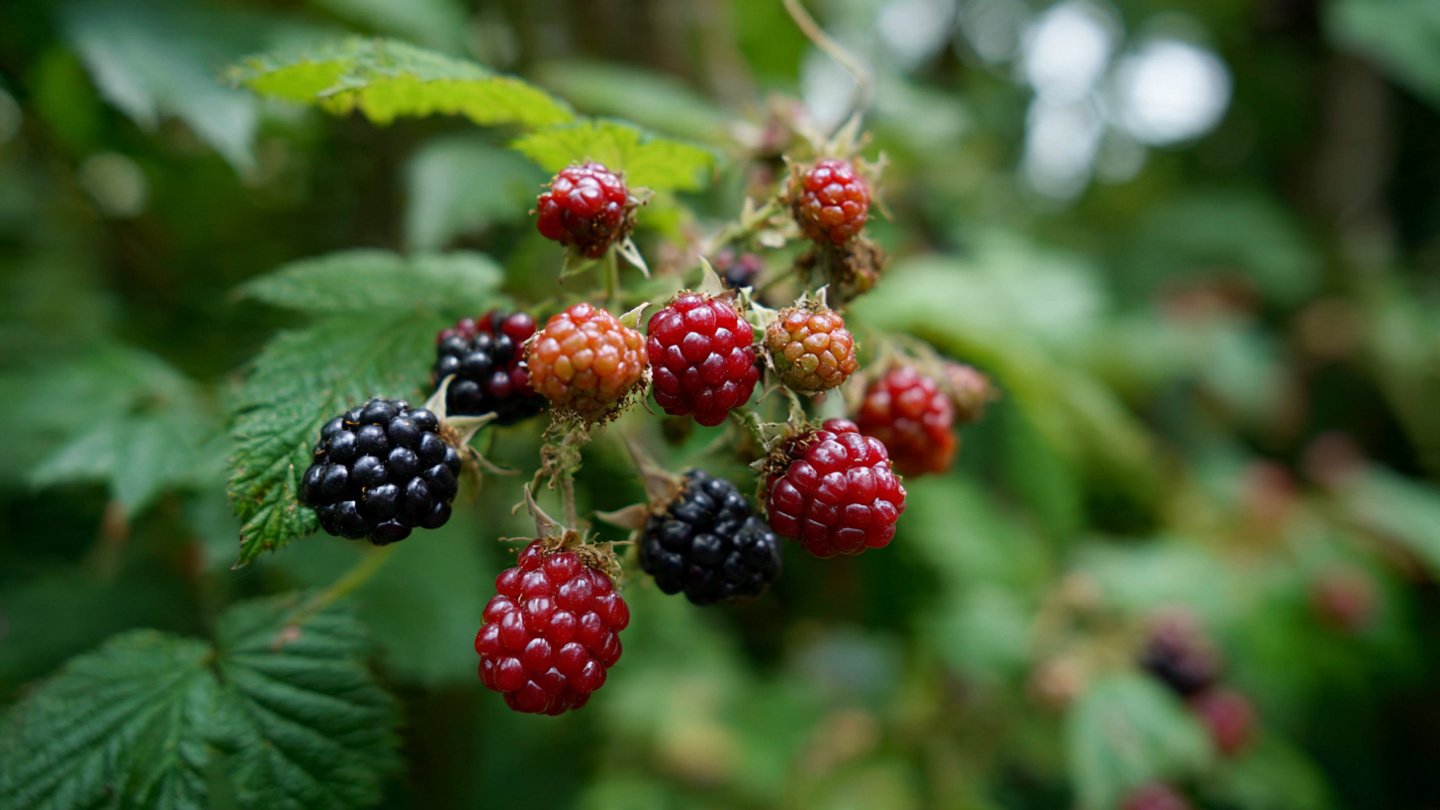
Blackberries are a beloved fruit, cherished not only for their taste but also for their versatility in culinary uses. Among the various types of blackberries, thornless varieties have become increasingly popular, particularly for home gardeners. The appeal of thornless blackberries lies in their ease of cultivation and harvesting, making them ideal for those who want to enjoy fresh berries without the hassle of thorns. Here, we will explore the key elements to growing thornless blackberries effortlessly, ensuring you can reap the rewards of your gardening efforts.
Understanding Thornless Blackberries
Thornless blackberries belong to the Rubus genus and are a result of careful breeding to eliminate prickles that can make harvesting difficult. These varieties include Navaho, Arapaho, and Triple Crown. Each one has its unique flavor profile and growth characteristics, but they all share the convenience of being thornless.
Best Varieties for Home Gardens
When selecting thornless blackberry varieties for your garden, consider the following:
- Navaho: This semi-erect variety produces large, sweet berries and is known for its vigorous growth.
- Arapaho: Early ripening with smaller but flavorful berries, this variety is perfect for regions with shorter growing seasons.
- Triple Crown: Offering both great flavor and productivity, this variety produces berries that can be harvested in late summer.
Choosing the Right Location
The first step to ensuring your thornless blackberries thrive is to choose the right location. Consider the following factors:
- Sunlight: Thornless blackberries require full sun for at least six hours a day for optimal fruiting. Look for a site that gets morning sun, which allows plants to dry off dew quickly, preventing diseases.
- Soil Type: Blackberries thrive in well-draining, loamy soil enriched with organic matter. Conduct a soil test to determine pH; ideally, it should be between 5.5 and 7.0.
- Space: Allow adequate space between plants (3 to 4 feet) to promote good air circulation and prevent the spread of diseases.
Soil Preparation
Preparing your soil is critical for the success of your thornless blackberries. Here’s how to do it:
- Tilling: Loosen the soil to a depth of at least 12 inches, adding organic compost to improve fertility.
- Drainage: Ensure proper drainage, as blackberries are susceptible to root rot. Raised beds can help with this if your soil retains too much moisture.
- Mulching: Apply a layer of mulch to help retain moisture, suppress weeds, and maintain consistent soil temperature.
Planting Your Blackberries
Once your soil is prepared, it’s time to plant your thornless blackberries. Follow these steps for optimal planting:
- Timing: Plant in the spring after the last frost. This will give your plants a full growing season to establish.
- Depth: Dig holes that are about two feet apart and deep enough to cover the roots without crowding; the crown should be level with the soil surface.
- Watering: After planting, water thoroughly to settle the soil around the roots.
Watering and Fertilization
Watering and fertilization are vital for the health and productivity of your blackberries:
- Watering: Thornless blackberries require consistent moisture, especially during fruit development. Aim to water deeply every week or more often during dry spells.
- Fertilization: Use a balanced fertilizer in early spring just as new growth begins. Follow the recommended rates on the package, but avoid over-fertilizing, which can lead to excessive foliage at the expense of fruit.
Pest and Disease Management
Like all plants, thornless blackberries are susceptible to various pests and diseases. Here are some common issues to monitor:
- Pests: Watch out for spider mites, aphids, and fruit flies. Use insecticidal soap or natural predators to manage infestations.
- Diseases: Common diseases include rust and powdery mildew. Ensure good air circulation and avoid overhead watering to minimize these risks.
Pruning for Productivity
Pruning is essential for maintaining the health and productivity of thornless blackberries:
- Timing: Prune in late winter or early spring when plants are still dormant.
- Technique: Remove dead wood and thin out overcrowded canes to promote better airflow. For erect varieties, cut the canes back to 5 to 6 feet.
Harvesting Thornless Blackberries
Thornless blackberries are usually ready to harvest in mid to late summer. Here’s how to tell when they’re ripe:
- Color: Look for a deep, dark black color; ripe blackberries will easily come off the vine when gently pulled.
- Taste: Taste test; ripe berries will be sweet and juicy, while unripe ones will taste sour and firm.
Conclusion
Growing thornless blackberries can be a rewarding endeavor that requires careful planning, maintenance, and knowledge of the right growing conditions. By selecting the best varieties, ensuring optimal soil and climate conditions, and applying proper care and pruning techniques, you can enjoy a bountiful harvest of sweet, succulent berries without the hassle of thorns. The keys to success lie in understanding the unique needs of these plants, and with patience and effort, you’ll cultivate a thriving blackberry patch right in your backyard.
FAQs
1. How long do thornless blackberries take to produce fruit?
Typically, thornless blackberries will begin to produce fruit in their second growing season after planting.
2. Can thornless blackberries grow in pots?
Yes, thornless blackberries can be grown in pots, but ensure that the container is large enough (at least 5 gallons) and has proper drainage holes.
3. Do I need two different varieties for pollination?
No, thornless blackberries are self-pollinating, so you only need one variety to produce fruit.
4. What is the best time to prune thornless blackberries?
Late winter or early spring before new growth begins is the best time to prune thornless blackberries.
5. Are thornless blackberries more disease-resistant than regular blackberries?
Thornless blackberries can be more manageable due to easier harvesting but are not necessarily more disease-resistant. Proper care is essential for minimizing disease risks.