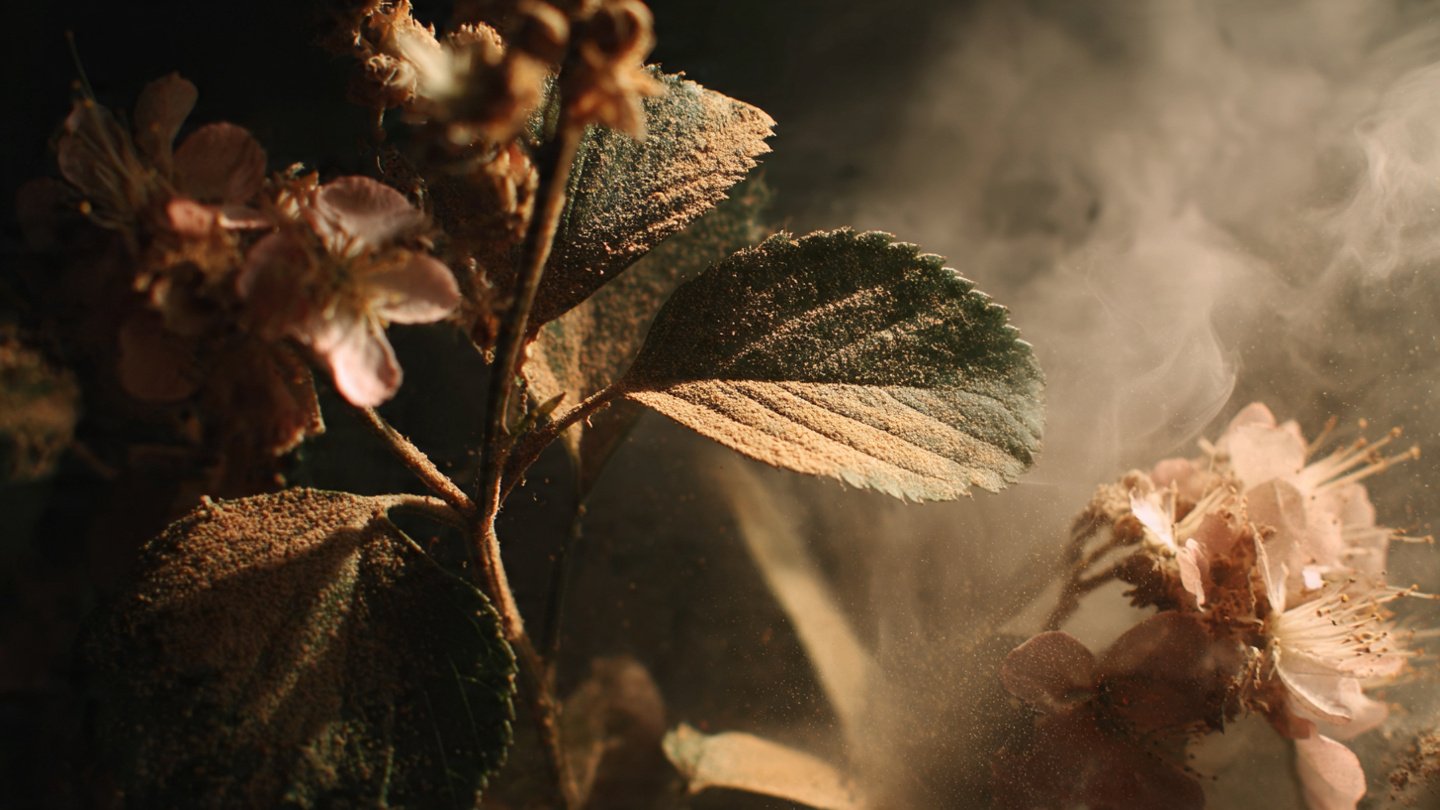
When caring for flowering plants, gardeners often focus on watering, fertilizing, and providing adequate sunlight. However, one crucial aspect that is frequently overlooked is the accumulation of dust on the leaves. Although it might seem trivial, allowing dust to collect on flower leaves can lead to significant risks that can compromise the health of the plant. In this article, we will explore the various consequences of dust accumulation on flower leaves and provide tips on how to manage this issue effectively.
Understanding the Importance of Leaf Cleanliness
Leaves are vital for a plant’s health as they are responsible for photosynthesis, the process through which plants convert sunlight into energy. Dust accumulation can severely hinder this process for several reasons:
- Photosynthesis Disruption: Dust forms a barrier on leaves, preventing sunlight from reaching the chlorophyll needed for photosynthesis. When this process is interrupted, it can lead to stunted growth and weaker plants.
- Pest Attraction: Dust can create a habitat for various pests. Spiders, aphids, and other garden pests can thrive in the dusty environment, leading to infestations that can harm the plant.
- Fungal Growth: Dust can hold moisture, creating a conducive environment for fungal spores. As these spores settle on the leaves, they can lead to diseases such as powdery mildew.
The Impacts on Plant Health
Allowing dust to accumulate can lead to several disadvantages that directly harm your flowering plants. Below are some of the critical impacts:
1. Reduced Photosynthetic Efficiency
As mentioned earlier, dust on leaves blocks sunlight, which is crucial for photosynthesis. Reduced light availability can cause nutrient deficiencies, darkening leaf colors, and leading to a lack of flowering or poor flower development.
2. Increased Risk of Disease
Not only does dust contribute to fungal growth, but it also makes plants susceptible to bacterial diseases. Dust particles can settle on the leaves and provide a nurturing environment for pathogens, increasing the chances of your plants becoming diseased.
3. Pest Infestations
Many pests are attracted to dusty plants as they provide a hiding space and food source. Dust can facilitate the growth of mildew and other fungal issues, attracting insects that exploit these conditions, ultimately leading to a pest outbreak.
4. Compromised Aesthetic Appeal
For many gardeners, the visual appeal of flowers is paramount. Dust accumulation is unsightly and can detract from the overall beauty of your plants. Clean leaves can reflect light better, adding to the plant’s luster and vibrancy.
Identifying Dust Accumulation
It’s essential to identify dust accumulation on your flowering plants before it becomes a severe issue. Look for the following signs:
- Cloudy Appearance: Leaves that appear dull or clouded are likely covered in dust.
- Stunted Growth: If you notice that your plants are not growing as expected, dust accumulation may be a contributing factor.
- Pest Presence: Check for pests around dusty areas; their presence could indicate that dust is affecting your plant’s health.
Managing Dust on Flower Leaves
Taking preventive measures is crucial to ensure your flowers remain healthy and beautiful. Here are several effective strategies:
1. Regular Cleaning
One of the easiest ways to manage dust is through regular cleaning. Use a damp cloth or sponge to wipe the leaves gently, ensuring you don’t damage the delicate surface. This task can be done weekly or biweekly, depending on your environment.
2. Spray with Water
Gently spraying the leaves with water can help wash away the dust. This method should be performed in the early morning or late afternoon to avoid scorching the leaves under direct sunlight.
3. Create a Dust-Free Environment
Positioning your plants in areas where dust is less likely to accumulate can be beneficial. Keep plants away from open windows, near busy roads, or construction sites where dirt and dust levels are higher.
4. Implementing Air Filters
Using air filters in your home can help reduce indoor dust levels. HEPA filters are particularly effective, as they trap dust particles and minimize their circulation in the air.
Conclusion
Allowing dust to accumulate on flower leaves poses serious risks to the health and vitality of your plants. From hindering photosynthesis to attracting pests and diseases, the consequences can be far-reaching and detrimental. Taking the time to regularly clean your plants and maintain a dust-free environment can significantly enhance their overall health and aesthetic appeal. By understanding the risks associated with dust accumulation, you can ensure that your flowering plants thrive beautifully and healthily for years to come.
FAQs
Q1: How often should I clean the leaves of my flowering plants?
A: It is advisable to clean the leaves every week or biweekly. This frequency can help prevent dust buildup and its associated risks.
Q2: Can I use soap or chemicals to clean the leaves?
A: It is best to avoid using soap or chemicals unless specified for use on plants, as these can harm them. A soft damp cloth or water is usually sufficient.
Q3: What should I do if I notice pests on my dusty plants?
A: If you notice pests, isolate the affected plants and treat them with appropriate pest control methods. Regular cleaning can also help prevent future infestations.
Q4: Do different types of plants require different cleaning methods?
A: Yes, some plants may have sensitive leaves that require gentler cleaning methods. Always research specific plants to ensure proper care.