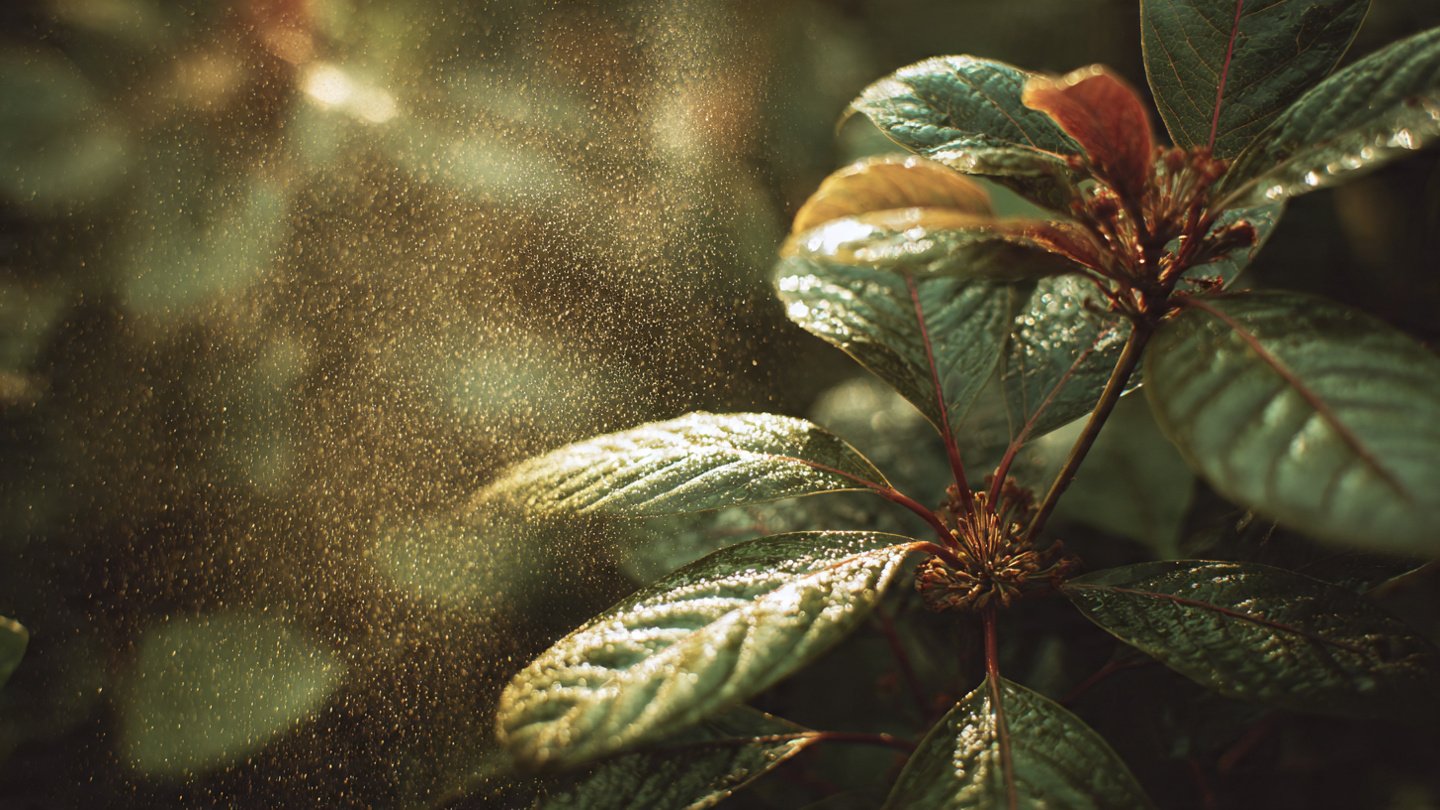
Maintaining a vibrant garden or indoor plant collection requires attention to various factors, and one often overlooked aspect is the accumulation of dust on flower leaves. While it may seem minor, the presence of dust can significantly impact plant health. This article will delve into the risks associated with dust accumulation, highlighting the effects on photosynthesis, pest attraction, and overall plant vitality. We will also discuss effective cleaning methods and preventive measures to ensure your plants flourish.
The Importance of Leaf Health
Flower leaves serve as the primary sites for photosynthesis, the process through which plants convert light energy into chemical energy. Healthy leaves are crucial for the overall vitality of the plant, influencing growth, flowering, and resilience to pests and diseases. Dust can obstruct leaf surfaces, impacting their ability to perform these essential functions.
How Dust Accumulates on Leaves
Dust primarily accumulates on plant leaves due to environmental factors, including:
- Airborne Particles: Dust from nearby roads, construction sites, and natural elements can settle on leaves over time.
- Indoor Environments: In closed spaces, dust from fabrics, furniture, and electronics can quickly coat plant leaves.
- Humidity and Moisture: Moisture in the air can cause dust to cling to leaves, creating a layer of grime that is difficult to remove.
Risks of Dust Accumulation
1. Impaired Photosynthesis
When dust settles on leaves, it forms a barrier that blocks sunlight from reaching the leaf surface. This can reduce the effectiveness of photosynthesis, leading to:
- Stunted Growth: Insufficient light can hinder the growth rate of the plant.
- Poor Flowering: Reduced energy production directly affects flower development.
- Faded Colors: Plants may exhibit dull colors due to inadequate chlorophyll production caused by impaired photosynthesis.
2. Increased Pest Attraction
Dust can serve as a breeding ground for pests and diseases. When leaves are coated with dust, they become more susceptible to:
- Insect Infestations: Aphids, spider mites, and other pests are attracted to dusty environments where they can easily hide and reproduce.
- Fungal Growth: Dust can trap moisture, creating a humid microclimate that fosters the development of diseases like powdery mildew.
3. Reduced Air Circulation
Accumulated dust on leaves can block stomata, the tiny openings that allow for gas exchange in plants. This can lead to:
- Respiratory Issues: Plants may struggle to take in carbon dioxide, which is essential for photosynthesis.
- Increased Water Stress: Poor transpiration rates can lead to water stress, affecting the plant’s overall health.
4. Aesthetic Decline
Dust accumulation not only impacts plant health but also affects the aesthetic appeal of your flowers. Dull, dusty leaves can diminish the vibrancy and beauty of your indoor or outdoor garden.
How to Clean Dust Off Leaves
Cleansing your plants of dust is essential for their health and appearance. Here are a few effective methods to clean leaves:
1. Gentle Wiping
For smaller plants, you can use a soft, damp cloth to gently wipe the leaves. This method is effective for removing moderate dust build-up and won’t damage delicate foliage.
2. Water Spray
A gentle spray of water can help dislodge dust from leaves, especially for larger plants. Be cautious with the water pressure to avoid damaging the foliage.
3. Leaf Shine Product
Using commercial leaf shine products can help restore the natural gloss of leaves while providing dust-repelling properties. Ensure that the product is safe for your specific plant type.
4. Regular Maintenance
Incorporate regular leaf cleaning into your gardening routine. Aim to wipe or rinse leaves at least once a month to prevent excessive dust accumulation.
Preventive Measures
To reduce dust buildup on your flower leaves, consider the following strategies:
1. Placement
Position your plants away from high-traffic areas and sources of dust, such as windows near busy roads or open-air construction sites.
2. Humidity Levels
Maintaining optimal humidity in indoor environments can significantly reduce dust accumulation. Use humidifiers if necessary.
3. Indoor Air Quality
Consider using air purifiers to minimize airborne dust particles, contributing to reduced buildup on your plants.
Conclusion
While it might seem trivial, the accumulation of dust on flower leaves can seriously jeopardize plant health. Impaired photosynthesis, increased pest attraction, reduced air circulation, and aesthetic decline are just a few consequences of neglecting this issue. By understanding the risks and implementing effective cleaning methods and preventive measures, you can ensure that your flowers stay vibrant and healthy. Remember, the care you provide today will set the stage for a flourishing garden tomorrow.
FAQs
1. How often should I clean my plant leaves?
It’s advisable to clean leaves at least once a month to prevent dust accumulation, especially for indoor plants.
2. Can dust on leaves cause permanent damage?
If left unattended for prolonged periods, dust can lead to significant health issues, including stunted growth and increased susceptibility to pests.
3. Are there certain plants that require more cleaning?
Yes, plants with broad leaves typically accumulate more dust and may require more frequent cleaning than those with smaller leaves.
4. Is it okay to use soap and water on plant leaves?
Generally, using a mild soap and water solution is safe for most plants, but always test on a small area first to ensure there’s no reaction.
5. How can I tell if my plant has pest issues related to dust?
If you notice a significant decline in growth, discolored leaves, or small insects on or around the plant, it may indicate a pest problem exacerbated by dusty conditions.