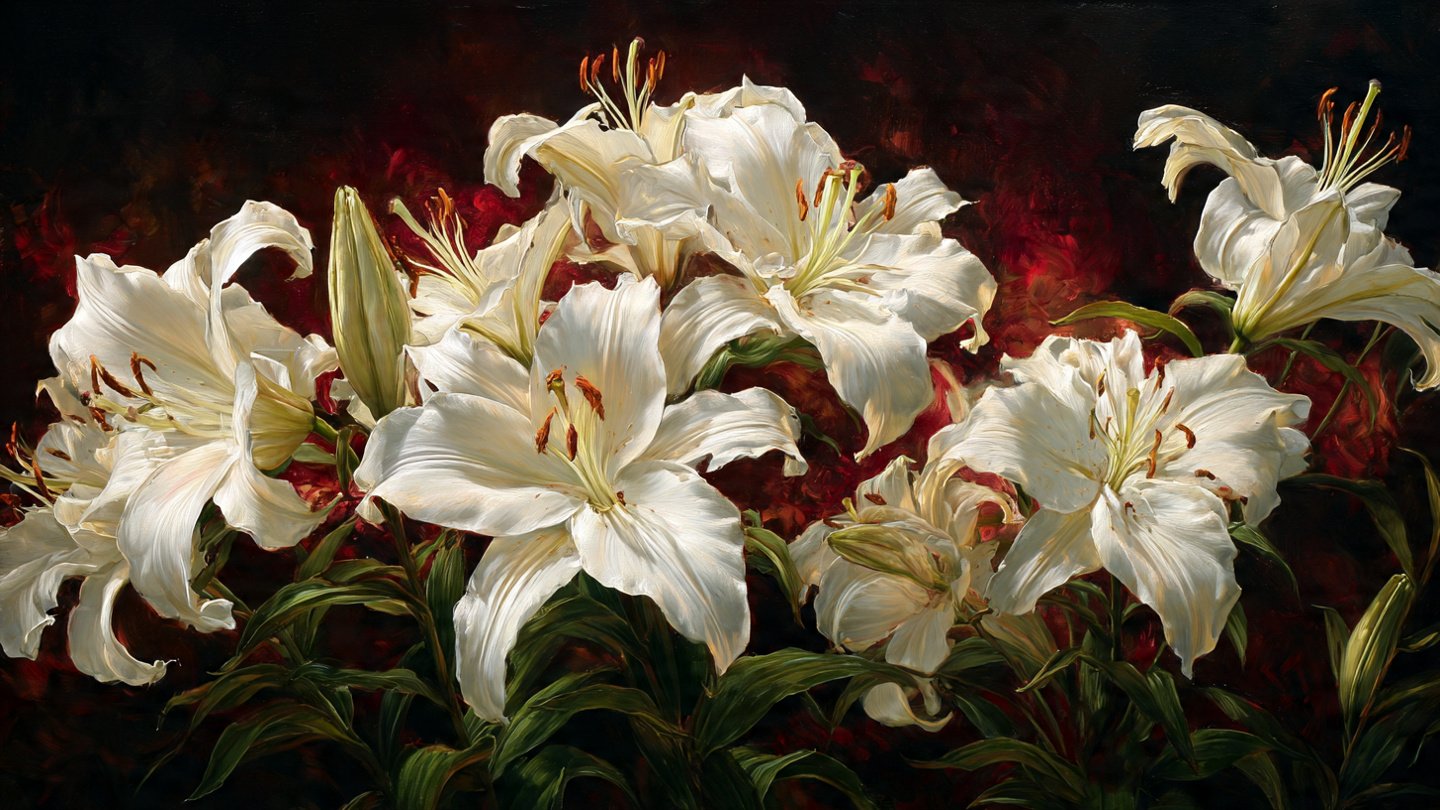
Imagine a garden where the air is filled with the sweet scent of vanilla. This delightful aroma can be found in certain lily varieties, particularly the Lilium genus, which includes species that emit spicy, sweet, and floral fragrances. Growing lilies that smell like pure vanilla is a rewarding endeavor that adds aesthetic appeal and aromatic charm to your garden. In this article, we will delve into the steps required to successfully grow these enchanting flowers, from selecting the right variety to caring for them, ensuring that your efforts yield a beautiful and fragrant bloom.
1. Understanding Vanilla-Scented Lilies
Before embarking on your gardening journey, it’s essential to understand the specific types of lilies that emit a vanilla scent. The most notable variety is the Oriental Lily, particularly the cultivar Lilium ‘Star Gazer’ and others with similar fragrance profiles. These flowers not only bloom with stunning beauty but also release a fragrance reminiscent of vanilla, especially during the hot summer months.
2. Choosing the Right Variety
Not all lilies have the enchanting vanilla scent. You need to select varieties known for their fragrance. Here are some varieties worth considering:
- Lilium ‘Star Gazer’: Renowned for its sweet, strong scent and vibrant petals.
- Lilium ‘Casa Blanca’: A popular white lily that also offers a lovely fragrance.
- Lilium ‘Life Cycle’: Praised for its delightful aroma and unique colors.
Choosing a variety that not only suits your garden’s climate but also ranks high on the fragrance scale is vital for achieving that vanilla essence.
3. Planting Your Lilies
Once you’ve selected the right variety, the next step is to plant them properly. Here’s a step-by-step guide on how to go about it:
3.1 Best Time to Plant
Spring is the ideal time to plant lilies, as this allows the bulbs to establish roots before the onset of summer heat. However, fall planting is also favorable in milder climates.
3.2 Choosing the Right Location
Lilies thrive in well-drained soil with plenty of sunlight. Aim for a location that receives at least 6 hours of direct sunlight each day. Avoid spots with stagnant water, as excessive moisture can lead to bulb rot.
3.3 Preparing the Soil
To ensure healthy growth, amend your soil with organic matter, such as compost or well-rotted manure. This enhances drainage and provides nutrients essential for the lilies.
3.4 Planting Depth and Spacing
When planting lily bulbs, bury them at a depth of about 6 to 8 inches, with the pointed end facing upwards. Space the bulbs approximately 12 to 18 inches apart to allow for their growth and spreading of roots.
4. Caring for Your Lilies
After planting, proper care is essential to ensure your lilies flourish into fragrant blooms.
4.1 Watering
Regular watering is crucial, especially in the initial stages of growth. Keep the soil consistently moist but avoid overwatering, which can lead to bulb rot. Water the lilies early in the morning or late in the afternoon to minimize evaporation.
4.2 Fertilizing
Using a balanced fertilizer during the growing season will help boost blooms. Apply fertilizer every 4-6 weeks, but be cautious not to over-fertilize, which can damage the bulbs.
4.3 Pruning and Deadheading
Remove spent flowers (deadheading) to encourage new blooms and prevent the plant from putting energy into seed production. After the blooming period, you can prune back the stems to about 6 inches above the ground.
5. Protecting Your Lilies
Like all plants, lilies can fall prey to pests and diseases. Here are some common problems and solutions:
5.1 Pests
Common pests include aphids, lily beetles, and spider mites. Regular inspection and natural insecticides can help manage these infestations. Consider introducing beneficial insects such as ladybugs, which feed on pests.
5.2 Diseases
Lilies can be susceptible to diseases such as botrytis blight. Maintain proper spacing and air circulation to minimize disease risk. If you notice signs of disease, remove affected leaves and treat them with appropriate fungicides.
6. Harvesting for Aroma
As your lilies bloom, consider harvesting them at the right time to enjoy their fragrance. Cut the stems when the flowers are just beginning to open for optimal scent and longevity in a vase.
Conclusion
Growing lilies that smell like pure vanilla is an enjoyable and enriching experience for any garden enthusiast. With the right variety, proper planting, and consistent care, your garden can be transformed into a fragrant paradise. The allure of their sweet scent will not only enhance your outdoor space but also bring joy and tranquility to your surroundings. Whether you choose to cultivate them for personal enjoyment or to impress guests, these aromatic beauties will undoubtedly become a centerpiece in your garden.
FAQs
1. How long does it take for lilies to bloom?
Generally, lilies take about 70 to 100 days from planting to bloom, depending on the variety and growing conditions.
2. Do vanilla-scented lilies require special care?
No special care is required, but regular watering, proper sunlight, and good soil conditions will help them thrive.
3. Can I grow lilies in pots?
Yes, lilies can be successfully grown in pots. Make sure the pot has excellent drainage and provide adequate moisture and nutrients.
4. How often should I water my lilies?
Water your lilies regularly to keep the soil consistently moist but not soggy. Watering once a week is typically sufficient, but adjust based on weather conditions.
5. When is the best time to plant lily bulbs?
The best time to plant lily bulbs is in the spring after the last frost or in fall for milder climates.