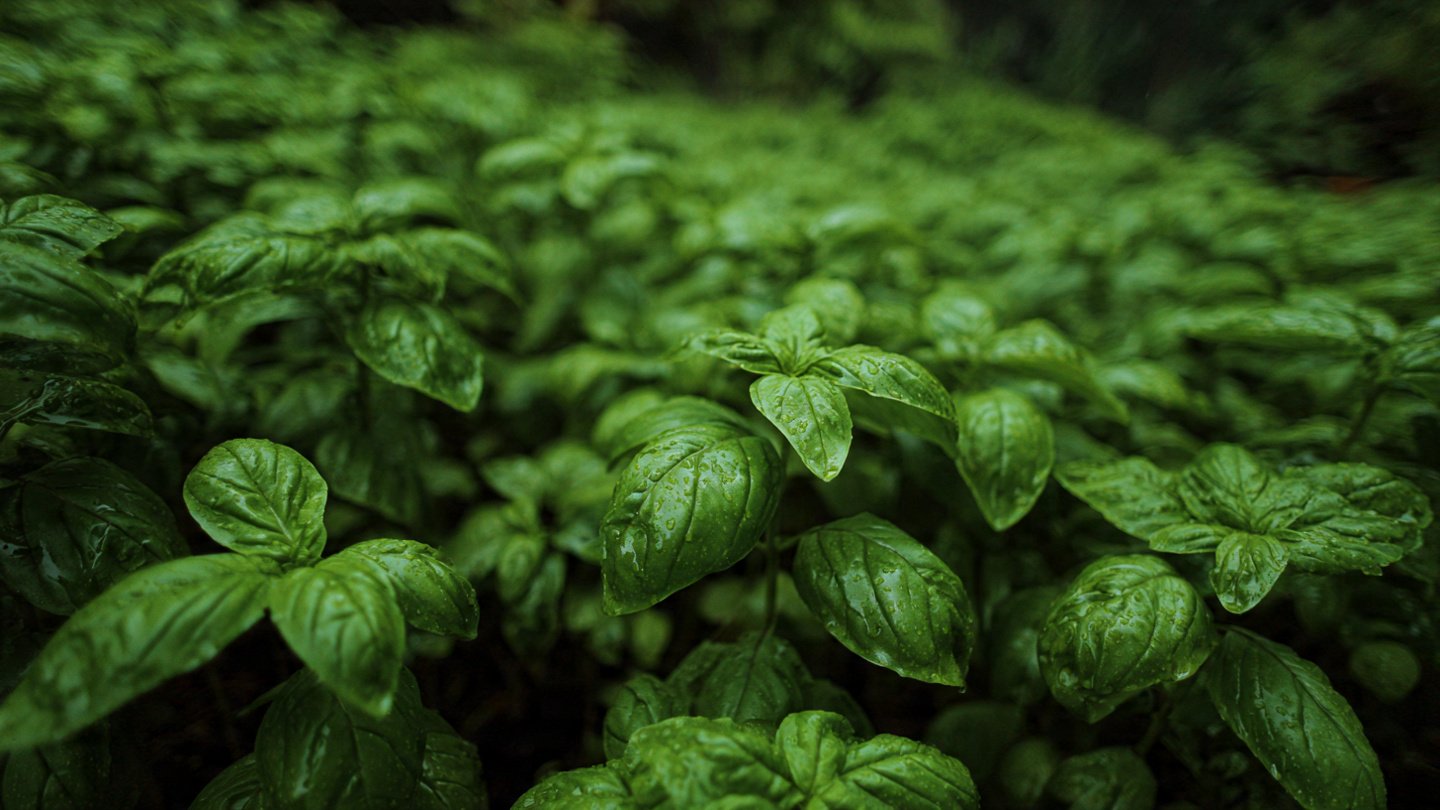
Transforming a Single Store-Bought Bunch into a Thriving Forest of Basil
Basil is not just a culinary delight; it’s an herb filled with flavor, fragrance, and a plethora of health benefits. But what if you could take that single store-bought bunch of basil and turn it into a lush, thriving forest of fresh basil in your own home? With a little knowledge and care, you can do just that! This article delves into the step-by-step process to help you transform a humble bunch of basil into a vibrant garden.
Understanding Basil
Basil (Ocimum basilicum) is a popular herb in many culinary traditions, particularly in Italian, Thai, and Mediterranean cuisines. Known for its aromatic leaves, basil is not just a cooking ingredient but also has medicinal properties, including anti-inflammatory and antioxidant effects.
Benefits of Growing Your Own Basil
- Freshness: Homegrown basil is infinitely fresher than store-bought options, offering better flavor in your dishes.
- Cost-Effective: Growing basil can save you money over time, especially if you use it frequently in your cooking.
- Control: You can ensure your basil is organic and free from pesticides and chemicals.
- Variety: You can experiment with different types of basil such as Thai, lemon, or purple basil, which are not commonly available in stores.
Steps to Transform Your Basil Bunch
Step 1: Select Your Bunch
When purchasing basil, look for a bunch that is vibrant and fresh. The leaves should be bright green without any signs of yellowing or wilting. The stems should also be firm. This will ensure you have strong plants to work with.
Step 2: Prepare for Propagation
To propagate basil, you’ll need to take cuttings from your store-bought bunch. Follow these steps:
- Using clean, sharp scissors, cut the stems of the basil about 4-6 inches long. Make sure each cutting has at least two sets of leaves.
- Remove the lower leaves on each cutting, leaving only the top leaves. This will help reduce moisture loss and encourage root growth.
Step 3: Rooting in Water
Now that you have your cuttings, it’s time to root them:
- Fill a clear glass or jar with water and place the cuttings in it. Ensure that the lower nodes are submerged while the leaves are above the water.
- Place the jar in a warm, sunny location but out of direct sunlight. Change the water every few days to keep it fresh.
- After about 1-2 weeks, you should notice roots beginning to develop. Wait until the roots are about 2-3 inches long before moving to soil.
Step 4: Transplanting to Soil
Once your cuttings have rooted, it’s time to transplant them into soil:
- Choose a pot with drainage holes and fill it with a high-quality potting mix. A mix designed for herbs is ideal.
- Make a small hole in the soil and carefully place the rooted basil cutting in the hole, then gently pat the soil around it to secure it in place.
- Water the plant thoroughly to settle the soil around the roots. Make sure the pot has excellent drainage to prevent root rot.
Step 5: Care for Your Basil Plants
After transplanting, proper care is essential:
- Light: Basil loves sunlight! Aim for about 6-8 hours of bright light each day. If indoor light is insufficient, consider using grow lights.
- Water: Keep the soil moist but not soggy. Water the plants when the top inch of soil feels dry to the touch.
- Fertilizer: Feed your basil every 4-6 weeks with a balanced, water-soluble fertilizer to promote growth.
- Pruning: Regularly trim the leaves to encourage bushy growth. Pinch off the top leaves to promote lateral growth and prevent flowering, which can affect flavor.
Step 6: Harvesting Your Basil
After about 4-6 weeks, your basil plants should be ready for harvesting. Here’s how to do it:
- Use clean scissors to cut off leaves or sprigs. Always cut above a leaf node to encourage new growth.
- To enjoy the best flavor, harvest in the morning after the dew has dried.
- Only harvest a third of the plant at a time, allowing the rest to flourish.
Common Issues & How to Overcome Them
As with any plant, growing basil can come with its challenges. Here are some common problems and solutions:
- Yellow Leaves: This may indicate overwatering. Allow the soil to dry out before watering again.
- Wilting: Wilting leaves can be an indication of either too little or too much water. Assess your watering habits to find balance.
- Pests: Keep an eye out for common pests such as aphids or spider mites. Neem oil or insecticidal soap can help eliminate these pests organically.
Conclusion
Transforming a single store-bought bunch of basil into a thriving forest of basil at home is an achievable and rewarding endeavor. With just a little time, care, and patience, you can grow a never-ending supply of fresh basil that enhances your dishes while providing a therapeutic and fulfilling gardening experience. Whether you have a small kitchen windowsill or a spacious backyard, you can enjoy the joys of gardening through herb cultivation.
FAQs
1. How long does it take basil to grow from cuttings?
After rooting, basil cuttings typically take about 4-6 weeks to grow into harvestable plants, depending on the conditions.
2. Can I grow basil indoors?
Yes! Basil can thrive indoors as long as it receives enough light and warmth. Consider using grow lights if natural light is insufficient.
3. What type of soil is best for basil?
A well-draining potting mix with a balanced nutrient ratio is ideal for growing basil. Avoid heavy garden soil, which can retain too much moisture.
4. How do I know when to harvest my basil?
You can start harvesting basil when the plants are about 6-8 inches tall and have enough leaves to be trimmed without harming their growth.
5. Can I grow basil from dried seeds?
Yes, you can plant basil seeds, but starting from cuttings is faster and provides instant results.