Introduction
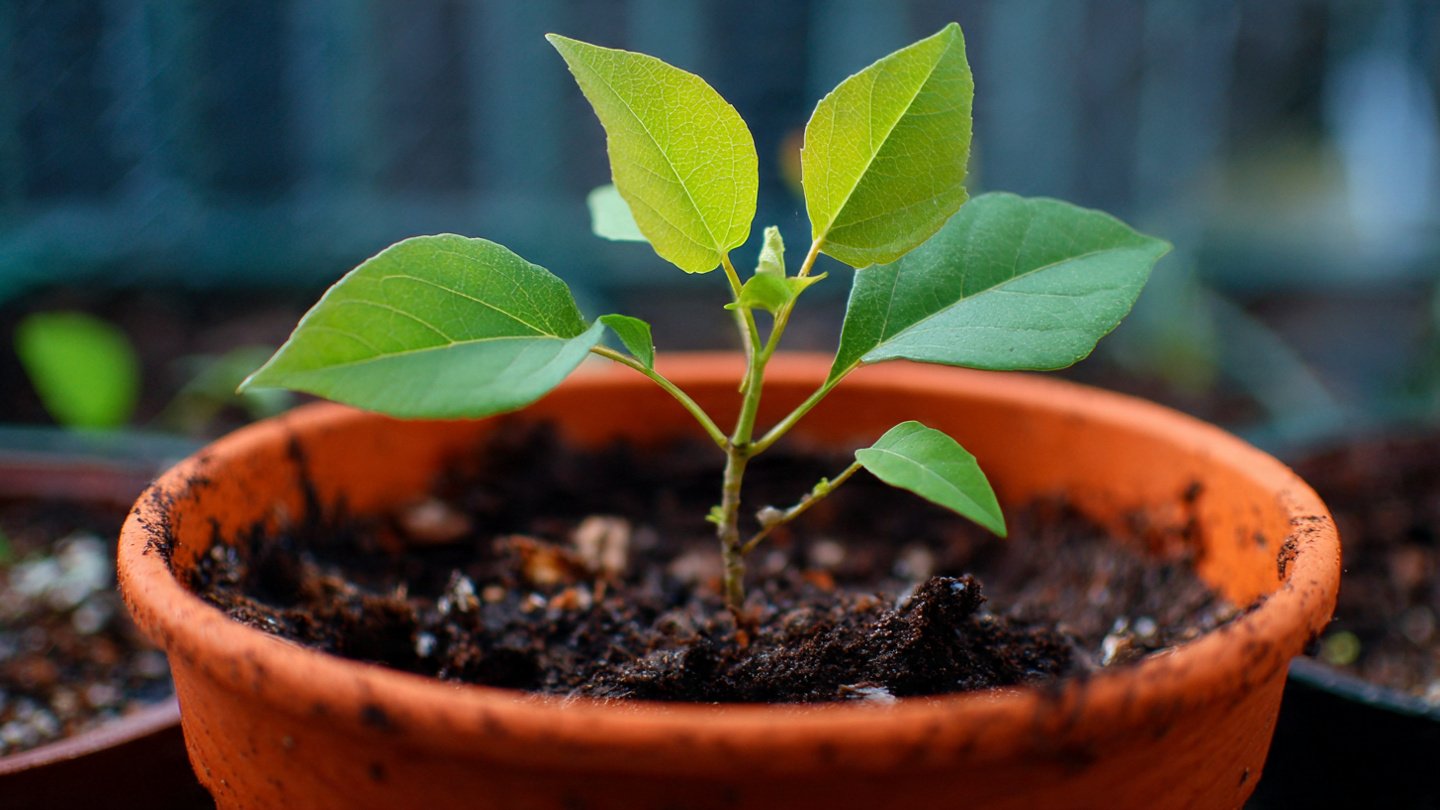
Cinnamon, commonly known as a spice, holds more treasures than its delicious flavor profile. It has been used for centuries in various cultures, not only as a culinary ingredient but also as a natural remedy in healthcare and gardening. When it comes to nurturing young seedlings, cinnamon can serve as a remarkable ally, safeguarding them from various threats. In this article, we will explore the benefits and applications of cinnamon in young seedling care and provide you with useful insights to maximize its potential.
The Benefits of Cinnamon for Seedlings
Cinnamon, derived from the inner bark of trees belonging to the genus Cinnamomum, is rich in several properties that benefit seedling growth. Here are some of the key advantages:
- Natural Fungicide: Cinnamon possesses antifungal properties that can help prevent soil-borne diseases. It effectively combats pathogens such as Fusarium and Pythium, which can threaten the health of young plants.
- Stimulates Root Development: The presence of certain compounds in cinnamon, such as cinnamaldehyde, can encourage root growth, promoting stronger and healthier seedlings.
- Antioxidant Properties: Cinnamon is rich in antioxidants, which can help protect seedlings from oxidative stress, thereby promoting overall vitality and resilience.
- Repels Pests: The scent of cinnamon acts as a natural deterrent for some common pests, such as aphids, making it an eco-friendly option for pest control.
How to Use Cinnamon for Seedlings
Incorporating cinnamon into your seedling care routine is straightforward and effective. Here are some popular methods:
1. Cinnamon Dusting
One of the simplest ways to use cinnamon is to dust it directly on the soil around your seedlings. Here’s how to do it:
- Prepare the soil: Ensure your seedlings are planted in clean, nutrient-rich soil.
- Apply cinnamon: Sprinkle a light layer of ground cinnamon over the soil surface. A little goes a long way.
- Water carefully: After applying cinnamon, water the seedlings as needed. This will help distribute the cinnamon throughout the soil.
2. Cinnamon Tea
Cinnamon tea is another effective method to provide your seedlings with the benefits of cinnamon. Here’s how to prepare and use it:
- Boil water: Start by boiling water and add 1-2 teaspoons of ground cinnamon.
- Steep: Allow the mixture to steep for about 30 minutes to extract the cinnamon’s properties.
- Cool and strain: Once cooled, strain the mixture to remove solid particles.
- Water the seedlings: Use this cinnamon tea to water your seedlings, providing both moisture and nutrients.
3. Seed Treatment
If you are starting from seeds, treat them with cinnamon before planting:
- Prepare the seeds: Gently clean the seeds to remove any debris.
- Coat with cinnamon: Lightly roll the seeds in ground cinnamon before planting. This helps protect them from fungal issues.
Precautions When Using Cinnamon
While cinnamon can be beneficial for your seedlings, moderation is key. Here are some precautions to keep in mind:
- Use cinnamon sparingly, as too much can lead to soil toxicity.
- Avoid applying cinnamon directly to the leaves or stems, as it may cause damage to delicate plant parts.
- Monitor your seedlings for any adverse reactions after applying cinnamon, and adjust your applications accordingly.
Conclusion
Cinnamon is a versatile and effective tool for safeguarding young seedlings. Its natural antifungal properties, ability to stimulate root growth, and pest-repellant qualities make it an ideal addition to your gardening toolkit. By using cinnamon strategically in your seedling care practices, you can promote healthier plants and enhance their chances of thriving in their developmental stages. Whether through dusting, tea, or seed treatment, cinnamon offers numerous benefits that can help your seedlings overcome challenges and flourish.
FAQs
1. Can I use cinnamon powder from my kitchen for seedlings?
Yes, kitchen cinnamon is safe to use for seedlings. Just make sure it’s pure cinnamon without additives.
2. How often should I apply cinnamon to my seedlings?
A light application every few weeks is generally sufficient. Monitor your seedlings for signs of any adverse reactions.
3. Is cinnamon safe to use on edible plants?
Yes, cinnamon is safe to use on edible plants; it is even known to enhance their growth without harming the plants or humans.
4. Can I combine cinnamon with other fertilizers?
Yes, you can combine cinnamon with fertilizers, but avoid using it with products that have high salt content as it can affect plant health.