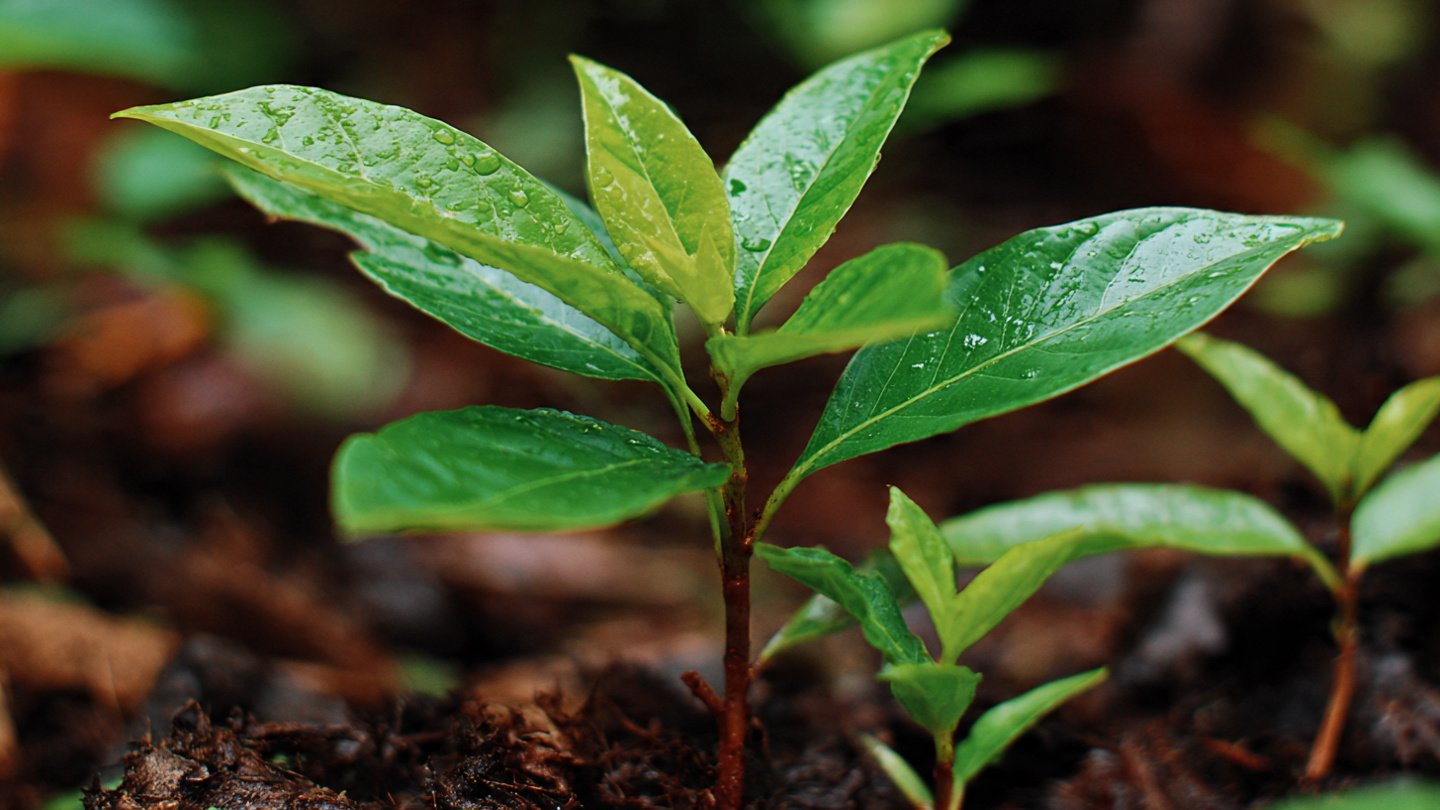
Cinnamon, widely cherished for its aromatic flavor and health benefits, has carved a niche in the realm of gardening, especially in safeguarding young seedlings. This humble spice, derived from the bark of Cinnamomum trees, possesses unique properties that are highly beneficial for your baby plants. In this article, we’ll delve into the ways cinnamon can protect seedlings, its benefits, and best practices for application.
The Various Benefits of Cinnamon for Seedlings
Cinnamon is more than just a delicious addition to your baked goods. It offers numerous advantages for young plants:
1. Natural Fungicide
One of the most notable features of cinnamon is its potent antifungal properties. When young seedlings are planted, they’re often susceptible to fungal infections that can inhibit their growth or even kill them. Cinnamon can help combat these fungi, particularly Fusarium and Rhizoctonia, which are common adversaries for seedlings.
2. Root Development Booster
Add a pinch of cinnamon to your potting medium, and you might be surprised to learn that it can stimulate root growth. The natural compounds found in cinnamon encourage stronger roots, allowing seedlings to absorb nutrients and water more effectively.
3. Pest Deterrent
Cinnamon can also act as a natural deterrent for pests, such as ants and certain insects. Its strong scent confuses and repels pests, creating a more favorable environment for your seedlings to thrive.
4. Antioxidant Properties
Rich in antioxidants, cinnamon can help seedlings fight off oxidative stress. This is particularly beneficial when they are exposed to unfavorable conditions, allowing them to grow more resilient over time.
How to Use Cinnamon for Your Seedlings
Now that we’ve explored the benefits, let’s look at how to effectively utilize cinnamon in your gardening practices to protect your young seedlings.
1. Cinnamon Powder for Soil Amending
Before planting your seeds, mix a small amount of cinnamon powder into the soil. This not only helps to prevent fungal growth but also strengthens the soil’s microbial balance. A general guideline is to use one teaspoon of cinnamon powder for every quart of potting mix.
2. Cinnamon Paste for Seedling Treatment
If your seedlings are already showing signs of fungal issues, you can create a cinnamon paste. Mix 1 tablespoon of cinnamon with a few drops of water to create a thick paste. Apply this directly to the affected areas of the seedlings with a cotton swab. Ensure that you don’t apply too much, as excessive moisture can further the problem.
3. Cinnamon Tea for Watering
An alternative method is to brew cinnamon tea. Boil a few sticks of cinnamon in water and let it cool. Use this tea to water your seedlings, giving them a gentle boost. This can help prevent fungal issues and provide nutrients directly to the roots.
Best Practices for Using Cinnamon
While cinnamon is generally safe for your seedlings, it’s essential to use it wisely to minimize any potential risks. Here are some best practices to consider:
1. Moderation is Key
While cinnamon can offer various benefits, too much can be detrimental. Always stick to recommended amounts to avoid overwhelming your seedlings.
2. Monitor Seedling Conditions
Keep an eye on your seedlings after application. If you notice any adverse reactions, such as wilting or discoloration, discontinue use and reassess the situation.
3. Combine with Other Organic Practices
For best results, use cinnamon as part of an overall organic gardening strategy. Combine it with compost, organic fertilizers, and healthy watering practices to create an ideal environment.
Conclusion
Cinnamon is a versatile and beneficial addition to your gardening toolkit, especially when it comes to nurturing young seedlings. Its antifungal properties, ability to boost root development, pest-deterrent effects, and antioxidant properties make it a remarkable ally in the gardening process. By utilizing cinnamon correctly, you can create a healthier environment for your seedlings, ensuring they grow into strong and resilient plants. So, the next time you’re in the kitchen, consider reserving some of that cinnamon for your garden – your seedlings will thank you!
Frequently Asked Questions (FAQs)
1. Can I use cinnamon on established plants?
Yes, cinnamon can be used on established plants, but it’s most beneficial for seedlings. Just be cautious about how much you use, as excessive amounts might harm older plants.
2. Is there any risk of using cinnamon on seedlings?
While cinnamon is generally safe, using too much can lead to moisture retention issues and potentially harm the seedlings. Always use it in moderation.
3. How often should I apply cinnamon to my seedlings?
You can apply cinnamon once when planting your seedlings or when you notice any signs of fungal issues. Reapplication can be done as needed, but monitor the seedlings closely after each application.
4. Are there any other natural alternatives to cinnamon for seedlings?
Yes, other natural fungicides or deterrents include neem oil, diatomaceous earth, and baking soda mixed with water. However, cinnamon is one of the most readily accessible and user-friendly options.
5. Where can I purchase cinnamon for gardening purposes?
Cinnamon can be found in any grocery store, health food store, or online. Make sure to buy pure cinnamon without additives for the best results in gardening.