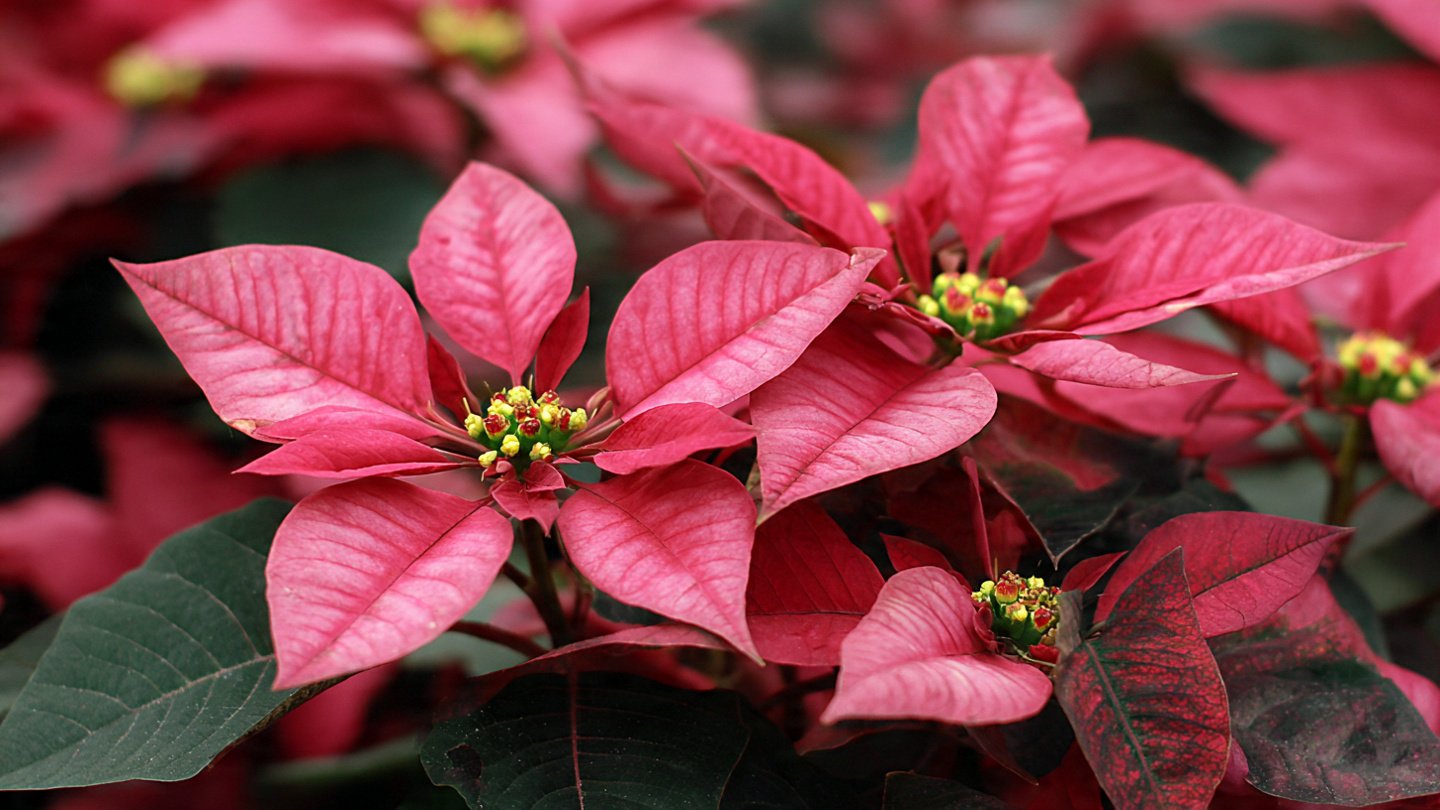
Poinsettias are an iconic symbol of the holiday season, often gracing our homes with their vibrant colors and festive appeal. While most people expect these beautiful plants to wilt soon after the holidays, there are several hidden tips and tricks that can help you keep your poinsettias thriving long after Christmas. In this article, we’ll explore the intricate care, environmental conditions, and seasonal strategies that can prolong the life of your poinsettias well into the spring and even beyond.
Understanding Poinsettia Care
To care for your poinsettias effectively, it is important to understand the plant’s natural habitat and specific needs. Native to Mexico, these plants thrive in warm, tropical environments, which means replicating these conditions at home is crucial for their longevity.
1. Optimal Watering Techniques
Watering is perhaps the most critical aspect of poinsettia care. Here are some hidden tips:
- Check Soil Moisture: Before watering, always check if the top inch of soil is dry. Overwatering can lead to root rot, while underwatering leads to wilting.
- Use Room-Temperature Water: Cold water can shock the roots. Always use water that is at room temperature.
- Ensure Good Drainage: Make sure your pot has drainage holes to prevent water from pooling at the bottom, which is detrimental to the plant’s health.
2. Ideal Lighting Conditions
Poinsettias require adequate light to flourish:
- Avoid Direct Sunlight: Direct sunlight can scorch the leaves; place your poinsettias in bright, indirect light instead.
- Provide at Least 6 Hours of Light: These plants need about 6 hours of light daily for optimal growth.
- Rotate the Plant: If one side gets more light, rotate the plant weekly to ensure even growth.
3. Temperature and Humidity Preferences
Poinsettias thrive in specific temperature ranges:
- Maintain a Warm Environment: Keep your poinsettias in a location that stays between 65°F and 70°F.
- Avoid Drafts: Keep them away from doors, windows, and air vents to avoid cold drafts that can stress the plant.
- Increase Humidity: If possible, use a room humidifier, or place a tray of water near the plant to maintain humidity levels.
Seasonal Care Tips
Every season brings its own set of challenges and opportunities for caring for poinsettias.
4. Post-Christmas Care
After the holiday season, your poinsettias may start to lose color. Here’s how to keep them vibrant:
- Pruning: Once the bracts (colored leaves) start to fade, trim the stems back to about 4-6 inches. This encourages new growth.
- Fertilize: Use a balanced fertilizer every 4-6 weeks during the growing season (spring and summer) to provide essential nutrients.
5. Repotting
If your poinsettia has outgrown its pot, repotting can help:
- Choose the Right Time: The best time to repot is in the spring, after the danger of frost has passed.
- Use a Quality Mix: Opt for a well-draining potting soil to ensure healthy root growth.
6. Encouraging Bract Coloration
To encourage those vibrant red or pink bracts to shine:
- Control Light Exposure: After the summer, starting in late September, ensure the plant receives 14 hours of darkness each night for about 6 weeks to trigger this coloration process.
- Monitor Temperature Changes: Maintaining consistent temperatures will also support the re-blooming process.
Conclusion
By following these hidden tips for watering, lighting, temperature, and seasonal care, you can keep your poinsettias vibrant and healthy long after Christmas has passed. It’s all about mimicking their native environment and providing the right care. From understanding their unique water and light needs to the importance of seasonal care practices like pruning and repotting, a little knowledge and effort can go a long way in maintaining the beauty of these festive plants.
FAQs
1. How long can poinsettias last?
With proper care, poinsettias can last several months, and in some cases, even up to a year or more. Their lifespan largely depends on growing conditions and care practices.
2. Can I keep my poinsettia outdoors?
While poinsettias prefer indoor conditions, you can place them outdoors during warm, sunny days in the spring and summer months, but be sure to bring them back indoors if the temperature drops below 60°F.
3. Are poinsettias poisonous to pets?
Poinsettias are mildly toxic to pets if ingested, causing irritation of the mouth and stomach. However, the risk is relatively low. It is still wise to keep these plants out of reach of pets.
4. How often should I fertilize my poinsettia?
Fertilize your poinsettia every 4-6 weeks during the growing season, typically in spring and summer. Avoid fertilizing during the fall and winter months.
5. What should I do if my poinsettia starts dropping leaves?
Leaf drop can be caused by several factors, including underwatering, overwatering, or sudden temperature changes. Check the plant’s soil moisture, light exposure, and environmental conditions to diagnose and rectify the issue.