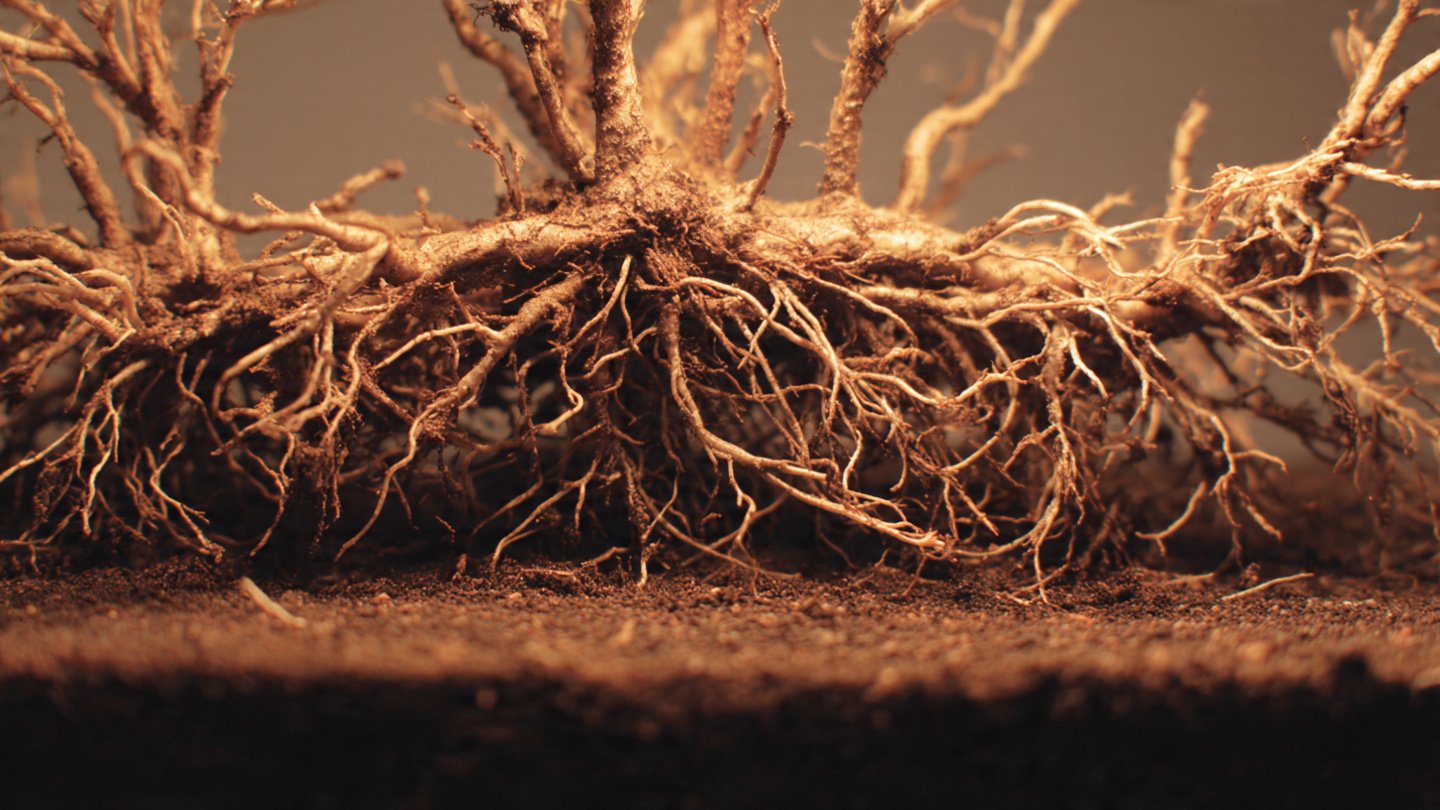
Root growth is critical for the overall health of plants. It involves complex biological processes influenced by various factors, including soil conditions, nutrient availability, and environmental factors. Among these, the angle at which a plant is cut, whether during propagation or pruning, surprisingly plays a significant role in determining root development.
The Basis of Root Growth
Roots serve as the anchor for plants, absorbing water and nutrients essential for growth. The way roots grow and branch out is influenced by various internal and external factors, including:
- Genetics: Different species have different root growth patterns.
- Environmental Conditions: Soil quality, moisture, and temperature directly influence root health.
- Water Availability: Roots are thirsty! Thirsty roots drive deeper growth.
How Cutting Angle Influences Root Growth
When cutting a plant, the angle of the cut can affect how well the plant responds in terms of root development. The reasons behind this are multifaceted:
1. Surface Area and Water Absorption
The angle of a cut can influence the surface area exposed to moisture and nutrients in the soil. A steep angle tends to create a larger surface area, which can aid in water absorption. Conversely, a shallow angle may limit water intake, affecting the overall health of new roots. This geometry affects:
- Evaporation Rates: A broader surface may lose moisture faster if not protected.
- Contact with Soil: The angle impacts the rooting zone’s contact with the surrounding soil.
2. Hormonal Responses
Plants release hormones like auxins and cytokinins, which play major roles in root formation. The angle of the cut can alter the distribution of these hormones within the plant. A cut that is steep may generate a different hormonal response than a shallow cut:
- Auxins: These hormones promote root growth and are distributed unevenly based on the cut angle.
- Cytokinins: These can also be influenced, affecting overall growth.
3. Tissue Regeneration
The type of cut influences how quickly and effectively a plant can heal itself. A clean cut at an optimal angle can lead to faster callous formation and new root growth. Conversely, jagged cuts or inappropriate angles can lead to:
- Infection Risks: Poorly executed cuts may expose the plant to pathogens.
- Delayed Regeneration: The healing process may take longer, inhibiting root development.
Unexpected Outcomes of Cutting Angle
While one might think the relationship between cutting angle and root growth is straightforward, the outcomes can be unexpected. Some findings include:
1. Varietal Differences
Different plants respond uniquely to cutting angles. For example, hardwood cuttings like willow may thrive at one angle, while softwood cuttings like lavender may do better at another. Understanding these variances is crucial for successful propagation.
2. Seasonal Influences
Cutting angles may provide varying results depending on the season. For instance, a steep cut in early spring might yield better root growth compared to the same cut made in late summer due to the differences in plant vigor and hormonal activity throughout the growing season.
3. Stress Responses
Plants under stress, whether due to drought, pests, or disease, may respond unpredictably to cutting angles. What appears to be a detrimental cut in a stressed plant can lead to vigorous root responses that would otherwise not occur in healthy plants.
Practical Considerations for Gardeners
Understanding the impact of cutting angle on root growth can significantly enhance gardening practices. Here are some tips for gardeners:
- Use Sharp Tools: Clean, sharp cuts at an optimal angle minimize damage.
- Observe Plant Health: Tailor cutting angles based on the plant and its condition.
- Experiment Gradually: Test different cutting angles in small batches to find the best results.
Conclusion
In conclusion, the cutting angle of a plant has profound effects on its root growth, often leading to unexpected outcomes. Understanding these dynamics allows us to harness the relationship between cut angles and root health, optimizing propagation and care techniques. By being mindful of the angle at which we cut and the biological responses it elicits, gardeners and horticulturists can enhance plant resilience and growth significantly.
FAQs
Q: Does the type of plant affect how cutting angle impacts root growth?
A: Yes, different species respond uniquely to cutting angles. It’s essential to research specific plants.
Q: What is the best cutting angle for most plants?
A: Generally, a 45-degree angle is often recommended as it strikes a balance between maximizing surface area and minimizing stress to the plant.
Q: How can I ensure a clean cut when propagating plants?
A: Use sharp, sterilized tools to make clean cuts, which reduce the risk of infection and promote better healing.
Q: Can cutting angle influence the amount of root produced?
A: Yes, the angle can affect hormonal distribution and surface area, impacting how much root mass develops.
Q: Is there a specific time of year that cutting angles are more effective?
A: Optimal cutting angles can vary throughout the seasons; spring is typically the best time as plants are more vigorous and responsive to cuts.