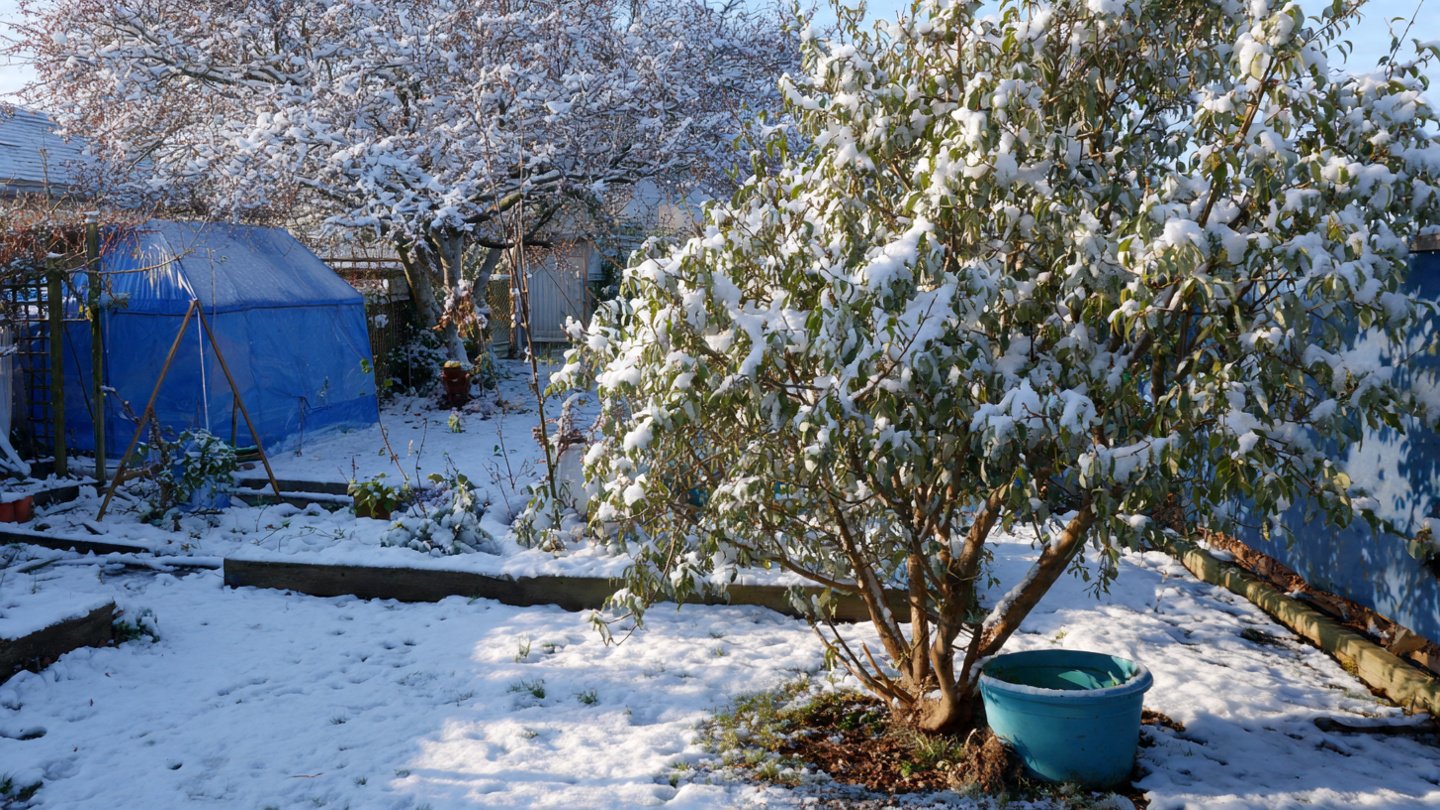
As winter approaches, fruit trees, particularly those in temperate climates, can face significant challenges due to plummeting temperatures and harsh weather conditions. To protect these valuable assets, many gardeners and orchardists consider using winter blankets among other protective measures. But what exactly are winter blankets, and how can they save your fruit trees from the cold? This article will explore the benefits of winter blankets, how to use them effectively, and the alternative methods available for cold protection.
Understanding Winter Blankets
Winter blankets, sometimes referred to as plant covers or frost cloths, are specially designed protective materials that help shield plants from freezing temperatures. They are typically made from lightweight, breathable fabric, which allows air and moisture to pass through while providing insulation against the cold.
Types of Winter Blankets
- Fleece Covers: These are soft and lightweight, providing excellent insulation. They are effective in trapping warmth while allowing light and moisture penetration.
- Row Covers: Made from spun-bonded polypropylene, these covers are often used in commercial gardening. They come in different weights, suitable for varying levels of cold protection.
- Thermal Blankets: These are thicker and often used in more extreme weather conditions. They can provide a higher degree of insulation for particularly sensitive plants.
Benefits of Using Winter Blankets for Fruit Trees
Winter blankets provide several advantages when it comes to protecting fruit trees during the cold months:
1. Temperature Regulation
Winter blankets help maintain a more consistent temperature around the fruit tree. By trapping heat during the day and preventing the rapid loss of warmth at night, these blankets can create a microclimate conducive to the tree’s survival.
2. Frost Protection
Frost can be particularly damaging to fruit buds and blossoms. Winter blankets act as a barrier against frost, protecting sensitive areas of the tree from damage. The fabric allows moisture to escape, preventing the buildup of humidity that could result in mold or mildew.
3. Wind Resistance
Strong winds can exacerbate the effects of cold weather by increasing the chill factor. A winter blanket provides a windbreak, reducing the potential for wind-related stress on the tree.
4. Reduced Sun Scald
In winter, fluctuating temperatures can lead to conditions known as sun scald, where the sun’s rays cause tissue damage to the bark. Using a blanket reflects harmful rays and helps keep the bark at a consistent temperature.
How to Use Winter Blankets Effectively
Using winter blankets requires careful consideration and proper technique for maximum effectiveness:
1. Timing
Cover your trees before the onset of severe weather. Ideally, blankets should be in place before the first freeze. Keep an eye on the weather forecast and act accordingly.
2. Proper Covering
Ensure the blanket drapes over the entire tree, covering all exposed branches and buds. Use stakes or weights to keep the fabric from blowing away, but avoid placing the material tightly against the tree to prevent moisture accumulation.
3. Daily Monitoring
Check the trees daily during winter. On warm winter days, the temperature beneath the blanket may rise, leading to potential overheating. Remove or loosen the blanket during the day and replace it at night as temperatures drop.
4. Securing the Base
Providing proper ventilation is crucial. Make sure the base of the blanket is secured but not tightly, allowing airflow to prevent excessive humidity build-up, which can harm the tree.
Alternative Methods for Cold Protection
While winter blankets are effective, there are other methods to protect fruit trees during winter:
1. Mulching
Applying a thick layer of mulch around the base of the tree can help regulate soil temperature, sustaining roots and providing insulation against extreme cold.
2. Tree Wraps
Specialized tree wraps are used to protect the trunks of young trees from frost and sunscald. These wraps are often made of materials that allow the trunk to breathe while providing insulation.
3. Watering
Keeping trees hydrated before winter sets in can improve their resilience to cold. Well-hydrated trees are less stressed and more capable of handling temperature fluctuations.
4. Selecting Hardy Varieties
Planting fruit tree varieties that are naturally cold-hardy can make a significant difference. Research the hardiness zones of different species to select types most suitable for your climate.
Conclusion
Protecting fruit trees during the cold months is crucial for their survival and health. A winter blanket is a simple yet effective solution to shield these vulnerable plants from frost, extreme temperatures, and damaging winds. By understanding the types of blankets available, how to use them effectively, and considering alternative protection methods, you can ensure your fruit trees thrive even in the harshest winter conditions. Remember, the right preparation can yield a bountiful harvest when spring arrives.
FAQs
Q1: When should I put a winter blanket on my fruit trees?
A1: Ideally, you should cover your fruit trees before the first freeze is forecasted, typically in late fall or early winter.
Q2: Can I use any type of blanket to cover my trees?
A2: It’s best to use breathable materials designed for plant protection, such as fleece covers or specialized frost cloths, to prevent moisture buildup and ensure proper airflow.
Q3: How often should I check on my fruit trees covered with blankets?
A3: You should monitor your trees daily during winter, especially after significant weather changes, removing or adjusting the blanket as needed to prevent overheating.
Q4: Are there any drawbacks to using winter blankets?
A4: If not monitored properly, winter blankets can lead to overheating on warmer days or moisture accumulation, which can stress the trees. Proper management is key.
Q5: Is mulching a good alternative to using blankets for winter protection?
A5: Yes, mulching can be an effective method to insulate the soil and roots, helping to maintain a more stable temperature. It can be used in conjunction with winter blankets for added protection.