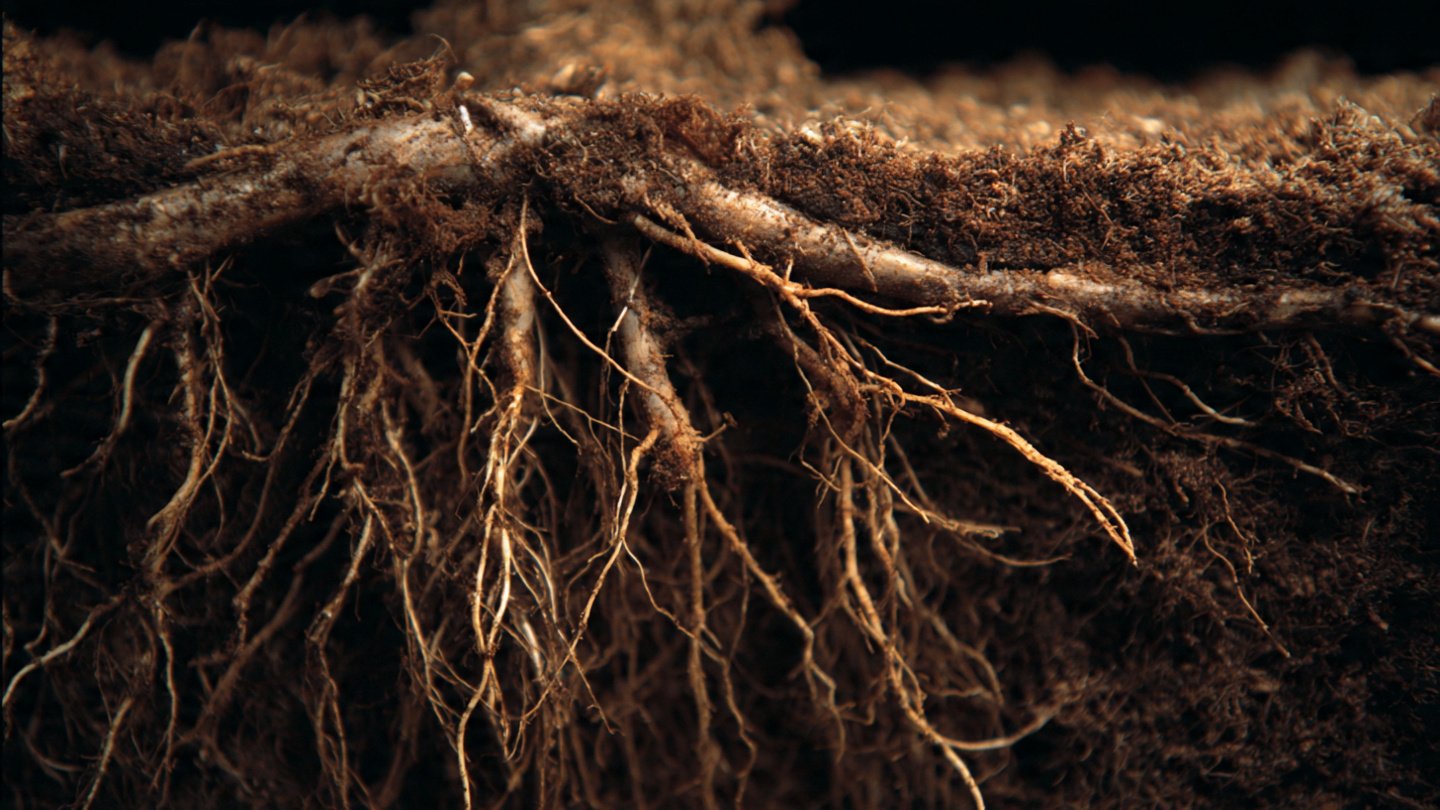
The relationship between the cutting angle of a plant’s stem and its subsequent root growth is a captivating subject in botany. Traditionally, we perceive root growth as primarily influenced by factors like soil quality, water availability, and genetic predisposition. However, recent studies suggest that the angle at which a plant is cut can lead to unexpected changes in root development, possibly impacting the overall health and survival of the plant. This article explores the underlying mechanisms that explain this phenomenon and highlights its implications for horticulture and agriculture.
Understanding Plant Growth
Plants exhibit a remarkable ability to adapt to their environment through growth patterns and root formation. This adaptability relies on various environmental cues, including the angle of cutting. When a stem is cut, the plant expends energy to heal the wound and redirect its resources. The cutting angle may influence this process significantly, leading to variations in root growth.
The Role of Auxins in Root Development
Auxins are plant hormones that play a pivotal role in regulating growth and development. They influence various processes such as cell elongation, root development, and responses to environmental stimuli. When a plant’s stem is cut, the distribution of auxins changes. Typically, auxin concentrations are higher on the side opposite the cut. This differential concentration can lead to asymmetrical growth responses, resulting in varied root development based on the cutting angle.
Cutting Angle and Its Influence on Auxin Distribution
The angle at which a stem is cut affects how auxins redistribute in the plant. For instance, a diagonal cut may cause more significant differences in auxin concentration compared to a straight cut. Here are a few key points regarding this relationship:
- Vertical Cuts: These cuts can lead to a more uniform auxin distribution, potentially resulting in symmetric root growth.
- Diagonal Cuts: Diagonal cuts can create a higher contrast in auxin levels, prompting more extensive root systems on one side.
- Steep Cuts: Cuts at steep angles might lead to dramatic shifts in auxin concentration, influencing root growth patterns in unpredictable ways.
The Physiological Responses Triggered by Cutting Angles
The angle at which a plant is cut triggers a series of physiological responses that ultimately affect root growth. Understanding these responses can help explain the unexpected outcomes associated with different cutting angles:
- Wound Healing: The wound created by cutting triggers a healing process that requires energy. The manner in which this process unfolds can be influenced by the cutting angle. For example, a steeper angle might lead to more complicated healing processes, which can reallocate resources and affect root development.
- Resource Allocation: Energy and resources need to be efficiently allocated to achieve optimal healing and root development. If a plant perceives a greater risk or injury due to the cutting angle, it may divert more resources towards healing and less towards root growth.
- Root Adaptation: Plants can adapt their root systems based on initial growth signals. The cutting angle could introduce a change in environmental context that leads to unexpected root growth patterns, as plants try to optimize their nutrient and water uptake.
Real-world Applications
The insights gained from understanding how cutting angles affect root growth have significant implications for horticulture and agriculture. Here are some practical applications:
- Propagation Techniques: Nurseries and garden centers can refine their propagation methods by experimenting with different cutting angles, enhancing root development in cuttings.
- Crop Management: Farmers might optimize cutting techniques for crops to promote healthier root systems, ultimately leading to better yields.
- Pest and Disease Resistance: Stronger root systems might enhance a plant’s resistance to pests and diseases, reducing the need for chemical interventions.
Case Studies
Several studies have been conducted to analyze the impact of cutting angles on root growth. One significant study involved cuttings of multifloral roses, demonstrating that diagonal cuts led to a 15% increase in root mass compared to vertical cuts. Similarly, experiments with tomato plants showed that a 45-degree cut resulted in a more extensive root network, improving drought resistance.
Conclusion
Understanding the influence of cutting angle on root growth reveals a complex interplay among physiological processes, hormonal responses, and environmental conditions. The unexpected variations in root development based on the angle of cutting underscore the plant’s adaptive capabilities. As we continue to uncover the intricacies of plant growth, these findings can be essential not only for horticulture and agriculture but also for enhancing ecosystem resilience in the face of environmental changes. Whether for professional agriculture or home gardening, the cutting angle presents a simple yet powerful variable to optimize plant health and growth.
FAQs
1. Does the cutting angle affect all types of plants equally?
No, the impact of cutting angle can vary significantly among different species and even cultivars within the same species. Each plant has its unique growth patterns and hormone responses.
2. What cutting angle is generally recommended for optimal root growth?
A 45-degree angle is often recommended, as it promotes efficient auxin distribution while allowing for effective wound healing. However, experimenting with different angles can yield varying results depending on the species.
3. Can cutting angle be combined with other propagation techniques?
Absolutely! The cutting angle can be combined with other techniques, such as using rooting hormones or selecting healthy stems, to enhance propagation success.
4. How does environmental context influence the outcomes of different cutting angles?
Environmental factors such as soil moisture, light levels, and nutrient availability can interact with the effects of cutting angle, leading to different root development outcomes.
5. Are there any other factors that influence root growth aside from cutting angle?
Yes, factors such as soil composition, temperature, water availability, and plant species significantly affect root growth and development.