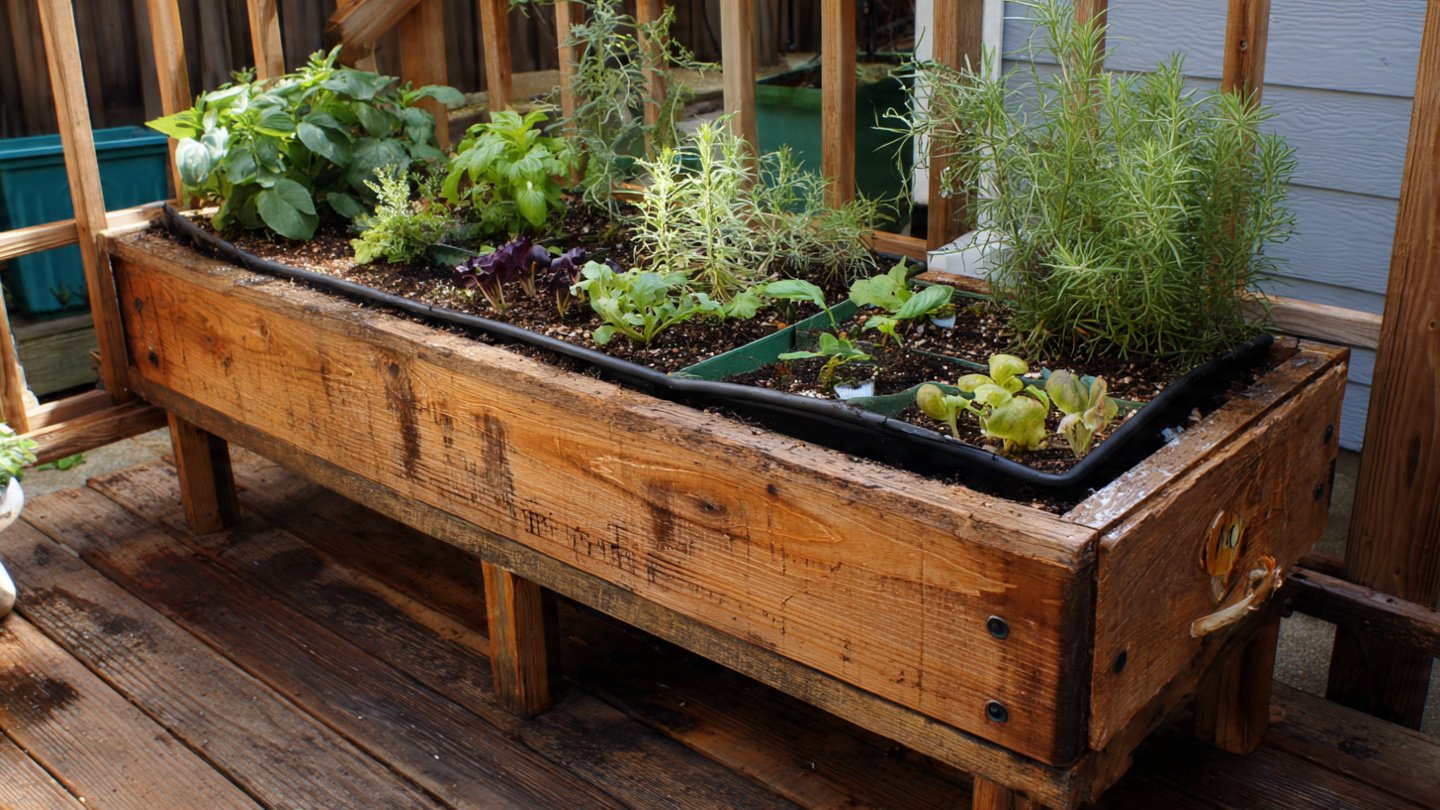
Gardening is a rewarding hobby, but it can be labor-intensive, especially when it comes to watering your plants regularly. One innovative solution to this problem is the self-watering garden bed. In this article, we will delve into how you can create a self-watering garden bed for under five dollars, making it an attractive option for budget-conscious gardeners who want to simplify their gardening routine.
Understanding Self-Watering Garden Beds
Self-watering garden beds work on the principle of capillary action, where plants draw water from a reservoir below their roots. This setup not only ensures that plants get the water they require but also reduces the frequency of watering, allowing for a more hands-off approach to gardening.
Materials Needed
Creating a self-watering garden bed on a budget involves using readily available materials, many of which you may already have at home. Here’s a list of the materials required:
- Plastic storage container: A large plastic tub or storage container will serve as our main reservoir. Check to ensure it has a lid and is at least 5 gallons in capacity.
- Old towel or cotton fabric: This material will act as a wick to transport water to the soil above.
- Potting soil: A quality potting mix is essential for growing healthy plants.
- Plants or seeds: Choose low-maintenance plants or your favorite vegetables.
- Drill (optional): If your container doesn’t have drainage holes, you’ll need to make some.
- Small stones or gravel: To help with drainage in the reservoir.
Steps to Build a Self-Watering Garden Bed
Step 1: Prepare the Container
Begin by taking your plastic storage container and drilling a few small holes into the lid. This will allow air circulation while keeping pests out. If your container does not come with drainage holes, make a few at the bottom to ensure excess water can escape. The ideal size is about 1-2 inches in diameter to maintain proper drainage.
Step 2: Create the Reservoir
Once your container is ready, you’ll need to create a reservoir for the water. Start by adding a layer of small stones or gravel at the bottom. This will help facilitate drainage and prevent soil from washing away, keeping the water in the reservoir separate from the soil.
Step 3: Add the Wick
Take your old towel or cotton fabric and cut it into strips about 2-3 inches wide. Place one end of the strip into the water reservoir, ensuring that it rests among the stones. The other end should extend upward into the potting soil later on. This wick will draw water from the reservoir up to the plant roots.
Step 4: Fill with Soil
Carefully add your potting soil, making sure to keep the wick in place. Fill the container almost to the top, allowing some space for your plants or seeds. Be cautious to not displace the wick too much as you layer on the soil.
Step 5: Plant Your Seeds or Transplants
Now it’s time to plant! Choose the plants or seeds you prefer, making slight indents in the soil where you want them to go. Cover them gently with soil, ensuring the wick remains in the correct position to deliver moisture.
Step 6: Add Water
Fill the reservoir with water until the bottom is adequately filled. You won’t need to water the topsoil immediately, as the wick will transfer water from below. Monitor the water level periodically, and refill as necessary to keep the reservoir filled.
Step 7: Maintenance Tips
Maintaining a self-watering garden bed is relatively easy:
- Check the water level in the reservoir every few days, especially during hot weather.
- Observe the plants as they grow; if they show signs of wilting, it may be time to refill the reservoir.
- Periodically clean the reservoir to prevent algae build-up or sediment formation.
The Benefits of a Self-Watering Garden Bed
Self-watering garden beds provide numerous advantages for gardeners:
- Water Efficiency: They utilize less water than traditional watering methods by minimizing evaporation and runoff.
- Time-Saving: With less frequent watering required, gardeners can spend more time enjoying their plants and less time maintaining them.
- Improved Plant Health: Steady hydration encourages healthier, more robust plant growth.
Conclusion
Creating a self-watering garden bed for under five dollars is not only feasible, but it is also a fun DIY project that can significantly enhance your gardening experience. By utilizing simple materials and understanding the basic principles of gardening, you can implement a method that simplifies your routine while ensuring robust plant growth. Embrace this innovative approach, and watch your garden thrive with minimal effort!
FAQs
Can I use any type of container for a self-watering garden bed?
Yes, you can use various types of containers as long as they have a lid and can hold enough water. However, ensure they are food-safe if you plan to grow edible plants.
How often should I refill the water reservoir?
The frequency of refilling depends on the weather and the type of plants you have. Generally, check the reservoir every few days, particularly in warm weather.
Can I grow vegetables in a self-watering garden bed?
Absolutely! Self-watering systems work well for vegetables, herbs, and flowers alike. Just ensure you select plants that have similar water needs.
Do self-watering garden beds require additional fertilization?
Yes, while self-watering systems provide consistent moisture, plants might still need fertilization. Consider using a balanced fertilizer appropriate for your chosen plants.
Is a self-watering garden bed a good option for beginners?
Definitely! Self-watering beds are an excellent option for novice gardeners. They reduce the frequency of watering while helping ensure that plants receive a consistent water supply, which can be an essential factor for success in gardening.