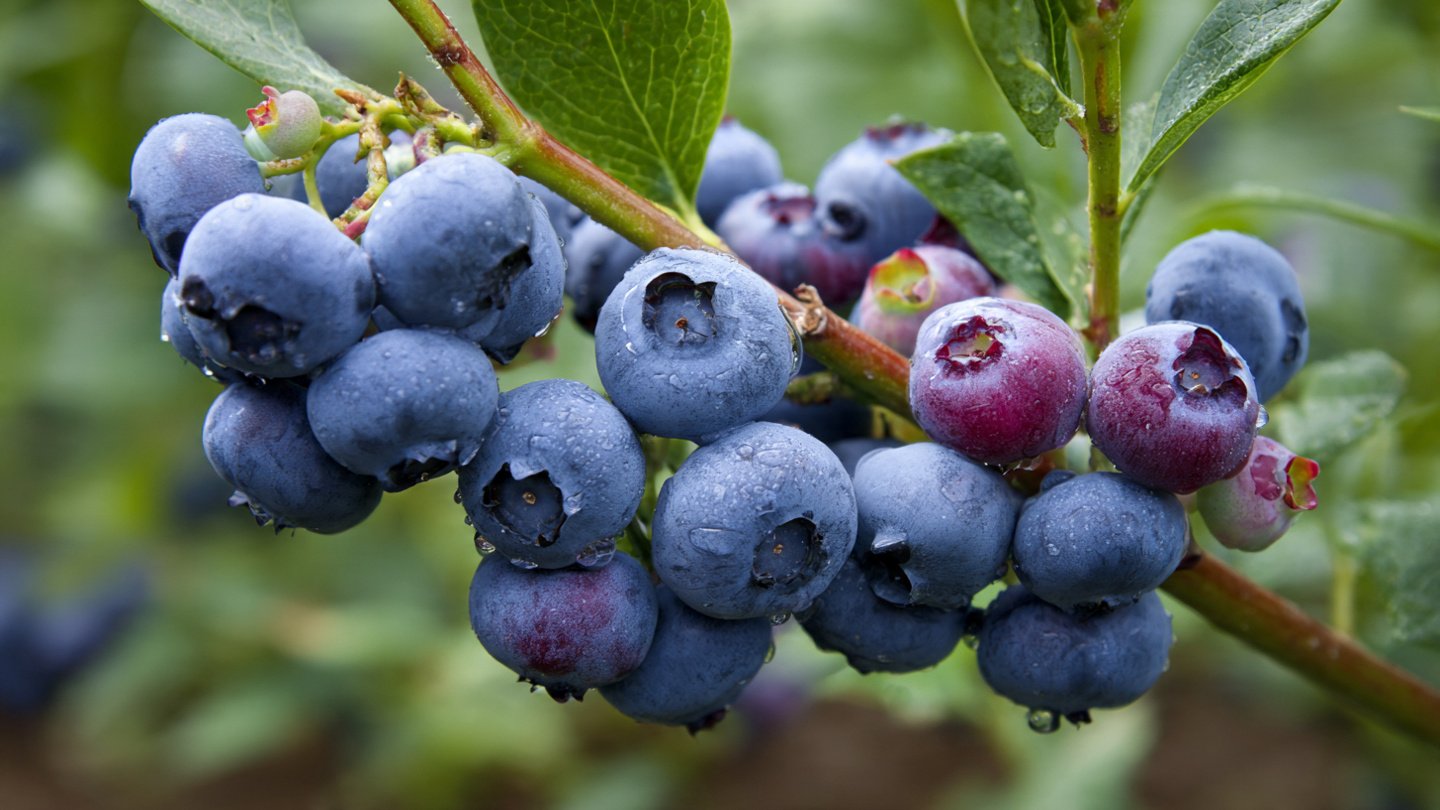
Blueberries are beloved for their vibrant color, sweet-tart flavor, and numerous health benefits. However, growing these delicious berries in alkaline soil presents unique challenges. With a pH level above 6.0, alkaline soil can hinder the nutrient uptake crucial for the healthy development of blueberry plants. Enter sulfur—a key element in unlocking the secrets to thriving blueberry cultivation in such conditions.
The Importance of Soil pH for Blueberries
Blueberries thrive best in acidic soil with a pH between 4.5 and 5.5. This range allows for optimal nutrient absorption, particularly for elements like iron and manganese, which are vital for healthy growth and fruit production. In alkaline soils, the availability of these nutrients diminishes, leading to deficiencies that can stunt growth, reduce yields, and even jeopardize plant health.
Understanding Sulfur and Its Role
Sulfur is an essential macronutrient that plays various roles in plant growth and development. As a critical component of amino acids and enzymes, sulfur is necessary for protein synthesis and photosynthesis. It also aids in the formation of chlorophyll, the green pigment crucial for absorbing sunlight.
In terms of acidifying the soil, sulfur has the ability to lower pH levels when it oxidizes to form sulfuric acid. This process can make alkaline soils more favorable for blueberries by increasing their acidity and enhancing nutrient availability.
How Sulfur Affects Alkaline Soil
Adding sulfur to alkaline soil can be a game-changer for blueberry farmers. Understanding the mechanics of how sulfur interacts with the soil can help growers improve their yield and the overall health of their plants.
1. Sulfur Application Methods
There are several methods to implement sulfur in the soil:
- Granular Sulfur: This slow-release form can be applied during soil preparation or as a top dressing.
- Sulfuric Acid: A concentrated solution that should be used with caution as it can lead to rapid pH decreases.
- Thiosulfate: Often used as a liquid fertilizer, this can be more efficient for quick pH adjustments.
2. Timing and Quantity
The timing of sulfur application is crucial. Ideally, it should be applied several months before planting to allow adequate time for the soil pH to stabilize. The amount of sulfur needed will depend on the initial pH level of the soil and the size of the planting area.
Benefits of Sulfur for Blueberry Plants
Using sulfur to adjust soil pH offers a range of benefits:
1. Improved Nutrient Uptake
When soil pH is optimized for blueberries, essential nutrients become more soluble and manageable for plant roots. This leads to enhanced growth and fruit production.
2. Enhanced Flavor Profile
Blueberries grown in well-balanced, acidic soils tend to develop richer flavors. The right pH levels contribute to the fruit’s sugar and acid content, making them taste better and more appealing.
3. Disease Resistance
Healthy blueberry plants are better resilient against diseases. Proper sulfur levels and soil pH can contribute to stronger plant immune systems, reducing the incidence of fungal and bacterial infections.
Potential Challenges and Considerations
While sulfur can unlock many benefits, there are challenges and considerations to keep in mind:
1. Over-Acidification
Excessive sulfur can lead to overly acidic soil, which is also detrimental to blueberries and can harm beneficial soil organisms. Regular soil testing is essential to monitor pH levels and make informed decisions on sulfur applications.
2. Environmental Factors
Local climate, soil type, and existing flora and fauna can affect how sulfur functions in the soil. Environmental conditions can alter sulfur’s effectiveness, necessitating adjustments to application methods and quantities.
Conclusion
Sulfur serves as a key element for thriving blueberry plants in alkaline soil. By effectively managing soil pH through sulfur application, growers can enhance nutrient uptake, promote healthier and more flavorful fruit, and strengthen disease resistance. As with all agricultural practices, careful monitoring and a balanced approach will yield the best results. With proper implementation, sulfur can transform the challenges posed by alkaline soil into thriving blueberry patches.
FAQs
1. How often should I apply sulfur to my soil?
The frequency of sulfur application depends on your soil’s pH and the amount of sulfur initially used. It’s recommended to test the soil pH at least once a year to determine if additional sulfur is necessary.
2. Can I use other soil amendments along with sulfur?
Yes, other amendments such as compost or organic fertilizers can be used in conjunction with sulfur. However, avoid using lime or any other alkaline amendments at the same time as sulfur to prevent counteracting effects.
3. What are the signs of sulfur deficiency in blueberry plants?
Symptoms may include yellowing leaves, poor growth, and reduced yield. If you notice these signs, soil testing is advised to determine whether sulfur or other nutrients are lacking.
4. Is it possible to grow blueberries in clay soil?
While clay soil poses challenges due to its heavy texture, it is still possible to grow blueberries by improving drainage and amending the soil with sulfur and organic materials to enhance acidity.
5. Can sulfur be harmful to other plants nearby?
Highly acidic soil conditions can be harmful to other plants not adapted to such environments. It is essential to apply sulfur only in areas designated for blueberries and monitor surrounding plants.