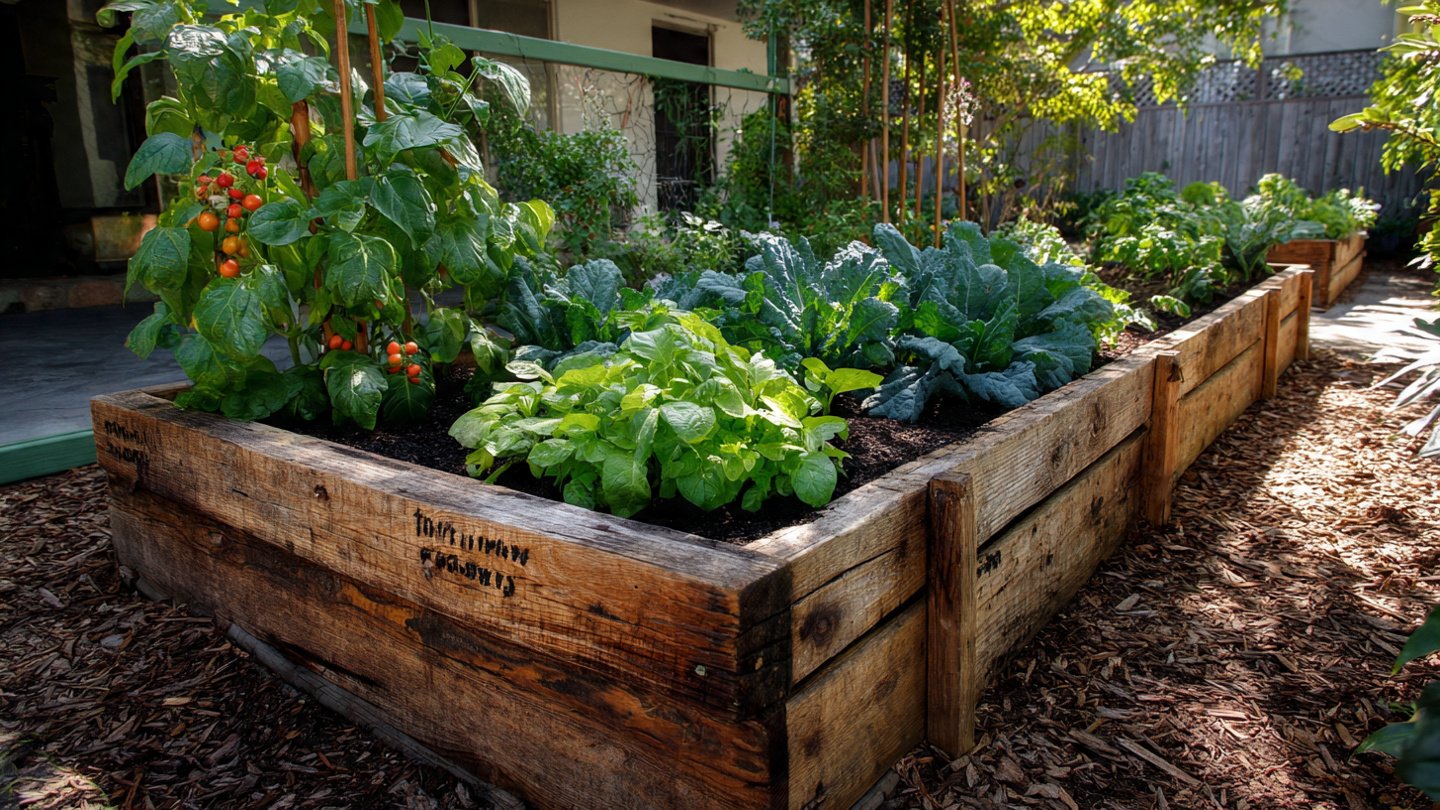
Creating a self-watering garden bed allows you to maintain healthy plants while conserving water and minimizing maintenance. Many gardeners are unaware that this can be achieved without breaking the bank. Here’s a simple guide to create a cost-effective self-watering system for under five dollars.
Understanding the Concept of Self-Watering Gardens
A self-watering garden is designed to provide a consistent water supply to plants through a built-in reservoir system. This setup ensures that plants receive the necessary hydration without frequent manual watering. The key elements of a self-watering system include:
- A water reservoir at the base
- A wicking system to deliver water to the soil
- Drainage holes to prevent over-saturation
Materials You Will Need
To create your self-watering garden bed, gather the following materials, ideally costing no more than five dollars total:
- A plastic container (e.g., a 5-gallon bucket or old storage bin—preferably free or around $1)
- Some kind of fabric (e.g., a piece of old t-shirt or non-woven landscape fabric—free if repurposed)
- Soil (you might need to buy some, generally under $3 for a small bag)
- Seeds or seedlings (can be inexpensive or grown from scraps)
- Drill or sharp tool (if you don’t have one already, often borrowed)
Step-by-Step Instructions
Step 1: Prepare the Container
Choose a suitable plastic container. If using a bucket, ensure it’s clean and has a lid. If using a bin, make sure it’s wide enough for your plants. Use a drill or a sharp object to create small drainage holes at the bottom of the container to prevent water from standing.
Step 2: Create the Wicking System
Cut a strip of your fabric about 5 inches wide and long enough to reach the base of your container, with some excess to hang out. This fabric will serve as the wick, drawing water from the reservoir below to the soil above. Insert one end into the drainage holes, ensuring that it touches the bottom of the container, while the other end remains above the soil layer.
Step 3: Add a Drainage Layer
Fill the bottom of your container with a layer of small stones or gravel (if available) to help with drainage. This layer prevents soil from clogging the drainage holes and allows water to flow freely toward the wicking system.
Step 4: Fill with Soil
Next, add potting soil on top of the drainage layer. Fill the container, leaving a few inches of space at the top for planting. Ensure that the wick remains positioned correctly to allow water to rise through the soil by creating a small hole in the soil for the wick.
Step 5: Plant Your Seeds or Seedlings
Now it’s time to plant! Choose your favorite vegetables, herbs, or flowers to fit your garden goals. Sow the seeds according to the package instructions or transplant seedlings gently into the soil.
Step 6: Water and Maintain
Before placing the container outside, water the soil thoroughly. The water will seep into the reservoir at the bottom and be absorbed by the wick. Once you place your self-watering garden bed in its location, check regularly and refill the water reservoir as needed through the top opening.
Additional Tips for Success
Here are some additional tips to maximize the success of your self-watering garden bed:
- Monitor your plants closely in the first few weeks to ensure they’re receiving adequate water.
- Adjust the wick’s length as needed for different plant species, as some plants may require more or less water.
- Be mindful of environmental conditions, as hot weather may require more frequent reservoir refills.
- Consider using a clear container to visually monitor water levels.
Conclusion
Creating a self-watering garden bed for under five dollars not only saves you money but also enhances your gardening experience. By ensuring that your plants are consistently watered, you can focus on other aspects of gardening, such as pest management and observing growth. This sustainable approach promotes healthier plants and reduces the stress of daily watering. With minimal investment and effort, you can create a thriving, self-sufficient garden environment. Happy gardening!
FAQs
1. Can I use any plastic container for my self-watering garden bed?
Yes, any plastic container that can hold soil and water will work, as long as it has drainage holes. Just make sure it’s large enough for your plants.
2. How often should I refill the water reservoir?
The frequency of refilling depends on weather conditions and the needs of your plants. Check the water level regularly, especially during hot weather.
3. Can I grow all types of plants in a self-watering garden bed?
Most plants will thrive in a self-watering system, but it’s essential to research specific plant water requirements, as some may need drier conditions.
4. What should I do if my plants are not growing well?
If your plants are not thriving, check for signs of overwatering or underwatering. Also, ensure that the wick is functioning properly and that your plants are getting enough sunlight.
5. Can I use this method for larger garden areas?
While this method works well for small containers, for larger garden areas, consider creating a more extensive irrigation system using similar principles or purchasing a rain barrel for larger water storage.