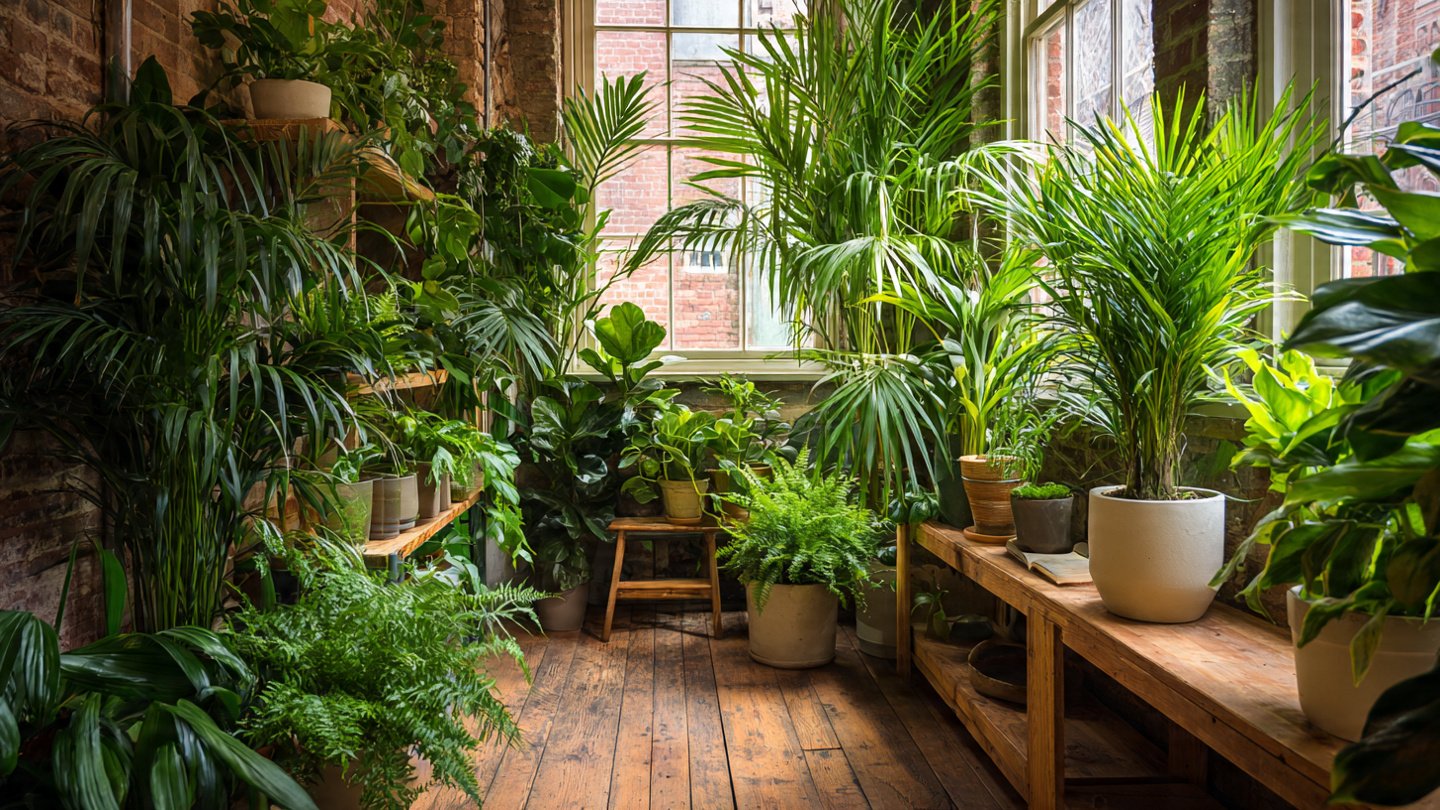
Spring is a time of renewal and growth—not just for the outdoors, but also for your indoor plants. As the days get longer and warmer, your indoor jungle craves attention and nourishment to thrive. Whether you’re a seasoned plant parent or a newbie, understanding how to properly care for your plants will yield a vibrant and lush indoor environment.
1. Assessing Light Conditions
Light is one of the most critical factors in determining the health of your plants. As the sunlight changes with the seasons, it’s important to assess whether your plants are receiving adequate light.
- East-facing windows: Great for morning sun, ideal for plants that prefer moderate light.
- South-facing windows: Receive the most sunlight throughout the day, suitable for sun-loving plants.
- West-facing windows: Provide strong afternoon sunlight, good for plants that can tolerate a bit of direct sun.
- North-facing windows: Generally provide lower light, better for shade-loving plants.
Consider moving your plants closer to windows or investing in grow lights if natural light is insufficient.
2. Watering Wisely
Overwatering is a common concern among indoor plant enthusiasts. Spring, however, is when many plants will begin to grow more actively and may need more water, but it’s essential to understand the watering needs of each plant type.
- Type of Plant: Different plants have varying water needs. Succulents and cacti require less frequent watering compared to ferns and tropical plants.
- Soil Moisture: Check the top inch of soil; if it’s dry, it’s time to water. If it’s still moist, wait.
- Watering Method: Water deeply and ensure excess moisture can drain out of the pot. This encourages strong root growth.
Using room-temperature water is preferable as it helps to avoid shocking the plant.
3. Fertilizing with Care
As your plants enter a growth phase, they will benefit from regular feeding. Choosing the right fertilizer and applying it correctly can make a significant difference.
- Type of Fertilizer: Choose a balanced, water-soluble fertilizer (like a 20-20-20 mix) for most indoor plants. For flowering plants, a fertilizer higher in phosphorus may be beneficial.
- Dilution is Key: Always dilute fertilizers to half strength to avoid burning the roots.
- Application Frequency: Fertilize every 4-6 weeks during the growing season, but always read the label for specific instructions.
4. Maintaining Humidity
Many indoor plants, especially tropical varieties, thrive in high humidity. As the air inside your home can often be dry, particularly in spring, boosting humidity levels is beneficial.
- Group Plants Together: This creates a microclimate and increases humidity levels.
- Use Pebble Trays: Fill trays with water and pebbles. Place plant pots on top of the pebbles, allowing evaporation to add humidity.
- Humidifiers: Employ a humidifier in the room, especially during dry months.
5. Pruning and Grooming
Pruning is essential for the health and appearance of your indoor plants. Regular clipping not only encourages new growth but also keeps plants tidy and prevents diseases.
- Dead or Yellow Leaves: Remove any dead or yellowing leaves to help the plant focus its energy on healthy growth.
- Encourage Airflow: Trim any overcrowded areas to promote airflow, reducing the risk of pest infestations.
- Shape the Plant: Regular grooming shapes the plant and encourages bushier growth.
6. Repotting When Necessary
If your plants seem to be struggling despite your best care, they may have outgrown their pots. Spring is an excellent time to repot.
- Signs of Being Root-Bound: If roots are growing through drainage holes or the plant is top-heavy, it’s time to repot.
- Choose the Right Pot: Opt for a pot that is one size larger with good drainage holes.
- Use Fresh Soil: Repotting with fresh potting mix will provide nutrients and good drainage.
7. Pest Management
As the weather warms, pests tend to emerge. Being vigilant can prevent infestations from damaging your indoor jungle.
- Regular Inspections: Check the undersides of leaves and stems for signs of pests like aphids and spider mites.
- Natural Remedies: Neem oil and insecticidal soap are excellent organic options for managing pests without chemical exposure.
- Isolation: If you find a plant with pests, isolate it immediately to prevent the spread.
Conclusion
This spring, as you nourish your indoor jungle, remember that attentive care will lead to vibrant plants that enhance your living space. From understanding your plants’ light and watering needs to maintaining humidity and managing pests, each step taken in nurturing your indoor garden contributes to a flourishing environment. Keep experimenting and learning—your plants will thrive, and you’ll enjoy the beauty they bring to your home.
FAQs
1. How often should I water my indoor plants in spring?
The frequency of watering depends on the type of plant. Generally, check the top inch of soil; if it’s dry, it’s time to water. Many plants may need water every 1-2 weeks in spring.
2. Can I use regular garden soil for indoor plants?
It’s best to use a potting mix designed for indoor plants. Regular garden soil can compact and hinder drainage, which can negatively affect root health.
3. What are the signs my plant needs repotting?
Signs include roots growing through drainage holes, the plant becoming top-heavy, or stunted growth despite regular care.
4. How can I increase humidity for my plants?
Group plants together, use pebble trays with water, or invest in a humidifier to maintain higher moisture levels in the air.
5. What should I do if I find pests on my plants?
Inspect your plants regularly, and if you find pests, isolate the affected plant. Use natural remedies like neem oil or insecticidal soap to treat the infestation.