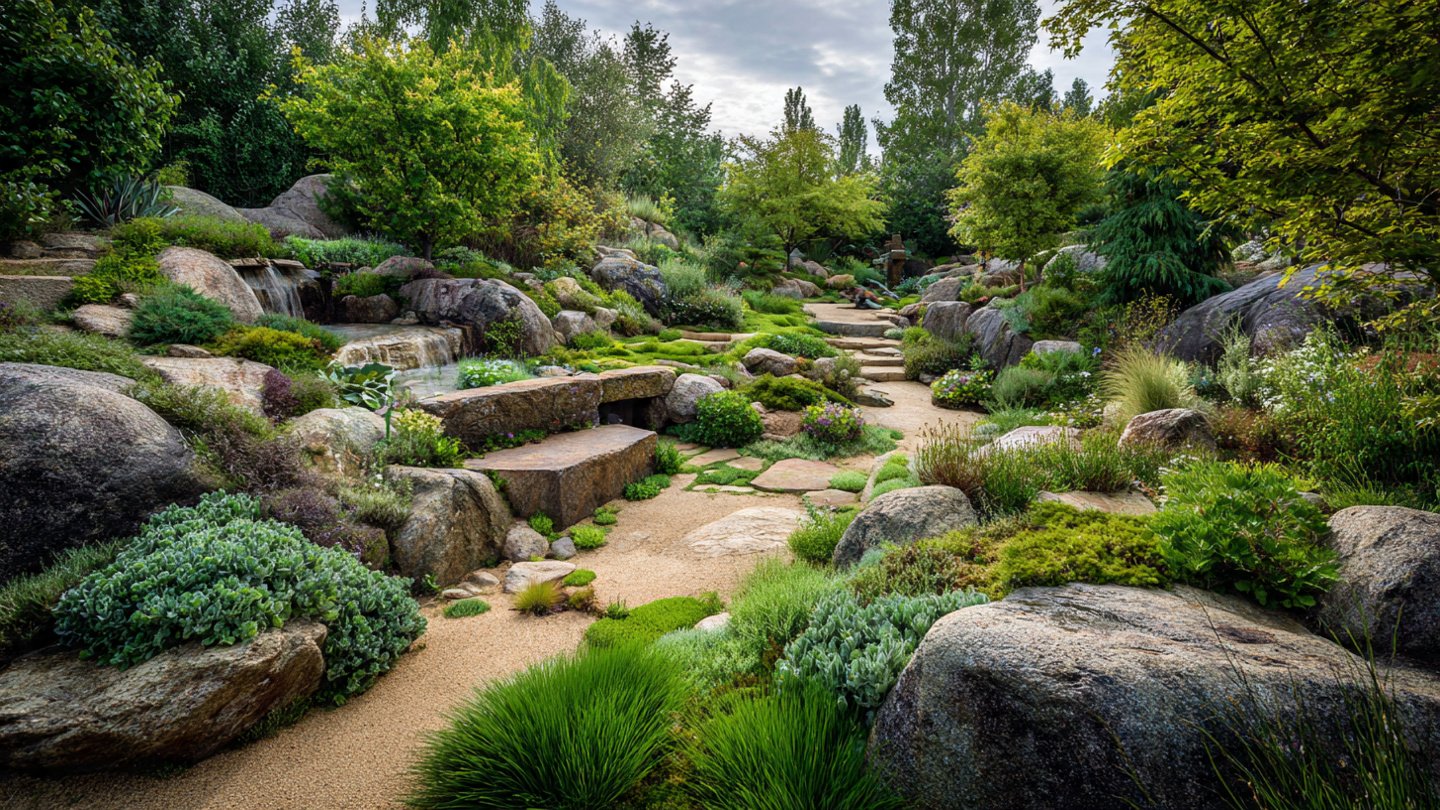
Creating a stunning garden that integrates both edible and ornamental plants is a fulfilling project that enhances your outdoor space while providing fresh produce. This harmonious blend not only beautifies your garden but also offers nutritional benefits, attracts pollinators, and contributes to sustainable living. Here’s a comprehensive guide to help you achieve this delightful fusion.
Understanding the Basics
1. Garden Planning
Before you start planting, it’s essential to plan your garden. Consider the following:
- Space: Assess the size of your garden and determine how much area you can dedicate to edibles versus ornamentals.
- Sunlight: Identify sun and shade areas. Most edibles, like tomatoes and peppers, thrive in full sun (6-8 hours of direct sunlight).
- Soil Quality: Test your soil to ensure it has the necessary nutrients. Amend the soil as needed with organic matter to improve its fertility and structure.
2. Choosing the Right Plants
Select plants that complement each other in aesthetics, growth habits, and maintenance needs. Here are some plant combinations to consider:
- Edible Flowers: Nasturtiums, pansies, and marigolds add color and can be used in salads.
- Herbs: Basil, thyme, and oregano are not only visually appealing but also practical for culinary use.
- Vegetables: Incorporate visually stunning varieties like purple cauliflower, rainbow chard, or bright red peppers.
- Fruit-bearing Plants: Consider berries like strawberries or raspberries, which produce beautiful blooms.
Design Elements
1. Color Schemes
A vibrant color palette can greatly enhance your garden’s appeal. Choose a mix of plants that flower in various colors. For example:
- Cool Colors: Blue and purple flowers, like lavender and indigo bush, create a calming effect.
- Warm Colors: Red, orange, and yellow flowers, such as calendula and sunflowers, can energize the space.
2. Textures and Shapes
Incorporate plants with diverse leaf shapes and textures. Smooth, broad leaves from squash plants can contrast beautifully with the frilly leaves of certain herbs. Layering heights—tall sunflowers in the back, midsize tomatoes in the middle, and ground-cover herbs in the front—adds depth and dimension.
Creating a Functional Layout
1. Raised Beds and Containers
Utilizing raised beds or containers can help you organize your garden while making it visually appealing. These structures can be filled with rich soil, making it easier to manage weeds and pests.
- Raised Beds: Ideal for creating defined spaces in your garden. You can design them in various shapes and sizes to fit your space.
- Containers: Perfect for small areas or patios. Use decorative pots that blend in with your home’s aesthetic.
2. Paths and Borders
Incorporate pathways to enhance accessibility and guide visitors through your garden. Consider using natural stone, gravel, or mulch for a rustic look that complements your plants.
- Borders: Use edging materials like bricks or logs to define different areas of your garden. This technique can help separate the edible and ornamental zones while maintaining a cohesive look.
Maintaining a Balanced Ecosystem
1. Companion Planting
Companion planting can enhance growth and deter pests. Pair plants that benefit each other, such as:
- Basil and Tomatoes: Basil can repel pests that target tomatoes.
- Marigolds with Green Beans: Marigolds deter harmful insects and can attract beneficial ones.
2. Attracting Pollinators and Beneficial Insects
Integrating plants that attract bees, butterflies, and other beneficial insects is crucial for a thriving garden. Incorporate flowering herbs and native plants that provide nectar and habitat for these pollinators.
- Native Plants: Choosing local flora supports local ecosystems and enhances biodiversity.
- Insect Hotels: Consider adding structures that attract beneficial insects like ladybugs and lacewings.
Seasonal Interest
1. Year-Round Planning
To maintain visual interest throughout the year, plan for different plant bloom times. Incorporate seasonal vegetables and ornamental plants that provide color and texture in each season.
- Spring: Focus on cool-season crops like lettuce and early flowering plants such as tulips.
- Summer: Plant heat-loving vegetables like peppers and zinnias for vibrant summer colors.
- Fall: Incorporate late-season vegetables, like squash and pumpkins, alongside ornamental grasses and autumn-blooming flowers.
- Winter: Utilize evergreen plants and winterberries for structure and interest.
Sustainable Practices
1. Organic Gardening
Utilizing organic gardening practices enhances your garden’s health and sustainability. Avoid synthetic pesticides and fertilizers.
- Composting: Create your own compost to enrich the soil naturally. This practice reduces waste and provides essential nutrients to your plants.
- Crop Rotation: Change the placement of specific plants in your garden each year to prevent soil depletion and reduce the risk of pests.
2. Watering Wisely
Integrate a proper irrigation system that conserves water while ensuring your plants thrive. Consider:
- Drip Irrigation: This method delivers water directly to the plant roots, reducing waste.
- Rain Barrels: Collect rainwater for garden use.
Enhancing Features
1. Garden Art and Decor
Add personal touches like sculptures, birdhouses, or garden stakes to express your style. These elements can serve as focal points that draw the eye and enhance the overall appeal.
2. Seating Areas
Create inviting spots within your garden where you can relax and enjoy your surroundings. Consider adding benches, hammocks, or simple chairs where you can unwind amid the beauty of your edible and ornamental plants.
Conclusion
Creating a stunning garden that blends edibles and ornamentals requires thoughtful planning, design, and maintenance. By following these guidelines, you can cultivate a vibrant, multi-functional landscape that not only pleases the eye but also nourishes the body. Embrace the beauty and practicality of combining these two elements, and enjoy the myriad benefits they bring to your home and lifestyle. Your stunning garden awaits—get started on this rewarding journey today!