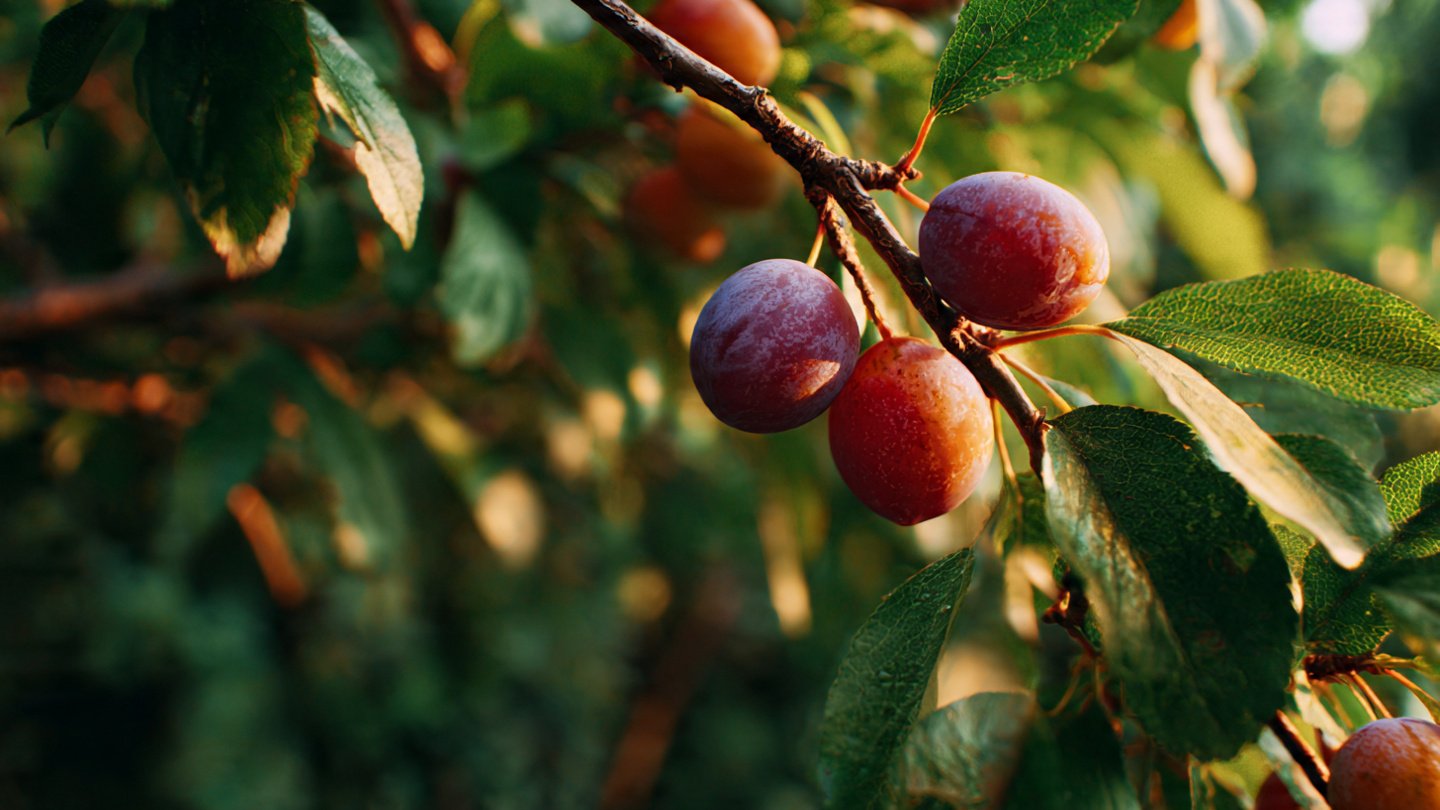
Plum trees (Prunus domestica) are beloved for their delicious fruits and vibrant foliage. However, seeing your plum tree losing its leaves in July can be alarming. This article delves into the reasons behind leaf drop during this time of year, the implications for tree health, and how to manage your trees effectively.
Understanding Leaf Drop in Plum Trees
Leaf drop, particularly in mid-summer, can indicate various issues affecting your plum tree. While some loss of leaves is normal, excessive shedding can be a sign of underlying health problems – environmental, biological, or cultural.
1. Natural Leaf Drop
Before diving into potential problems, it’s essential to note that some leaf drop is natural. Trees might shed leaves mid-summer to conserve water, especially during prolonged dry spells. This process, known as “abscission,” helps the tree manage stress by reducing its leaf surface area.
However, this natural phenomenon can sometimes be confused with more serious issues when the leaf drop appears excessive.
2. Stress Due to Environmental Factors
Water Stress
Water availability is crucial for plum tree health. In July, periods of drought can lead to water stress. When the tree senses insufficient moisture, it may drop leaves to preserve water. To mitigate this, ensure your tree receives adequate water through deep watering techniques, especially during dry spells.
Temperature Fluctuations
Extreme temperatures can also contribute to stress. Unusually high temperatures can cause excessive transpiration, leading to water loss. Conversely, unanticipated late frosts can shock the tree, leading to premature leaf drop.
Soil Conditions
The quality of soil plays a vital role in tree health. Poorly drained soils can lead to root rot, while compacted soils do not allow for adequate root aeration. Both conditions can stress a tree, causing it to shed leaves. Regularly checking soil health and making necessary amendments can enhance overall vitality.
3. Pest Infestations
Various pests can target plum trees, leading to leaf drop. Some of the culprits include:
Aphids
These small, sap-sucking insects can weaken a tree by draining its nutrients. Large infestations can lead to yellowing leaves and premature shedding. Keeping a keen eye on your tree and applying insecticidal soap or introducing natural predators can help manage aphid populations.
Spider Mites
Spider mites thrive in hot, dry conditions and can cause leaf discoloration followed by drop. They create fine webs on the underside of leaves. Maintaining humidity around your plum tree and using miticides can protect your tree if infestation occurs.
Plum Curculio
This pest targets the fruit of plum trees but can also damage foliage. As adults feed on leaves, they can create wounds leading to leaf drop. Implementing traps and timely insecticides can safely manage a curculio problem.
4. Fungal Diseases
Fungal infections are another common cause of mid-summer leaf drop. Various diseases like:
Powdery Mildew
This fungal infection often appears as a white, powdery coating on leaves. While typically not fatal, it can lead to significant leaf drop. Fungicides or organic treatments like neem oil can help control mildew.
Leaf Spot
Leaf spot diseases can present as dark, brown or black spots. They hinder photosynthesis and can weaken the tree, causing leaf drop. Improving airflow around the tree and applying fungicides can help manage these diseases.
5. Nutritional Deficiencies
Nutrient deficiencies can also lead to leaf drop. Notably, a lack of nitrogen, potassium, or magnesium can manifest in yellowing leaves. Conducting a soil test can offer insights into nutrient levels. Based on results, adding appropriate fertilizers or amendments can restore balance.
6. Root Problems
Root-related issues can indirectly cause leaf drop. Conditions affecting the root system include:
Root Rot
Poor drainage can lead to root rot, a condition where roots become damaged due to excess moisture. If roots are compromised, the tree cannot effectively absorb nutrients and water, leading to leaf drop. Regularly checking for signs of rot and improving drainage can prevent this issue.
Girdling Roots
Sometimes, roots encircle the trunk, which can cut off nutrient flow. This condition can also lead to stress and subsequent shedding. If noticed early, correcting root positioning may rectify the issue.
7. Cultural Practices
Improper care can also lead to leaf drop. Some common cultural issues include:
Over-Pruning
While pruning is essential for tree health, excessive pruning can stress a plum tree. Late heavy pruning can lead to leaf shed as the tree reallocates resources to recovery. It’s crucial to adhere to recommended pruning guidelines.
Fertilization Mistakes
Fertilizing your tree at the wrong time or using inappropriate products can cause stress. Over-fertilization may burn roots, while under-fertilization can lead to nutrient deficiencies. It’s best to apply fertilizers in early spring before new growth begins.
8. Environmental Changes
Changes in the surrounding environment can also impact leaf retention. Construction or landscaping nearby may alter water flow and sunlight exposure, effectively stressing your tree. Monitoring the tree’s surroundings and making adjustments to minimize stress is key.
Managing Leaf Drop
If your plum tree is shedding its leaves in July, it’s crucial to take assessment and management steps:
-
Monitor Water Levels: Ensure consistent watering, especially during drought conditions. Mulching can help retain moisture.
-
Inspect for Pests and Diseases: Regularly check for pests or disease symptoms. Early identification and treatment are crucial.
-
Evaluate Soil Health: Conduct soil tests to determine nutrient levels. Make additions based on the results, focusing on organic matter enrichment.
-
Adjust Pruning and Fertilization: Follow proper practices for pruning and fertilization, ensuring not to overdo any treatments.
-
Create a Suitable Environment: Make changes to the surroundings if necessary to enhance growth conditions, like improving drainage or increasing sunlight access.
-
Consult an Arborist: If leaf drop persists despite your efforts, consulting a professional may offer insight and help develop a recovery plan.
Conclusion
Seeing your plum tree shed leaves in July can be concerning, but recognizing the underlying causes enables effective management strategies. By understanding environmental stressors, pests, diseases, and your cultural practices, you can ensure a healthy and thriving tree.
Remember, your plum tree is a long-term investment in your landscape. With proper care and attention, it can flourish, providing not just stunning foliage but also delicious fruits for years to come.