Growing celery that is tender and sweet requires careful attention to several key factors, including soil preparation, choosing the right variety, proper planting techniques, and a consistent watering and fertilization routine. This article will guide you through the essential steps to achieve an abundant harvest of delicious, crunchy celery.
To begin with, choosing the right variety of celery is fundamental. Celery comes in various types, with self-blanching varieties being popular for home gardens. Self-blanching celery, like ‘Golden Boy’ or ‘Ventura’, requires less work to achieve that tender, pale stalk often associated with grocery store celery. On the other hand, traditional green varieties, while potentially yielding sturdier stalks, may require more effort to cultivate properly.
Soil preparation is another critical aspect of growing sweet and tender celery. Celery thrives in well-drained, nutrient-rich soil with a pH between 6.0 and 7.0. To achieve this, start by locating a planting area that receives adequate sunlight; celery prefers full sun but can tolerate partial shade as well.
Before planting, amend the soil with organic matter, such as compost or well-rotted manure, to enhance its fertility and structure. You can also add a balanced fertilizer, ensuring it contains sufficient nitrogen, as celery is a nitrogen-loving plant. A soil test can provide specific recommendations tailored to your garden’s needs, helping ensure you create the optimal growing environment.
To plant celery, sow seeds indoors approximately 8 to 10 weeks before the last expected frost date in your area. Celery seeds are tiny and require careful handling. Sow the seeds in seed trays or pots filled with a seed-starting mix, lightly covering them with soil. Keep the soil consistently moist, using a spray bottle or gentle watering technique to avoid displacing the seeds. Celery seeds germinate best at temperatures between 65°F and 75°F.
Once seedlings develop a few true leaves and the risk of frost has passed, transplant them outdoors. When transplanting, space the seedlings about 6 to 8 inches apart in rows that are 24 to 30 inches apart. This spacing allows the celery plants ample room to grow while ensuring good air circulation, which is crucial in preventing diseases.
When it comes to nurturing your celery plants once they’re in the ground, consistent moisture is paramount. Celery has a high water content—about 95%—which is why it requires regular watering to grow sweet and tender stalks. Aim to keep the soil consistently moist, particularly during dry spells. Consider using mulch around the plants to retain soil moisture and suppress weeds. Deep watering techniques are beneficial; rather than frequent shallow watering, aim for less frequent but deeper watering sessions to encourage deeper root development.
Fertilization is equally important. After transplanting, incorporate a liquid fertilizer every 4 to 6 weeks to support healthy growth. Look for fertilizers with a higher nitrogen content, as this can enhance the lushness of the celery leaves and stalks. However, be cautious not to over-fertilize, which can lead to bitter-tasting celery or stunted growth. Observing the plants for signs of nutrient deficiency—like yellowing leaves—can help you adjust your fertilization regimen as needed.
As celery grows, it’s essential to monitor for pests and diseases. Common pests that affect celery include aphids, cutworms, and slugs. To minimize pest problems, you can use organic remedies. Hand-picking pests, applying insecticidal soap, or employing beneficial insects like ladybugs can help manage infestations. Regularly inspecting your plants can catch issues early, preventing further damage.
In addition to pests, celery is susceptible to several diseases, such as blight and root rot. Ensuring good air circulation around the plants, avoiding overhead watering, and rotating crops can help prevent disease development.
As your celery approaches maturity, which may take around 80 to 90 days from the time you transplant, you can start to assess its size and flavor. Tenderness and sweetness are often best in celery when the stalks are harvested at their peak, usually when they are about 8 to 10 inches tall. Harvest gentle, twisting each stalk from the base or cutting them off at the soil line to preserve nearby plants for continued growth. Celery can grow back after cutting the stalks if harvested correctly, allowing for multiple harvests throughout the growing season.
Timing your harvest is vital, as leaves can become tough and stalks may develop bitterness if left too long in the garden. Harvest in the morning when the temperatures are cooler for the best results, as this is when the celery is at its peak freshness and water content.
After harvesting, proper storage can significantly affect the taste and texture of your celery. To keep celery crisp and tender, store it in the refrigerator, preferably wrapped in a damp paper towel or inside a perforated plastic bag. Keeping it cool and moist will help maintain its crunchiness for a longer period. Celery can last up to two weeks in the fridge, but for the best flavor, consume it as fresh as possible.
In summary, growing sweet and tender celery involves a combination of careful selection of variety, adequate soil preparation, consistent watering, and vigilant pest and disease management. By adhering to these guidelines, you can cultivate a bountiful harvest of crisp, flavorful celery that enhances your culinary creations and adds nutritional value to your meals. With patience and diligence, you will be rewarded with a garden staple that thrives in your backyard, offering both satisfaction and delightful flavors. Enjoy the process of nurturing your plants and savoring the fruits of your labor in the kitchen!
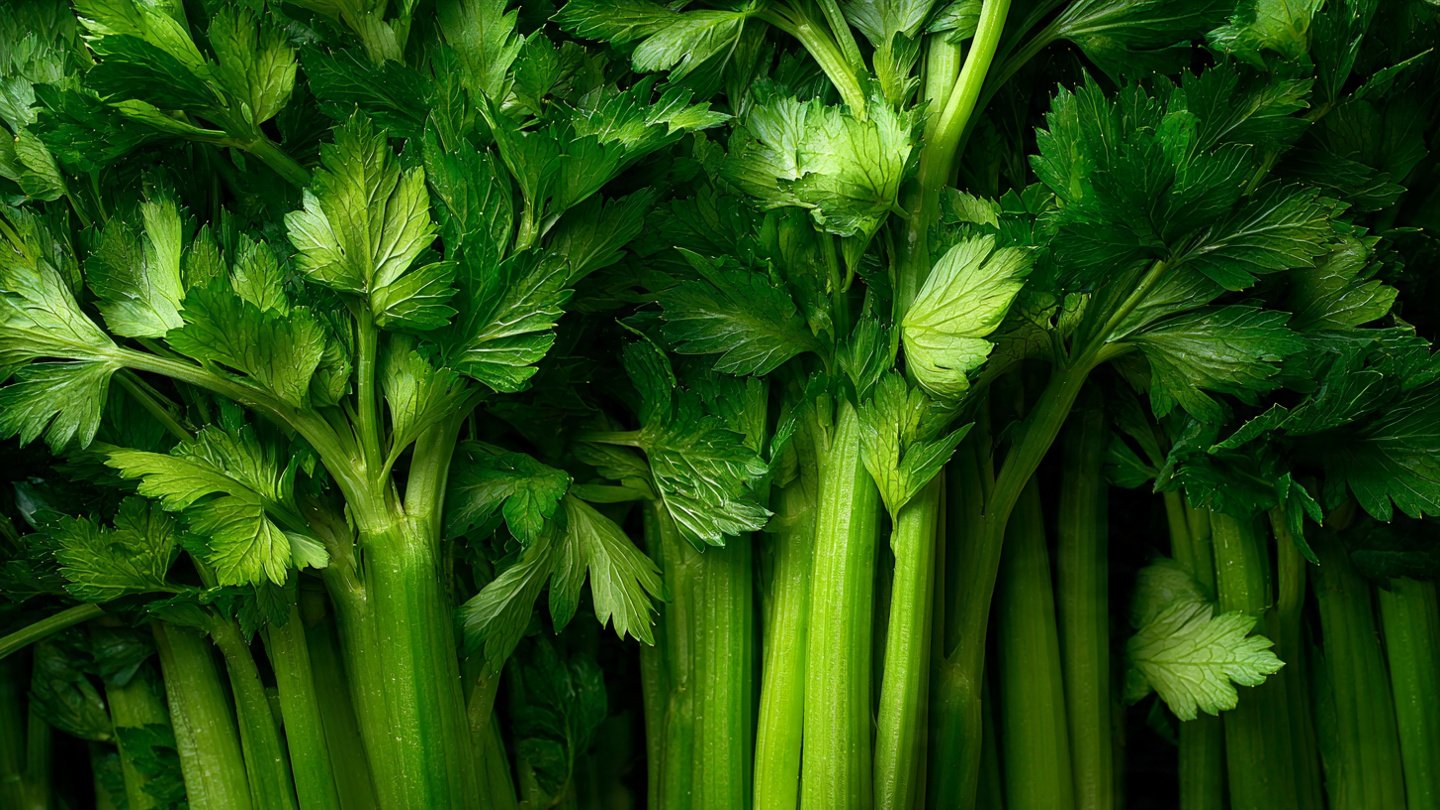
How Can You Grow Celery That Is Tender and Sweet?
Yezdi Roadster 2026 Launched: Smooth Engine, Muscular Cruiser Design, Advanced Features
EPFO Pension New Rules 2026: Salary Limit Changed, Pension Will Increase
2026 Rolls-Royce Motorhome Redefining Ultra-Luxury Road Travel With Timeless Elegance
Motorola New Smartphone With 420MP Camera, 7700mAh Battery at ₹9,900
Motorola Razr 50 Ultra New 5G Foldable Smartphone With Attractive Design, 165Hz Display
Nokia 2660 Flip 4G Beautiful Design Flip Keypad Phone With 12MP Camera at Just ₹2,500
Motorola Unveiled Stunning Design Smartphone With 250MP Camera, 16GB RAM and 95W Superfast Charging
Vivo V50 Lite 5G Smartphone Launched With 3 Days Battery Backup, 6.77-Inch AMOLED Display at ₹19,000
Honor X9c Smartphone With 144Hz Display, 70W Charging and Circle Design Camera
Oppo Premium 5G Smartphone With 250MP Camera and 7800mAh Battery
Infinix 5G Smartphone Launched With 12GB RAM, 200MP Camera and Flagship-Level Design
Tata Nano EV 2026: Affordable Electric Car With 300km Range Starting at ₹3.5 Lakh in India
Day Will Turn Slowly to Night During the Longest Total Solar Eclipse of the Century Across Several Regions
Maruti Suzuki Grand Vitara 2026 With 2.8L Petrol Engine Delivers 37kmpl Mileage and Luxury Features
Galaxy S23 Ultra 5G With 108MP AI Camera and Fabulous Design
Yamaha XSR 155 2026 Launched With Smooth Engine, Neo-Retro Design and Advanced Features
Day Will Slowly Turn to Night as the Longest Total Solar Eclipse of the Century Creates a Rare and Spectacular Event
Known as the Black Gold of Agriculture, Chernozem Soil Helped Turn Ukraine, Russia and Kazakhstan Into Global Breadbaskets
Light Will Disappear for Minutes: Experts Warn an Extraordinary Solar Eclipse Is Approaching
Vivo Y21d Budget-Friendly Smartphone With 6000mAh Battery Launched
Triumph Scrambler 400 X 2026 Launched With Rugged Design, Torque-Rich Engine and Modern Features
Oppo A6 Pro Smartphone With 50MP Dual Camera and 256GB Storage
Tecno Pova Slim 5G Smartphone With 6.78-Inch 3D Curved Display at ₹17,000
New Maruti Brezza 2026 Stylish Compact SUV With 35 km/l Mileage, Luxury Features and Smart Tech
Age Pension Update 2026: $1,179 Increase Announced – Who Qualifies
Realme Narzo 90 Smartphone With Sleek Design and 7000mAh Battery
Vivo New Phone With 300MP Camera and 7600mAh Battery at ₹9,600
Poco M7 Plus 5G With Snapdragon Processor and 144Hz Display at Just ₹10,000
OnePlus Nord CE 5 5G Smartphone With 80W SuperVOOC Charging and 256GB Storage at ₹20,000
Redmi New 5G Phone Launched in India With 108MP Camera and Curved AMOLED Screen