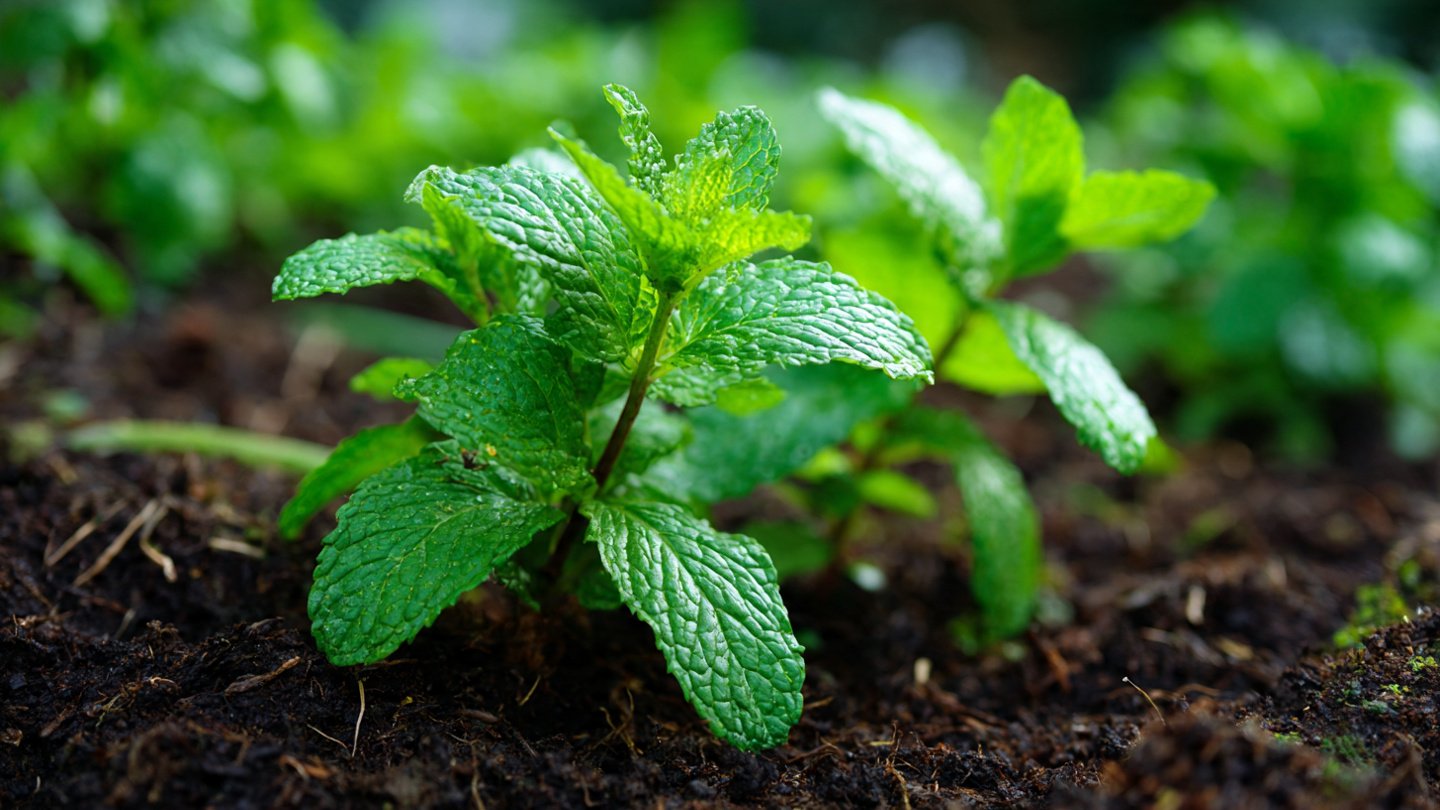
Gardening can often feel like an intricate dance between nature’s elements and our best-laid plans. Among the myriad of decisions gardeners face, one often overlooked question arises: Is planting mint near your vegetable rows a gardening mistake? This article delves into the complexities of this perennial herb, exploring its characteristics, benefits, and potential challenges when planted in proximity to vegetable gardens.
The Allure of Mint
Mint, known scientifically as Mentha, is a popular herb celebrated for its aromatic qualities and culinary versatility. It encompasses a range of species, including peppermint and spearmint, and is often used in various dishes, beverages, and even herbal teas. Its refreshing scent and flavor make it a favorite among many gardeners and cooks alike.
However, mint is not only a culinary delight; it is also a significant player in the garden ecosystem. With its lush, green foliage and prolific growth, mint can serve multiple purposes, such as attracting beneficial insects and repelling pests. Yet, its invasive nature can lead gardeners to wonder if it’s a good idea to plant it near their prized vegetable rows.
Understanding Mint’s Growth Habits
Mint is a hardy perennial that thrives well in various climates, making it a popular choice for gardens. Its rapid growth can be attributed to its rhizomatic root system, which allows it to spread quickly and establish colonies. This tenacity is one reason many gardeners opt to plant mint in contained spaces or in pots.
Advantages of Mint
-
Pest Repellent: Mint is known to deter several garden pests, including aphids, spiders, and cabbage moths. Its strong aroma can mask the scent of nearby vegetables, making them less appealing to pests.
-
Attracts Pollinators: Mint flowers are a magnet for pollinators, including bees and butterflies, which are essential for the overall health of a garden.
-
Companion Planting: Some gardeners advocate for planting mint alongside certain vegetables to enhance growth and flavor, as it can create a beneficial microclimate.
-
Culinary Uses: Beyond its garden benefits, mint’s versatility in cooking cannot be ignored. Having it nearby means easy access for fresh herbs in your kitchen.
Disadvantages of Mint
Despite its benefits, mint poses significant challenges when planted near vegetables:
-
Invasiveness: Mint’s rhizome system allows it to spread aggressively. This resilience can lead to mint overpowering nearby plants, which may stifle their growth.
-
Root Competition: Mint can compete for nutrients and water, potentially leading to a decline in the health of your vegetable crops.
-
Flavor Overlap: The strong flavor of mint can inadvertently affect the taste of nearby vegetables, particularly those with milder flavors.
The Science of Companion Planting
Companion planting is the practice of placing different plants together for mutual benefit. While some plants thrive when grown together, others may hinder each other’s growth. Understanding these relationships can inform your gardening strategies.
Compatible Plants
Certain plants naturally thrive alongside mint, including:
- Cabbage family (Brassicas): Studies suggest that mint may deter cabbage moths.
- Tomatoes: Well-suited to companion planting with mint, as it can ward off pests that target tomato plants.
Incompatible Plants
However, some vegetables should be kept away from mint, such as:
- Carrots: Mint can inhibit carrot growth due to competition for nutrients.
- Squash: The competition for space and resources may negatively impact squash yields.
Spatial Considerations
When deciding whether to plant mint near your vegetable rows, spatial arrangement is crucial. Utilizing physical barriers, such as garden edging or pots, can help manage mint’s invasive tendencies. This can create designated zones where mint grows independently without encroaching on vegetable growth.
Container Gardening
Growing mint in a container is one practical approach to control its spread. This method allows gardeners to enjoy mint’s benefits without the risk of it overtaking other plants. Containers can also enhance aesthetics and provide flexibility in garden design.
Row Spacing
If you decide to plant mint in the open garden, consider row spacing and layout. Giving enough distance between mint and vegetables can minimize competition and help maintain balance in your garden ecosystem.
Managing Mint Growth
For gardeners who have already planted mint and are concerned about its spread, several management techniques can be useful:
-
Regular Pruning: Regularly trimming mint can help keep its growth in check and prevent it from encroaching on nearby vegetables.
-
Root Barriers: Installing physical barriers underground can limit mint’s ability to spread.
-
Mulching: Using mulch can help suppress mint’s growth while also conserving moisture for vegetable crops.
Evaluating Your Garden Goals
Before planting mint near your vegetable rows, it’s crucial to define your gardening goals. Are you looking for an herb garden that includes mint, or are your primary interests in growing vegetables? Understanding this can guide your decisions on plant placement.
Flavor Considerations
If flavor is a deciding factor, consider the potential overlap in tastes. Mint’s strong, unmistakable flavor could negatively impact the palatability of more delicate vegetables. For those prioritizing culinary precision, careful consideration of plant placement is essential.
What the Experts Say
Gardening experts often warn against indiscriminately planting mint alongside vegetables due to its invasiveness. While beneficial properties exist, proactive management and planning are vital. Recommendations often include planting mint in pots or using barriers to control its growth.
Conclusion
In the end, whether planting mint near your vegetable rows is a mistake depends on various factors, including your gardening style, objectives, and willingness to manage the herb. Mint certainly offers numerous benefits, from pest deterrence to culinary applications. However, its invasive nature and competitiveness may pose challenges that could lead to regret down the line.
If you can control its growth through strategic placement, it can be a valuable addition to the garden. For those willing to embrace its unpredictability and manage the risks, mint may very well become a beloved companion in your vegetable patch. Ultimately, the decision to plant mint will depend on careful consideration of your gardening goals, spatial arrangements, and personal preference, ensuring that your garden remains a thriving ecosystem of flavors and fragrances.