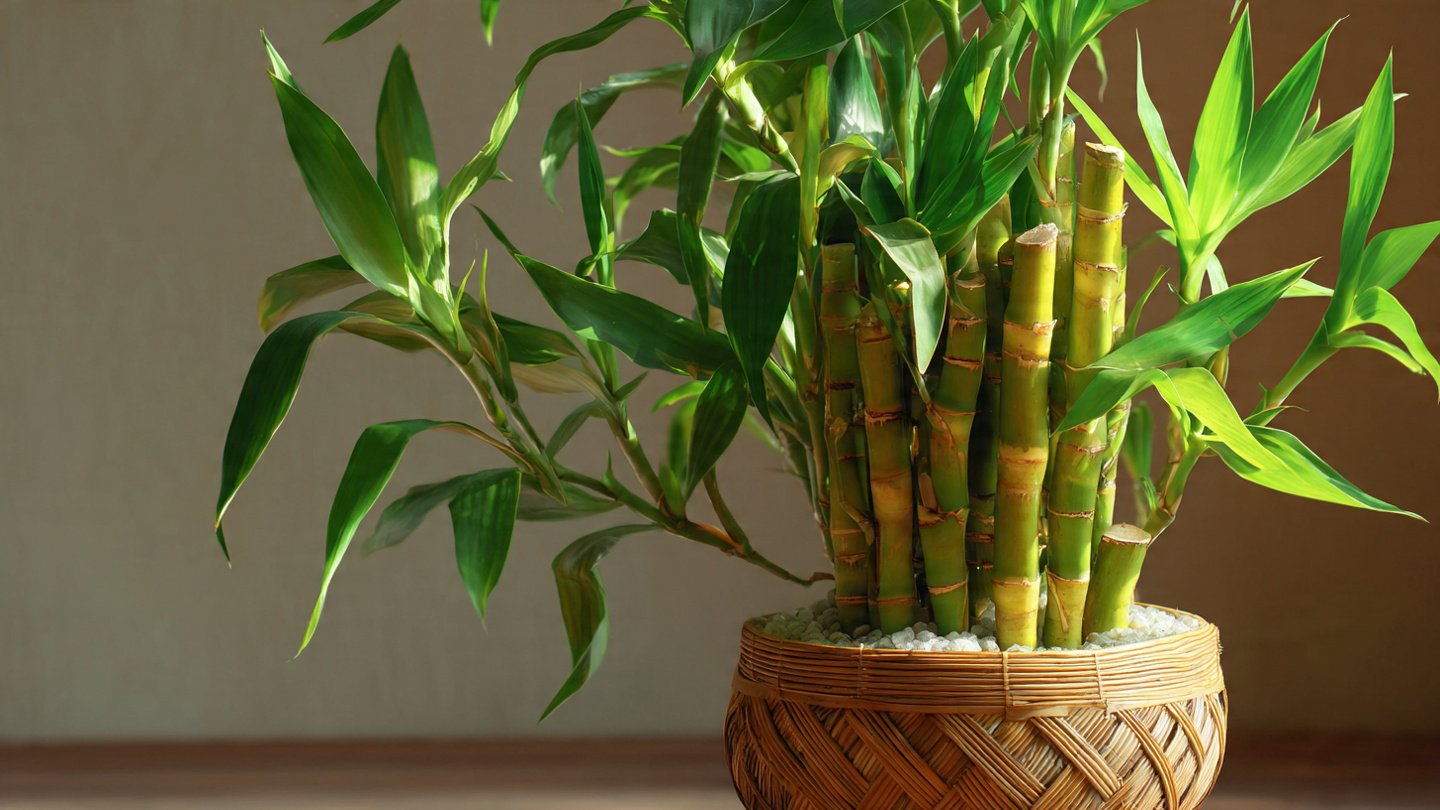
Lucky bamboo, scientifically known as Dracaena sanderiana, is a popular houseplant recognized for its unique appearance and symbolic meanings. It is often associated with good fortune and prosperity, making it a common gift. However, many owners find themselves distressed when their once vibrant green lucky bamboo begins to turn yellow. This can signal various underlying problems, which, if addressed promptly, can help revive your plant.
Understanding the Causes of Yellowing Leaves
When lucky bamboo leaves start turning yellow, it’s typically an indicator that something is amiss. Here are some common causes:
- Overwatering: Bamboo thrives in water, but too much water can lead to root rot, causing leaves to yellow.
- Underwatering: Conversely, not providing enough water can stress the plant, resulting in yellowing leaves.
- Improper Lighting: Lucky bamboo prefers indirect light. Too much direct sunlight can scorch the leaves, leading to yellowing.
- Pests and Diseases: Infestations from pests like aphids or diseases can weaken the plant and cause leaf discoloration.
- Water Quality: Using tap water with chlorine or fluoride can harm the plant, leading to yellowing. Rainwater or distilled water is preferred.
- Nutrient Deficiency: Lack of essential nutrients, especially nitrogen, can cause yellowing leaves.
How to Revive Your Lucky Bamboo
If your lucky bamboo has started to show signs of distress, there are several steps you can take to revive it.
1. Assess Watering Practices
Evaluate your watering routine. If you notice yellow leaves and the soil is soggy, it may be time to reduce how often you water your plant. On the other hand, if the roots seem dry and the plant looks wilted, ensure you provide enough water.
2. Change Water Regularly
If your lucky bamboo is grown in water, change the water every two weeks. Use distilled water or rainwater when possible, as these are free from harsh chemicals.
3. Adjust Light Conditions
Reassess the plant’s light exposure. Lucky bamboo does best in bright, indirect sunlight. If it’s in direct sunlight, relocate it to a shadier spot.
4. Check for Pests
Inspect your lucky bamboo for signs of pests. Look for webs, spots, or any unusual residue. If you find pests, treat the plant with insecticidal soap or neem oil.
5. Fertilize Smartly
If you suspect a nutrient deficiency, consider using a balanced, water-soluble fertilizer every 4-6 weeks during the growing season. Be cautious, as over-fertilization can lead to burn and yellowing.
6. Prune Yellowing Leaves
Remove any yellowing leaves by cutting them at the base. This helps direct the plant’s energy to healthier parts and can improve its overall appearance.
Potential Long-term Care Strategies
Once your lucky bamboo begins to recover, implementing some long-term care strategies will help keep your plant healthy:
- Monitoring: Regularly check the plant for signs of stress, such as yellowing or wilting. Early detection can save your plant.
- Stable Environment: Keep your lucky bamboo in a stable environment, away from drafts and extreme temperature changes.
- Repotting: If your lucky bamboo outgrows its pot, consider repotting it in a slightly larger container to avoid root crowding.
Conclusion
A yellowing lucky bamboo can be distressing for plant owners, but understanding the underlying causes can help you revive your treasured plant. By adjusting your watering habits, ensuring proper lighting, and addressing any pest issues, you can encourage your lucky bamboo to thrive once again. Remember to monitor and maintain a stable environment for your plant, as it can significantly impact its overall health. With patience and care, you will not only bring your lucky bamboo back to life but also enhance its beauty and longevity.
FAQs
1. Can I grow lucky bamboo in soil instead of water?
Yes, you can grow lucky bamboo in soil, but ensure the soil is well-draining. Water it regularly without over-saturating it.
2. Is lucky bamboo toxic to pets?
Lucky bamboo is not toxic to pets, but it’s always wise to keep plants out of reach, as even non-toxic plants can cause digestive issues if ingested in large quantities.
3. How long can lucky bamboo live?
With proper care, lucky bamboo can live for many years, with some reports of plants thriving for over a decade.
4. What should I do if my lucky bamboo leaves are turning brown?
Browning leaves may indicate too much direct sunlight, underwatering, or a nutrient deficiency. Assess the plant’s environment and adjust accordingly.
5. Can lucky bamboo grow outdoors?
Lucky bamboo is not frost-tolerant and should typically be kept indoors. If placed outdoors, ensure it’s in a shaded area and protected from cold temperatures.