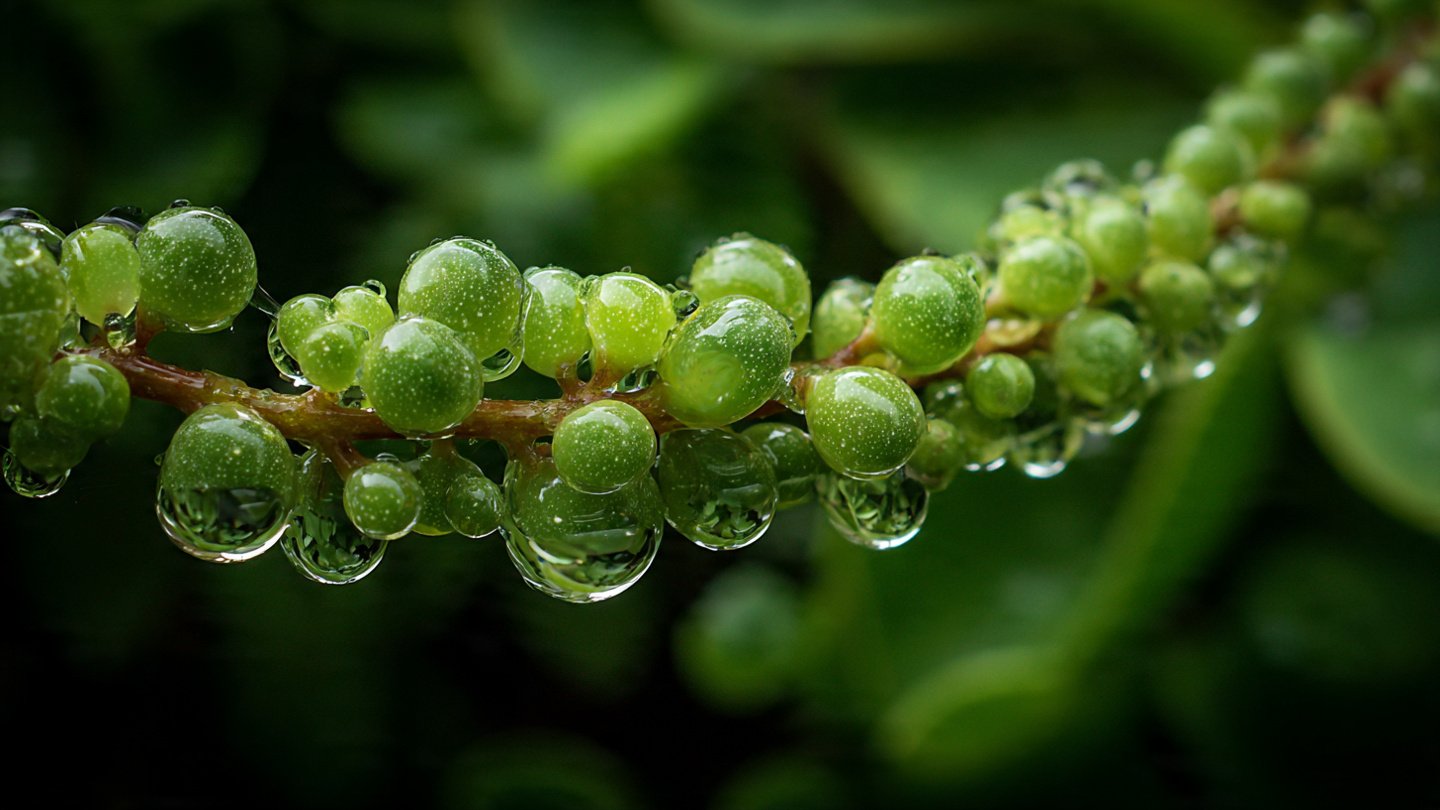
The String of Pearls (Senecio rowleyanus) is a stunning succulent that has gained popularity for its unique appearance and relatively low-care needs. Known for its cascading strands of round, bead-like leaves, this plant is not only an eye-catching addition to any home but also an excellent choice for both novice and seasoned plant enthusiasts. However, one of the most striking features of the String of Pearls is its minimal water requirements. In this article, we will delve into why this plant flourishes with only a tiny bit of water, explore its natural habitat, and offer valuable care tips.
Understanding the String of Pearls’ Natural Habitat
The String of Pearls is native to the arid regions of South Africa, specifically in areas where rainfall is scarce. In its natural environment, it grows in rocky outcrops and sandy soils that drain exceptionally well. This adaptation to a dry climate has largely influenced its water needs. In such habitats, plants often develop unique strategies to conserve water, leading to distinct physical characteristics and behaviors.
This succulent is equipped with fleshy leaves that store moisture, enabling it to thrive in conditions where other plants might struggle. Consequently, the plant has evolved to require only a small amount of water, making it ideally suited for indoor living—especially in climates where high humidity is not the norm.
Watering Practices for the String of Pearls
When it comes to watering your String of Pearls, less is indeed more. Here are some key considerations:
1. **Soil Type Matters**
Using a well-draining soil mix is crucial. A mixture designed for cacti or succulents is ideal, as it allows excess water to escape and prevents root rot. Avoid regular potting soil, as it retains too much moisture.
2. **Signs of Underwatering and Overwatering**
Understanding how to read your plant’s signals is vital. A String of Pearls will usually exhibit the following signs:
- Underwatering: Leaves shrivel and become thin.
- Overwatering: Leaves will appear mushy or translucent and might even begin to drop off.
3. **Check the Soil Moisture**
To determine when to water, check the top inch of the soil. If it feels dry, it’s time to water. If it’s still moist, wait a few more days before checking again. This method helps maintain the right balance for optimal growth.
Watering Frequency
The watering frequency for a String of Pearls can vary based on the season and environmental conditions:
- Spring and Summer: During the growing season, you may need to water every 2-3 weeks.
- Fall and Winter: In the dormant season, reduce watering to once a month or even less, depending on humidity and temperature.
The Importance of Light
In addition to minimal watering, light plays an essential role in the health of your String of Pearls. These plants thrive in bright, indirect sunlight. Too much direct sunlight can scorch the leaves, while too little light can lead to leggy growth and poor vitality. Placing your plant near a window with filtered light will provide optimal conditions.
Benefits of Low Water Requirements
The String of Pearls’ low water needs offer several benefits for plant owners:
- Ideal for Busy Schedules: If you often forget to water plants, the String of Pearls is a forgiving choice.
- Water Conservation: Require less frequent watering means less consumptive water use, making it more sustainable.
- Less Risk of Disease: Reduced moisture results in a lower risk of fungal infections and root rot.
Common Mistakes to Avoid
Even with its low maintenance needs, there are common pitfalls that can affect the health of your String of Pearls:
- Overwatering: This is the most common mistake and can be fatal. Always err on the side of caution.
- Ignoring Light Needs: Ensure the plant receives adequate but not excessive light. Rotating your plant periodically can help ensure even light exposure.
- Neglecting Fertilization: While these plants require minimal fuss, they can benefit from diluted succulent fertilizer during the growing season.
Conclusion
The String of Pearls is a fascinating and beautiful succulent that thrives on minimal water. Its unique adaptations to arid environments make it an excellent choice for those who want a low-maintenance plant that adds beauty to their space. By understanding its watering needs, light requirements, and common care mistakes, you can ensure that your String of Pearls remains healthy and vibrant. With the right care, this delightful plant can flourish, bringing joy and beauty to your home for years to come.
FAQs
1. How often should I water my String of Pearls?
Generally, water every 2-3 weeks in the growing season (spring and summer) and reduce to once a month during dormancy (fall and winter).
<h3>2. Can I propagate my String of Pearls?</h3>

<p>Yes! String of Pearls can be easily propagated from cuttings. Place a healthy cutting in well-draining soil and water lightly until it establishes roots.</p>
<h3>3. What kind of soil is best for my String of Pearls?</h3>

<p>A well-draining soil mix specifically designed for succulents or cacti is ideal to prevent root rot.</p>
<h3>4. What should I do if my String of Pearls starts to look leggy?</h3>

<p>This usually indicates insufficient light. Move the plant to a brighter location while ensuring it’s not exposed to direct sunlight.</p>
<h3>5. How can I tell if my String of Pearls is healthy?</h3>

<p>Healthy plants will have plump, firm leaves and vibrant color. If leaves are shriveling or mushy, it may indicate watering issues.</p>