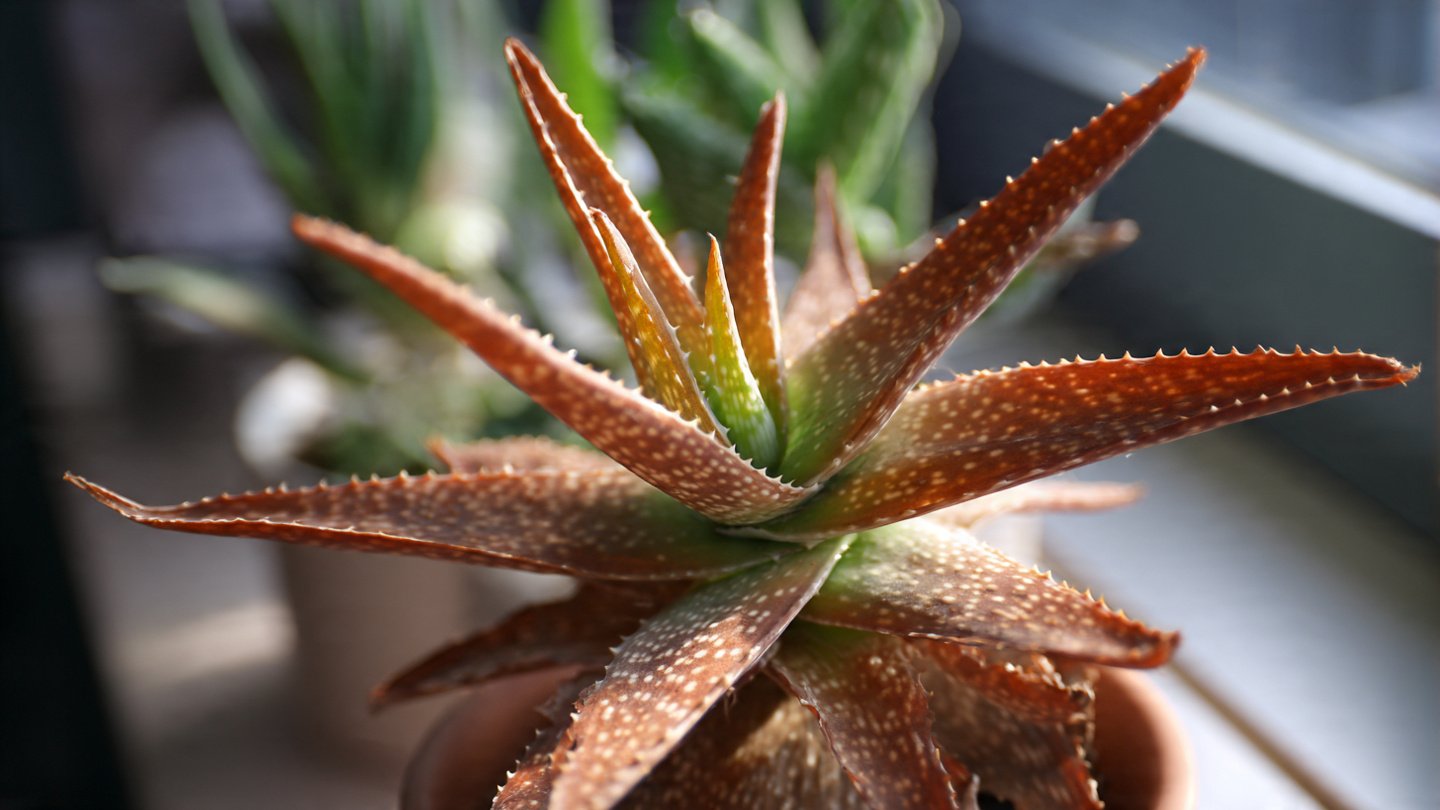
Aloe Vera is a popular succulent known for its numerous health benefits and low maintenance requirements. However, its vibrant green leaves can sometimes turn brown at the tips, alarming plant enthusiasts and casual owners alike. Understanding the reasons behind this discoloration is crucial for maintaining the health of your Aloe Vera. Let’s delve into the causes, solutions, and preventive measures to ensure your plant thrives.
Common Reasons for Browning Tips
Several factors can contribute to the browning of Aloe Vera leaves. Below are some of the most common culprits.
1. Overwatering
One of the most frequent causes of browning tips in Aloe Vera plants is overwatering. While Aloe Vera prefers a dry environment, excessive watering can lead to root rot, which ultimately affects the leaves. Signs of overwatering include mushy leaves, a general yellowing in addition to browning, and a foul odor from the soil.
2. Underwatering
On the flip side, underwatering can also lead to browning. If the soil becomes too dry, the plant may begin to stress, leading to brown tips as a signal of inadequate hydration. It’s essential to find a balance, ensuring the soil dries out between watering sessions but does not become bone dry.
3. Sunburn
Aloe Vera loves sunlight, but too much direct sunlight can cause sunburn, resulting in brown, crispy tips. If your plant is exposed to harsh afternoon sun for extended periods, you might notice scalded leaves. Consider relocating your Aloe Vera to a spot with bright, indirect light.
4. Nutrient Deficiency
Lack of essential nutrients, particularly potassium and magnesium, can lead to browning in Aloe Vera leaves. Nutrient deficiencies can cause stunted growth and discoloration, so it’s important to fertilize appropriately, especially during the growing season.
5. Pests and Diseases
Pests such as mealybugs and aphids can weaken your Aloe Vera plant, causing browning tips. Diseases caused by fungi or bacteria can also lead to leaf discoloration and deterioration. Regularly inspect your plant for any signs of pests or disease.
6. Temperature Extremes
Aloe Vera thrives in moderate temperatures. Exposure to extreme cold or prolonged heat can cause stress and result in browning tips. Ideal temperatures for Aloe Vera range from 60°F to 75°F (15°C to 24°C).
What Can You Do About It?
Now that you are familiar with the causes of brown tips on your Aloe Vera, here are some actionable steps to help restore its health:
1. Adjust Your Watering Schedule
Evaluate your watering practices. Make sure to water your Aloe Vera only when the top inch of soil is completely dry. Check your pot’s drainage as well; ensure it has enough holes to allow excess water to escape. A well-draining potting mix is crucial for Aloe Vera health.
2. Improve Lighting Conditions
If you suspect sunburn, try moving your Aloe Vera to an area with filtered sunlight. A south-facing window is ideal, but consider placing a sheer curtain between your plant and the sunlight to diffuse harsh rays.
3. Fertilize Wisely
Use a balanced, water-soluble fertilizer during the growing season (spring and summer) to provide essential nutrients. A diluted solution every 4-6 weeks can help replenish lost nutrients without overloading the plant.
4. Inspect for Pests
Check your Aloe Vera regularly for any signs of pests. If you find any, treat your plant with an insecticidal soap or neem oil to eliminate pests while being gentle on the plant.
5. Monitor Temperature
Ensure your Aloe Vera is in an environment that maintains a stable temperature. Avoid placing it near heating vents, drafts, or areas with extreme temperature fluctuations. During winter, it might help to keep the plant indoors or in a greenhouse if outdoor temperatures drop significantly.
6. Prune Damaged Leaves
Cautiously trim away the brown tips or dead leaves with clean, sharp scissors to promote healthy growth. This not only improves the plant’s appearance but also directs energy towards new growth.
Preventive Measures
To keep your Aloe Vera in optimal health and prevent brown tips from occurring, consider the following best practices:
- Use Well-Draining Soil: Opt for cactus or succulent mixes that facilitate efficient drainage.
- Water Sparingly: Adopt a schedule of watering deeply but infrequently.
- Monitor Lighting: Adjust your plant’s location seasonally to ensure it receives adequate but non-harsh light.
- Regular Inspections: Routinely check for pests or signs of disease.
- Handle with Care: Avoid touching the leaves more than necessary, as dirt and oils can clog pores.
Conclusion
Experiencing browning tips on your Aloe Vera can be concerning, but understanding the underlying causes can help you take proactive steps to alleviate the problem. By monitoring your watering habits, adjusting light exposure, and maintaining proper care, you can restore your plant to its lush, green state. Remember, good practices in plant care lead to a vibrant and healthy Aloe Vera that can enrich your home with its beauty and therapeutic properties.
FAQs
1. How often should I water my Aloe Vera?
Water your Aloe Vera when the top inch of the soil is completely dry, which typically means every 2 to 3 weeks, depending on your climate and indoor conditions.
2. Can I keep my Aloe Vera in direct sunlight?
Aloe Vera prefers bright light but can suffer from sunburn in direct, harsh sunlight. Aim for a location that allows for bright, indirect light.
3. What kind of fertilizer should I use for Aloe Vera?
A balanced, water-soluble fertilizer with low nitrogen content is ideal. Fertilize during the growing season every 4-6 weeks for the best results.
4. Is browning normal for mature Aloe Vera leaves?
Some browning at the base of the older leaves is normal as they age and die off. However, consistent browning all over the plant is usually indicative of stress or other issues.
5. How can I tell if my Aloe Vera has a disease?
Look for unusual discoloration, mushy leaves, or moldy soil as signs of disease. If suspected, isolate the plant and treat it with appropriate fungicides or bactericides.