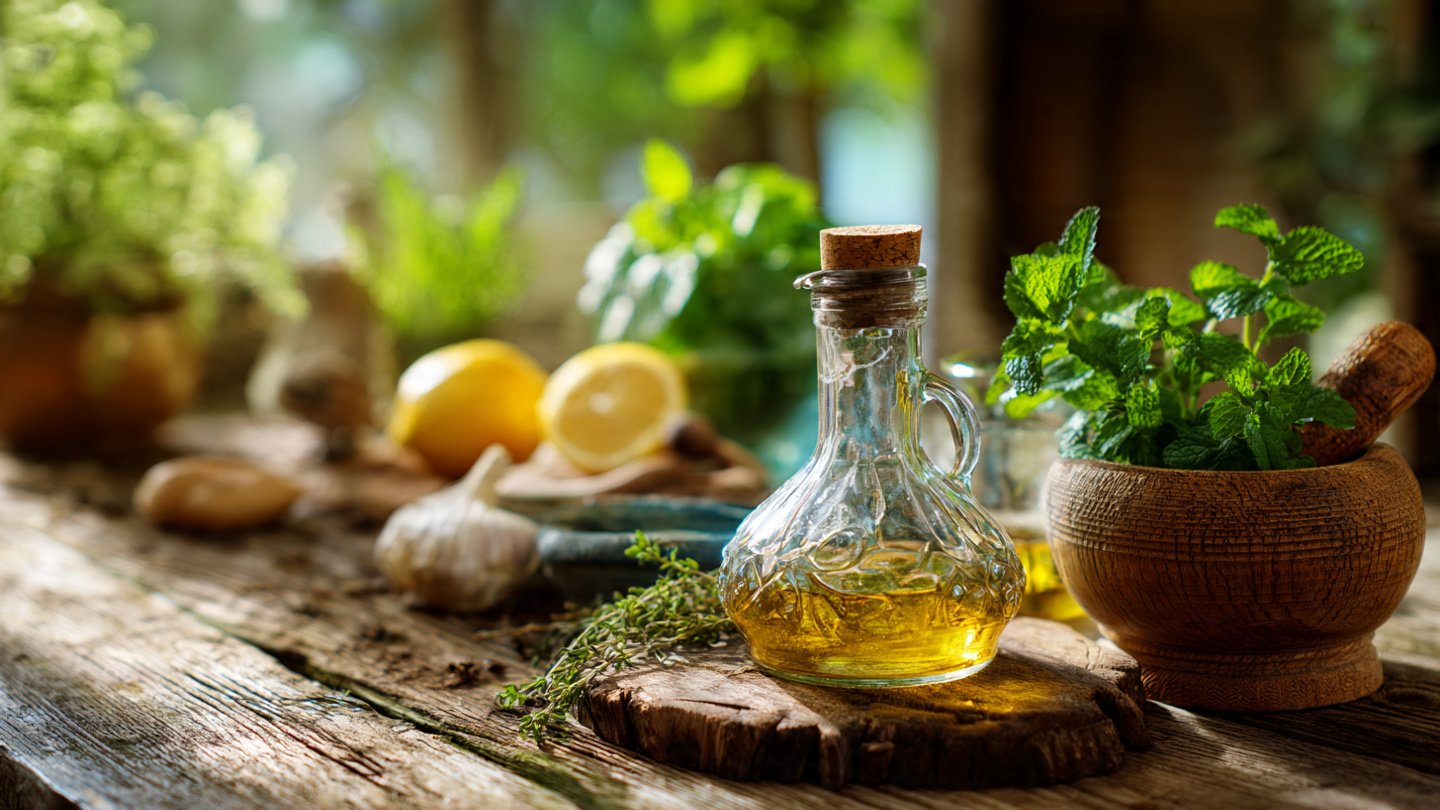
In recent years, a resurgence in the use of home remedies has captivated the attention of many individuals seeking natural solutions for health and wellness. These remedies, often derived from age-old traditions, offer a holistic approach that emphasizes the connection between the body and mind. However, the true potency of these natural remedies can significantly depend on the preparation and application methodology, underscoring the importance of mindfulness in this process.
Understanding Home Remedies
Home remedies encompass a variety of practices that utilize natural ingredients, such as herbs, spices, fruits, and vegetables, to address health issues. These remedies range from simple concoctions to elaborate treatments, rooted in cultural traditions and often supported by anecdotal evidence. While many people have experienced relief through these methods, the effectiveness often varies, influenced by factors such as ingredient quality, preparation methods, and individual bodily responses.
The Science Behind Home Remedies
Modern science is increasingly validating traditional practices, revealing active compounds in many commonly used natural ingredients. For instance, ginger has well-documented anti-inflammatory properties, turmeric is recognized for its curcumin content, and garlic is praised for its immune-boosting capabilities. However, what many fail to realize is that optimal results are often contingent not only upon the ingredients themselves but also on how they are prepared and integrated into one’s lifestyle.
The Role of Mindfulness in Preparation
Mindfulness, in this context, refers to the practice of being fully present and engaged in the moment while preparing and using home remedies. This approach enhances both the mental and physical effects of the remedies, promoting a holistic sense of well-being. The benefits of mindful preparation are vast and multifaceted, encompassing various aspects.
1. Enhancing Awareness
Mindfulness cultivates a heightened awareness of the ingredients used in home remedies. By paying attention to the sourcing, quality, and freshness of the ingredients, individuals can ensure they are using the most effective materials. Consider a simple remedy like a herbal tea; using freshly dried herbs can make a remarkable difference in flavor and potency compared to stale ones.
2. Fostering Connection
Preparing home remedies mindfully fosters a deeper connection not only with the ingredients but also with the self. Engaging in the process—measuring, chopping, mixing—invites individuals to be present, thereby enabling them to connect with their body’s needs. This connection can enhance the remedy’s effectiveness; for instance, when individuals prepare a soothing balm, their intention and focus can translate into a more nurturing experience.
3. Reducing Stress
Stress is an adversary of wellness. Mindfulness acts as a buffer, reducing anxiety and promoting relaxation during the preparation phase. This psychological benefit can enhance the efficacy of the remedy; by preparing a calming lavender sachet, the act of inhaling the aroma while creating it can initiate a relaxation response even before the remedy is utilized.
4. Intentionality in Health Practices
When preparing home remedies with mindfulness, individuals imbue their practices with intention. Intention can be a powerful catalyst for health outcomes. For example, a person who prepares a detoxifying smoothie with a conscious intention to nourish their body is likely to experience both psychological and physiological benefits, as the body responds more favorably to intentional actions.
Strategies for Mindful Preparation of Home Remedies
To harness the full potential of home remedies, implementing mindful preparation techniques can make a significant difference. Here are several strategies to consider:
1. Set the Scene
Create an environment conducive to mindfulness. Choose a quiet space free from distractions where you can focus solely on the preparation process. Consider incorporating calming music, scents, or lighting to establish a serene atmosphere.
2. Practice Gratitude
Before beginning, take a moment to express gratitude for the ingredients at hand and their healing properties. Acknowledging the effort that went into sourcing the ingredients can foster a greater appreciation and enhance the energy put into the remedy.
3. Engage Your Senses
While preparing the remedy, engage all your senses—notice the colors, textures, and aromas of the ingredients. This sensory engagement promotes mindfulness and creates a more enriching experience, which can amplify the remedy’s effects.
4. Slow Down
Take your time during the preparation process. Rushing through steps can detract from the effectiveness of the remedy. Instead, embrace a slower pace that allows for thoughtful actions and reflection.
5. Reflect on Your Intentions
Before using the remedy, pause to reflect on your intentions regarding your health and wellness. This practice not only prepares your mindset but also fosters a stronger connection with the remedy, enhancing its potential benefits.
Examples of Mindful Preparation of Home Remedies
To illustrate the impact of mindful preparation, consider a few examples of commonly used home remedies.
1. Herbal Teas
Preparation: Start by selecting fresh herbs like chamomile for relaxation or peppermint for digestion. As you rinse the herbs, focus on the freshness, appreciating the colors and textures. While boiling water, take deep breaths and visualize the benefits of the tea.
Mindful Practice: When steeping, pay attention to the aromas released and take a moment to express gratitude for the nourishing properties of the herbs. Savor each sip while reflecting on the soothing experience.
2. Honey and Ginger Tonic
Preparation: Chop fresh ginger root while being aware of its unique aroma and texture. Combine with raw honey in a small glass jar, feeling the sticky sweetness.
Mindful Practice: Visualize the benefits this tonic will bring in soothing a sore throat or boosting immunity. Take your time stirring the mixture, allowing intent to infuse each movement.
3. Essential Oil Blends
Preparation: Gather essential oils based on their intended effects—lavender for relaxation, eucalyptus for congestion. As you mix the oils, focus on the scent and the memories or feelings they evoke.
Mindful Practice: Reflect on your emotional state and physical needs before applying the oil. Apply the blend with gentle, mindful movements, ensuring to focus on the sensations in your body.
Conclusion
The integration of mindfulness into the preparation of home remedies enriches the experience and enhances their effectiveness. As individuals become more aware of their actions, intentions, and the ingredients used, the overall health benefits are amplified. Whether it’s a simple herbal tea or a complex essential oil blend, taking the time to prepare with mindfulness can lead to profound changes in health and wellness.
In a fast-paced world where convenience often overshadows quality, returning to mindful practices in the kitchen can cultivate a deeper appreciation for one’s health and well-being. The act of preparing home remedies becomes not just a means to an end, but a journey of self-discovery, connection, and holistic wellness.
By incorporating these mindful practices into everyday life, individuals can unlock the full potential of their home remedies and foster a more balanced and health-conscious lifestyle. In doing so, they not only address physical ailments but also nurture their minds and spirits, resulting in a more comprehensive approach to health and wellness.