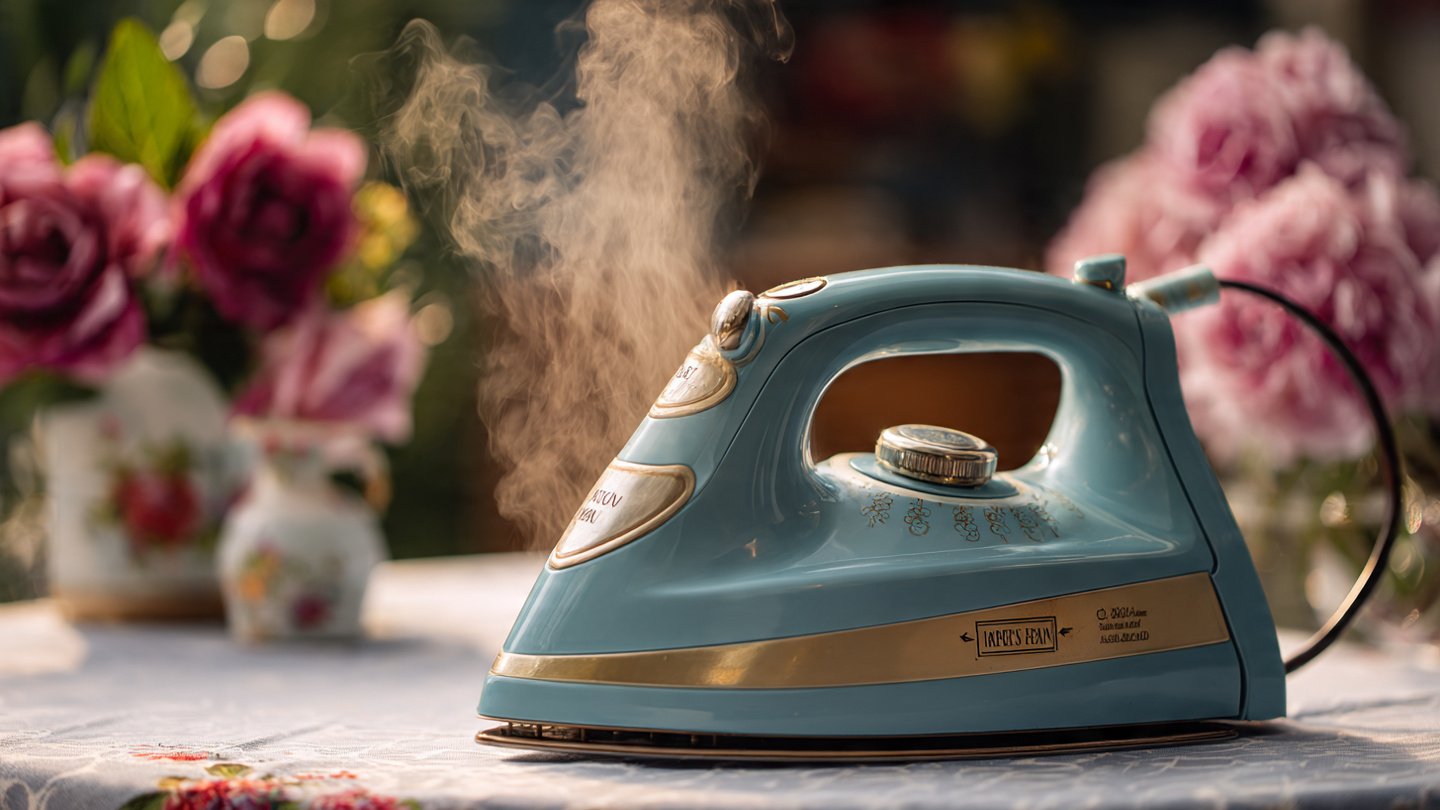
Electric irons are essential household appliances, helping us maintain crisp, wrinkle-free clothes. However, many users experience a burnt smell emanating from their irons at some point. This unpleasant odor can be alarming, prompting concerns about safety, appliance efficiency, and garment care. Understanding the underlying causes of this burnt smell is crucial for both effective troubleshooting and long-term maintenance of your electric iron. This article delves into the various factors that can lead to the burnt smell in electric irons, potential solutions, and preventive measures.
1. The Basics of How an Electric Iron Works
Before diving into the causes of the burnt smell, it’s essential to grasp how an electric iron operates. An electric iron typically comprises a heating element, a soleplate, a thermostat, and an insulated handle. When plugged in, electricity flows through the heating element, generating heat, which is then transferred to the soleplate. The thermostat regulates the temperature, ensuring that the iron does not overheat and damage both the appliance and the fabrics being ironed.
2. Common Causes of Burnt Smell in Electric Irons
A. Overheating
One of the primary reasons for a burnt smell in electric irons is overheating. When the iron reaches excessive temperatures, it can cause the materials in the soleplate or the adhesive used in the iron’s construction to burn. Overheating can occur due to:
- Faulty Thermostat: If the thermostat malfunctions, it may not regulate the temperature effectively, causing the iron to overheat.
- Long Continuous Use: Prolonged use of the iron without breaks can cause it to overheat, especially if it is set to high temperatures.
- Insulation Issues: Worn-out components or insulation may lead to overheating by failing to retain heat properly.
B. Accumulated Residue
Another prevalent cause of a burnt smell is the accumulation of residue on the soleplate. This residue can be from:
- Starch or Fabric Softeners: These products can build up on the soleplate, leading to a burnt smell when heated.
- Food Particles: If the iron is used to press fabric that has been in contact with food, residues may get stuck to the soleplate, burning when heated.
Accumulated residues not only contribute to unpleasant odors but can also affect the efficiency of the iron and damage fabrics.
C. Worn Out or Damaged Cord
The electrical cord of an iron can also be a source of burnt smells. If the cord is frayed, damaged, or has loose connections, it can overheat, leading to a burning odor. This is a serious safety concern, as it can pose a fire risk.
D. Internal Component Failure
Electric irons contain various internal components that can fail over time. Components such as the heating element, wiring, or circuit board may overheat or short-circuit, leaving a burnt odor. Regular use can lead to wear and tear, necessitating professional repairs or replacement.
E. Incorrect Temperature Settings
Using the iron at an inappropriate temperature setting for the fabric being pressed can lead to a burnt smell. For instance, high heat settings can burn delicate fabrics, leaving them with an unpleasant odor. It’s crucial to adjust the temperature according to the fabric type to avoid damage and subsequent smells.
3. Safety Concerns Related to Burnt Smells
While a burnt smell can be an annoyance, it can also indicate potential safety hazards:
- Fire Risk: Overheating components, especially frayed cords, can lead to electrical fires. If you detect a burnt smell, it’s essential to disconnect the iron immediately and inspect it.
- Toxic Fumes: Some burnt smells may emit harmful fumes, especially if synthetic materials are burning. It’s advisable to ensure proper ventilation to avoid health issues.
- Equipment Damage: Persistent overheating may damage internal components beyond repair, leading to more significant investments in appliance replacement.
4. Troubleshooting Your Electric Iron
If you identify a burnt smell while using your electric iron, follow these troubleshooting steps:
A. Turn Off and Unplug
The first and foremost step is to turn off and unplug the iron to prevent further overheating and potential hazards.
B. Inspect the Cord
Examine the power cord for signs of fraying or damage. If it appears worn out, consider replacing it or seeking professional service.
C. Check the Soleplate
Inspect the soleplate for residue buildup. If you notice any deposits, clean the soleplate using a specialized cleaner or a mixture of vinegar and water. Always allow the iron to cool down before cleaning.
D. Examine the Thermostat
If you suspect a faulty thermostat, consider contacting a professional technician for an inspection or repair. A malfunctioning thermostat can lead to safety risks.
E. Adjust Temperature Settings
Ensure that you are using the appropriate temperature setting for the fabric being ironed. Always refer to the fabric care labels to choose the correct heat setting.
5. Cleaning Your Electric Iron
Regular cleaning can help prevent burnt smells and maintain your electric iron’s efficiency. Here’s how to keep it clean:
A. Soleplate Cleaning
- Vinegar or Baking Soda: Make a paste using baking soda and water. Apply it to the soleplate, let it sit for a few minutes, and then wipe it off with a damp cloth. For stubborn stains, white vinegar can be used to loosen deposits.
- Specialty Cleaners: There are specific iron cleaners available in the market designed to remove residues without damaging the soleplate.
B. Water Tank Maintenance
If your iron has steam functionality, mineral deposits can accumulate in the water tank over time, leading to odors. Regularly clean it using equal parts of vinegar and water. Run the mixture through the steam holes but ensure to rinse thoroughly afterward to prevent any vinegar smell.
6. Preventive Measures
To avoid encountering burnt smells in the future, consider the following preventive measures:
A. Use Appropriate Fabrics
Avoid using the iron on fabrics that cannot withstand high heat. Always refer to labels for guidance on the ideal settings.
B. Regular Maintenance
Implement a routine for regular cleaning and inspections of your iron. This practice will help identify potential issues before they escalate.
C. Mind the Usage Time
Give your iron breaks during long ironing sessions. This will help prevent overheating, extending the appliance’s lifespan.
D. Store Properly
When not in use, store your iron in a cool, dry place with the soleplate facing up. This will help prevent any buildup of residues or accidents from falling items.
7. Conclusion
A burnt smell from your electric iron is often a signal that something may be amiss. Whether it is due to overheating, accumulated residue, or internal component failure, early identification of the issue is crucial for both safety and the longevity of your appliance. By understanding the causes and implementing regular maintenance and preventive measures, you can keep your electric iron functioning effectively and odor-free. Always prioritize safety, and when in doubt, consult a professional for repairs or replacement. Investing time into understanding your appliance will ultimately lead to better care of your garments and, most importantly, a safer home environment.