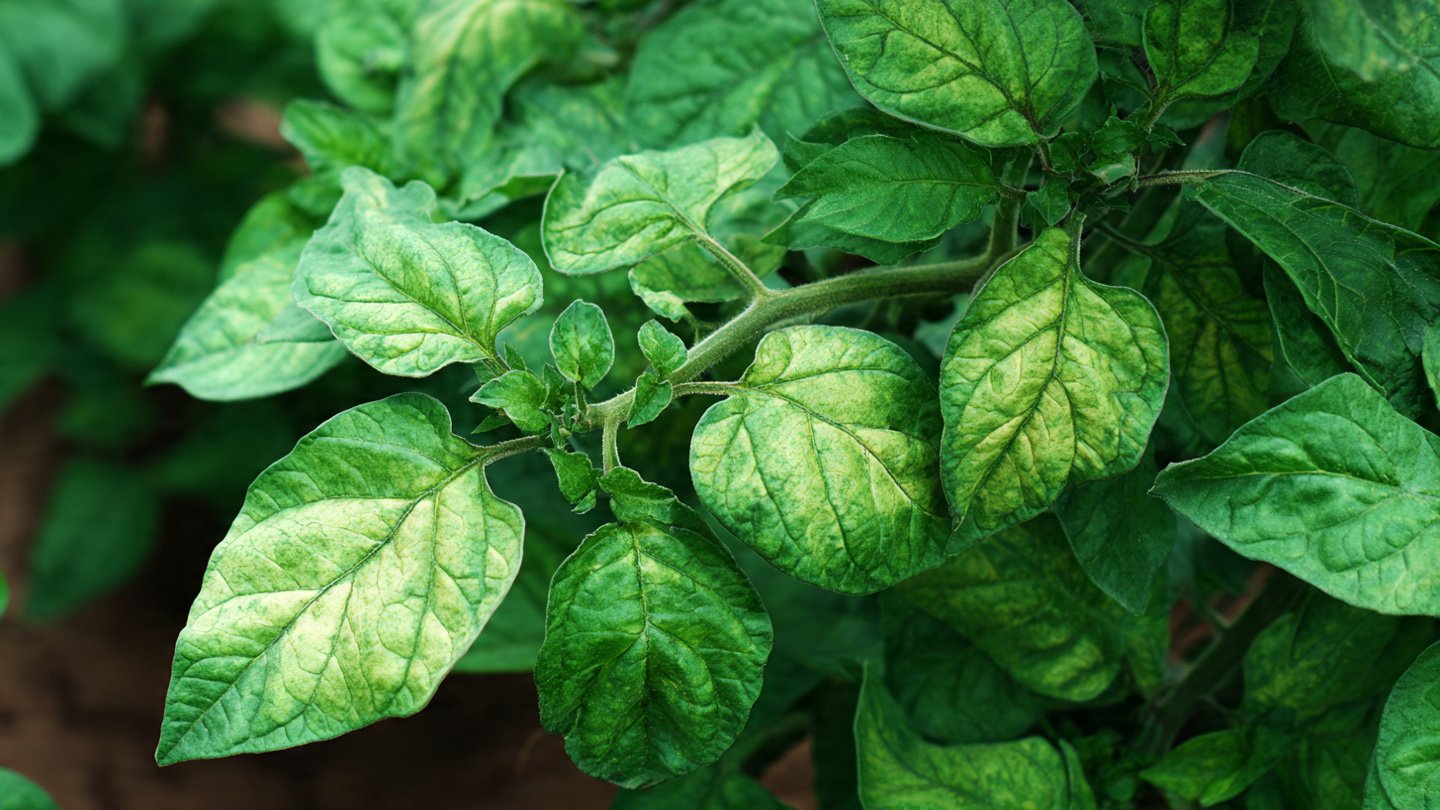
The kitchen garden is a cherished space for many home gardeners, providing fresh produce and a therapeutic outlet. Yet, one of the most distressing problems that can arise is the appearance of dull leaves on plants. Dullness in leaves can signal various underlying issues ranging from nutrient deficiencies to environmental stressors. Understanding these causes can help gardeners diagnose and remedy problems effectively, leading to healthier plants and a more bountiful harvest.
The Importance of Leaf Health
Before delving into the causes of dull leaves, it is vital to understand why leaf health is crucial. Leaves are the primary sites for photosynthesis, where plants convert sunlight into energy. Healthy, vibrant green leaves indicate a thriving plant capable of robust growth. Conversely, dull leaves may hinder photosynthesis, stunting growth and reducing yield. Therefore, addressing the root causes of leaf dullness is essential for the overall health of kitchen garden plants.
Common Causes of Dull Leaves
1. Nutrient Deficiencies
Nitrogen Deficiency:
Nitrogen is a crucial nutrient for plants, as it is a vital component of chlorophyll, the pigment responsible for the green color of leaves. A lack of nitrogen can result in yellowing and dullness, typically starting with older leaves. As nitrogen is mobile within the plant, older leaves show symptoms first as the plant reallocates this essential nutrient to new growth. To address nitrogen deficiency, gardeners can incorporate organic fertilizers such as compost or fish emulsion.
Iron Deficiency:
Iron is another essential nutrient that contributes to the formation of chlorophyll. Iron deficiency often presents as interveinal chlorosis, where the leaf tissue between the veins turns yellow while the veins remain green. This can lead to dull-looking leaves and stunted growth. Amendments like chelated iron or iron sulfate can help rectify this issue.
Magnesium Deficiency:
Magnesium is critical for chlorophyll production as well. A deficiency can cause dull, yellowing leaves with a characteristic mottled appearance. Adding Epsom salts, which contain magnesium sulfate, to the soil can help correct this deficiency.
2. Environmental Stressors
Water Stress:
Both overwatering and underwatering can lead to dull leaves. Overwatered plants often exhibit dull, droopy leaves due to root rot, while underwatered plants tend to have dry, crispy leaves that lack vitality. Maintaining consistent watering practices and ensuring well-draining soil can mitigate these issues.
Temperature Extremes:
Extreme temperatures, whether too hot or too cold, can significantly affect leaf health. High temperatures can cause plants to conserve water, leading to dull, stressed-looking leaves. Conversely, cold temperatures can slow down metabolic processes, affecting leaf pigmentation and overall health. Using shade cloth in summer and protective coverings in winter can help manage temperature stress.
3. Pests and Diseases
Pests:
Various pests can sap a plant’s vigor and cause dull leaves. Aphids, spider mites, and whiteflies are notorious for sucking sap from leaves. Infested plants may exhibit dull, blemished leaves alongside visible pests. Control measures include insecticidal soaps, neem oil, or introducing natural predators.
Fungal Diseases:
Fungal infections like powdery mildew can lead to dull, discolored leaves. Along with dullness, the leaves may have a distinctive powdery coating. Ensuring good air circulation and applying appropriate fungicides can help combat these issues.
Bacterial Infections:
Bacterial diseases can also cause leaf dullness, often accompanied by wilting and discoloration. These diseases require careful management, often involving the removal of infected plants and improving overall garden hygiene.
4. Soil Quality
pH Imbalance:
The soil’s pH affects nutrient availability. A pH that is too high or too low can prevent plants from accessing essential nutrients, leading to dull, unhealthy leaves. Most garden plants thrive in a pH range of 6.0 to 7.0. Regular soil testing can help determine pH levels, and amendments like lime or sulfur can adjust it to optimal levels.
Compacted Soil:
Compacted soil can restrict root growth and hinder water and nutrient uptake. Plants in compacted soil may display dull leaves as they struggle to access the resources they need. To improve soil structure, adding organic matter such as compost can help aerate the soil and encourage healthy root development.
5. Sunlight Exposure
Insufficient Light:
Plants require adequate light for photosynthesis. If they receive insufficient sunlight, the leaves may lose their vibrancy and appear dull. Each plant species has specific light requirements; therefore, understanding the needs of individual plants is crucial. Relocating plants to sunnier spots or utilizing grow lights can help alleviate this problem.
Excessive Light:
Conversely, too much direct sunlight can cause leaf scorch, leading to dull, crispy leaves. Plants in such conditions may need some shade during peak sunlight hours. Using shade cloth or strategically placing taller plants to provide shade can help.
Diagnosing Precision
Diagnosing the cause of dull leaves can be challenging, as multiple factors often interplay. Gardeners are encouraged to approach the problem methodically:
-
Observation:
Carefully examine the affected plants. Look for signs of pest infestation, discoloration patterns, or other symptoms like wilting or stunted growth. -
Soil Test:
Conduct a soil test to check nutrient levels and pH balance. Many gardening centers offer testing kits or services. -
Watering Practices:
Evaluate watering practices to ensure consistency and adequacy. -
Environmental Factors:
Consider the overall environment, including temperature range, humidity, and light exposure. -
Plant Type Assessment:
Different plants have unique needs. Understanding the specific requirements for each type of plant in your garden can help tailor care strategies.
Preventive Measures
-
Soil Health: Regularly amend soil with organic matter, compost, and mulch to improve structure and nutrient content.
-
Diversity: Plant a diverse array of species to promote a resilient garden ecosystem. Companion planting can deter pests and enhance soil health.
-
Regular Monitoring: Keep an eye on plants for any early signs of distress. Early detection can often prevent more severe issues.
-
Fertilization: Use balanced fertilizers to ensure plants receive necessary nutrients, following the recommendations based on soil test results.
-
Appropriate Spacing: Ensure plants are spaced correctly to promote healthy air circulation and light penetration.
-
Fostering Biodiversity: Encourage beneficial insects and pollinators by planting native species and avoiding harmful pesticides.
Conclusion
Dull leaves in kitchen garden plants can stem from a variety of causes, including nutrient deficiencies, environmental stressors, pest infestations, and soil quality. Understanding these factors is essential for diagnosing issues and implementing effective solutions. Through careful observation, regular maintenance, and preventive measures, gardeners can promote vibrant, healthy foliage and cultivate flourishing kitchen gardens. Healthy plants not only enhance the garden’s aesthetic but also provide a dependable source of fresh, nutritious produce for the home. In the end, investing time in understanding and addressing the causes of dull leaves will pay dividends for both the gardener and the kitchen table.