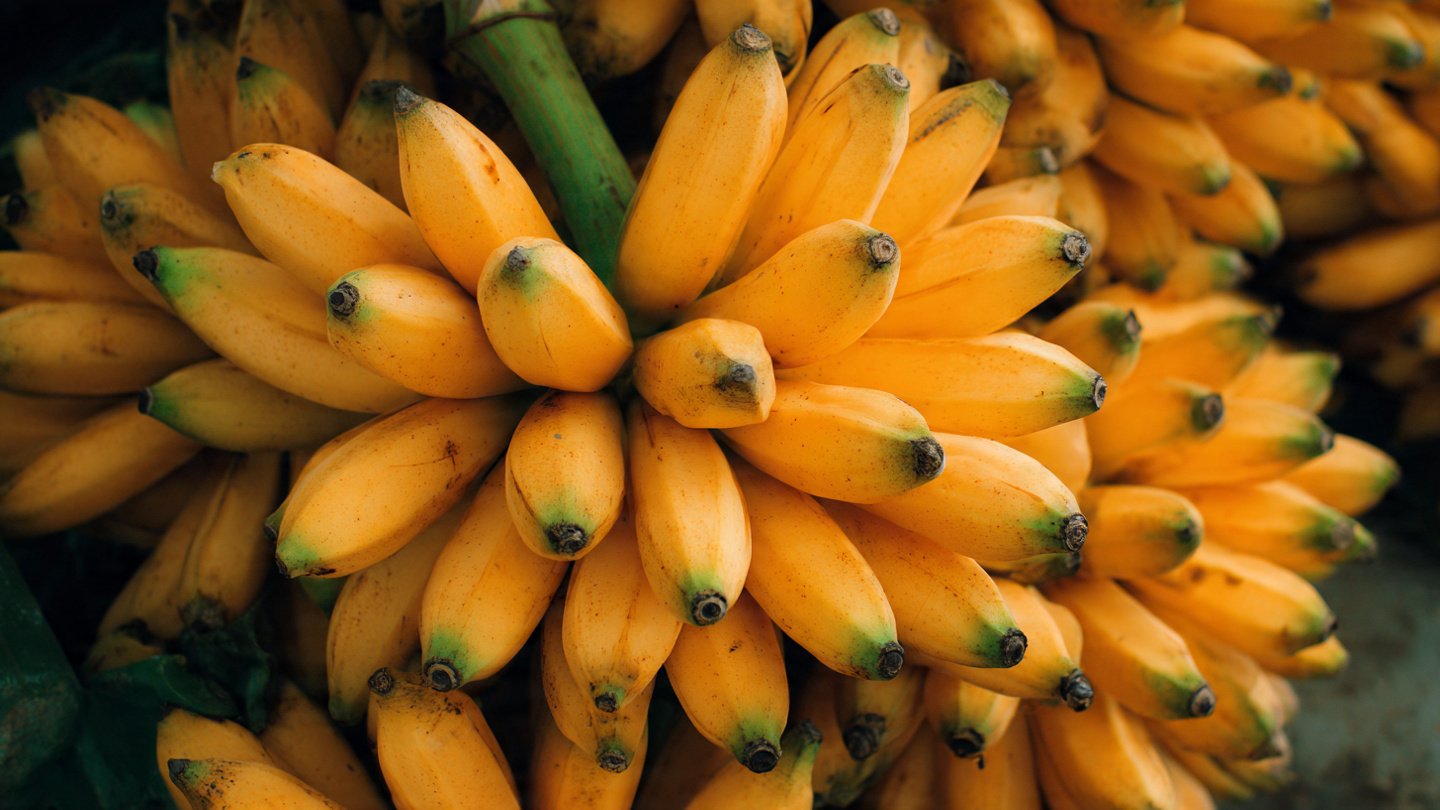
Fruits are among the most cherished foods globally, valued for their nutritional benefits, flavor, and versatility. However, the phenomenon of overripening poses a significant challenge for producers, retailers, and consumers alike. Overripening refers to the point at which fruit exceeds its optimal ripeness, leading to spoilage and reducing its quality. This article seeks to explore the causes of fruit overripening in short time frames, offering insights into the biological, environmental, and handling factors that contribute to this common issue.
1. The Ripening Process
Before delving into the causes of overripening, it’s essential to understand the ripening process itself. Ripening is a complex series of biochemical changes that transform a fruit from an immature state to one that is palatable and suitable for consumption. This process involves the production of ethylene, a plant hormone that accelerates ripening, affecting color, texture, flavor, and aroma.
Fruits can be categorized into climacteric and non-climacteric types. Climacteric fruits, such as bananas and tomatoes, continue to ripen after harvest, while non-climacteric fruits, like strawberries and grapes, do not. The nuances of the ripening process play a crucial role in understanding how and why fruits can overripen rapidly.
2. Environmental Factors
a. Temperature
One of the most significant environmental factors affecting ripening is temperature. Fruits are highly sensitive to temperature fluctuations, which can accelerate the ripening process.
- Heat Accumulation: Higher temperatures increase metabolic rates, leading to accelerated ripening. For instance, bananas stored at temperatures above 20°C (68°F) will ripen much faster than those kept at cooler temperatures.
- Cold Storage: Conversely, cold temperatures can slow down ripening but can also lead to chilling injury in some fruits, such as bananas and avocados, which can cause abnormal ripening and faster overripening once they return to normal temperatures.
b. Humidity
Humidity also plays a crucial role in fruit ripening and overripening. High humidity levels can foster the growth of mold and bacteria, which can lead to spoilage.
- Moisture Loss: Conversely, low humidity can cause fruits to lose moisture, becoming shriveled and overripe more quickly due to water stress.
- Balanced Conditions: Maintaining a balanced humidity level during storage and transit helps prevent premature overripening by avoiding excessive spoilage or dehydration.
c. Ethylene Exposure
As mentioned earlier, ethylene is a natural plant hormone produced during ripening.
- Ethylene Sensitivity: Many fruits, particularly climacteric ones, are sensitive to ethylene. Exposure to high concentrations of ethylene can cause fruits to overripen rapidly. This is often an issue in storage areas where multiple types of fruits are stored together, as the ethylene released by ripening fruits can affect nearby produce.
- Controlled Atmosphere Storage: Implementing controlled atmosphere storage, where ethylene levels and oxygen concentrations are monitored and regulated, can help manage ripening rates and prevent overripening.
3. Handling Factors
a. Mechanical Damage
Physical damage to fruits during handling can accelerate the overripening process.
- Bruising and Cuts: When fruits are bruised or cut, their cellular structure is compromised, leading to increased ethylene production and susceptibility to pathogens.
- Transportation Practices: Improper handling during transportation, such as stacking heavy boxes on top of delicate fruits, can exacerbate these issues, leading to quicker overripening.
b. Packaging
The choice of packaging can also influence the rate of overripening.
- Ventilation: Packaging that does not allow for air circulation can create a microclimate of high humidity and ethylene concentration around the fruit, accelerating ripening.
- Material Selection: Using breathable packaging materials allows for proper gas exchange and can help regulate the ripening process.
4. Biological Factors
a. Genetic Factors
Different fruit varieties exhibit varying ripening characteristics, including susceptibility to overripening.
- Ripening Genes: Some fruits possess specific genes that regulate their ripening process. Variations in these genes can lead to discrepancies in how quickly fruit can ripen and overripen.
- Cultivar Characteristics: Certain cultivars may be bred for longer shelf life and slower ripening rates, which can influence post-harvest behavior significantly.
b. Fungal and Bacterial Infection
Microbial activity can also hasten the overripening process.
- Pathogen Entry: Fruits that are damaged or have compromised skins are more susceptible to infections by fungi and bacteria, which can accelerate breakdown and overripening.
- Controlled Storage Conditions: Managing storage conditions to limit microbial growth can be essential in prolonging the shelf life of fruits.
5. Consumer Behavior
Consumer handling of fruits significantly affects their shelf life and the extent of overripening.
a. Purchase and Storage Practices
- Home Storage: Improper storage practices at home can lead to overripening. For instance, placing fruits in direct sunlight or in warm environments can accelerate ripening.
- Ethylene Producers: Storing fruits alongside ethylene-producing items, like ripe avocados or bananas, can significantly influence their ripening rate.
b. Expectations and Consumption Patterns
- Ripe vs. Overripe: Consumer preferences for ‘perfectly ripe’ fruits may lead to purchasing some fruits that are already on the edge of overripeness, leading to a shorter window for consumption.
6. Conclusion
Understanding the causes of fruit overripening in short time frames is essential for various stakeholders in the fruit supply chain, including producers, retailers, and consumers. By recognizing the intricate interplay of environmental, handling, biological, and consumer factors, strategies can be developed to mitigate overripening.
Management techniques such as controlled atmosphere storage, careful handling practices, and consumer education on optimal storage conditions can significantly enhance the shelf life of fruits. Ultimately, reducing the incidence of overripening can lead to decreased food waste, improved quality, and enhanced consumer satisfaction.
As the demand for fresh produce continues to rise globally, addressing the challenges of fruit overripening becomes increasingly important. By leveraging scientific advancements and adopting better practices, the goal of enjoying fresh, high-quality fruits can be not only met but sustained well into the future.