A clean kitchen is the heart of a healthy home. It’s where meals are prepared, memories are created, and comfort food is made. However, keeping the kitchen tools clean can sometimes feel like a daunting task. Proper maintenance not only ensures hygiene but also prolongs the life of your utensils and appliances. Here’s a comprehensive guide on simple daily habits you can adopt to maintain clean kitchen tools effortlessly.
1. Establish a Cleaning Routine
Morning Rituals
Start your day with a quick wash of essential kitchen tools. As part of your morning routine, make it a habit to rinse off knives, cutting boards, and any bowls or utensils you used the night before. This small act can set the tone for the day and avoid clutter later on.
Evening Cleanup
End your day by giving your kitchen a thorough cleaning. Take 5-10 minutes to wash the dishes and wipe down surfaces. A quick clean-up before you head to bed can prevent unpleasant surprises in the morning, such as dried food residues or an overflowing sink.
2. Designate a Cleaning Zone
Organize Your Workspace
Dedicate specific areas in your kitchen for tools and ingredients. An organized workspace makes it easier to keep everything tidy. When you have a specific place for your knives, spatulas, and measuring cups, returning them to their designated spots becomes a habit.
Use Storage Solutions
Invest in bins, caddies, and drawer organizers. By categorizing utensils—such as keeping spatulas in one drawer and knives in another—you can quickly grab what you need without creating a mess.
3. Clean As You Go
Multi-tasking While Cooking
One of the simplest habits to adopt is cleaning while you cook. As you chop vegetables or sauté meat, rinse and place utensils in the sink or dishwasher. This practice helps minimize the workload after a meal.
Use Bowls for Prep
When preparing ingredients, use separate bowls for spices, chopped vegetables, or meats. After each prep step, clean the bowl before moving on to the next. This prevents cross-contamination and ensures that your tools remain clean.
4. Invest in Quality Tools
Durable Materials
Investing in high-quality kitchen tools made from stainless steel, silicone, or glass can simplify cleaning. These materials are usually easier to maintain and withstand rigorous use. For instance, stainless steel knives can be easily cleaned and sharpened, while silicone utensils can be placed directly in the dishwasher.
Easy-to-Clean Gadgets
Choose gadgets that are easy to disassemble and clean. For example, blenders with detachable blades or food processors with removable containers allow for efficient cleaning.
5. Use the Right Cleaning Products
Natural Cleaners
Opt for natural cleaning solutions, such as vinegar and baking soda, which are effective yet gentle on your kitchen tools. Vinegar is excellent for cutting through grease, while baking soda acts as a mild abrasive.
Specialized Products
For some tools, consider using specialized cleaners. For example, wooden cutting boards can benefit from mineral oil treatments, while non-stick pans require specific cleaners to maintain their coating.
6. Implement Safe Washing Techniques
Hand Washing vs. Dishwasher
Decide whether to hand wash or use a dishwasher based on your kitchen tools. While most utensils can be thrown into the dishwasher, some delicate items like wooden spoons or certain types of knives may require hand washing to prevent damage.
Proper Scrubbing Techniques
Use the right scrubbing pads or brushes based on the material of your tools. A soft sponge is ideal for non-stick pans, while a stronger scrub pad may be required for tougher grime on stainless steel.
7. Practice Regular Maintenance
Schedule Deep Cleaning
In addition to daily habits, schedule a deep cleaning of your kitchen tools weekly or biweekly. This involves more thorough washing, sanitizing, and inspecting for wear and tear.
Check for Damage
Regularly inspect your utensils and appliances for any signs of damage. A chipped knife or worn-out cutting board can harbor bacteria, so it’s crucial to address these issues promptly.
8. Store Tools Properly
Avoid Clutter
Avoid overcrowding kitchen cabinets and drawers. Clutter can lead to damaged tools and a messy workspace. Only keep tools you need and regularly use. Donate items that you no longer need.
Use Hanging Solutions
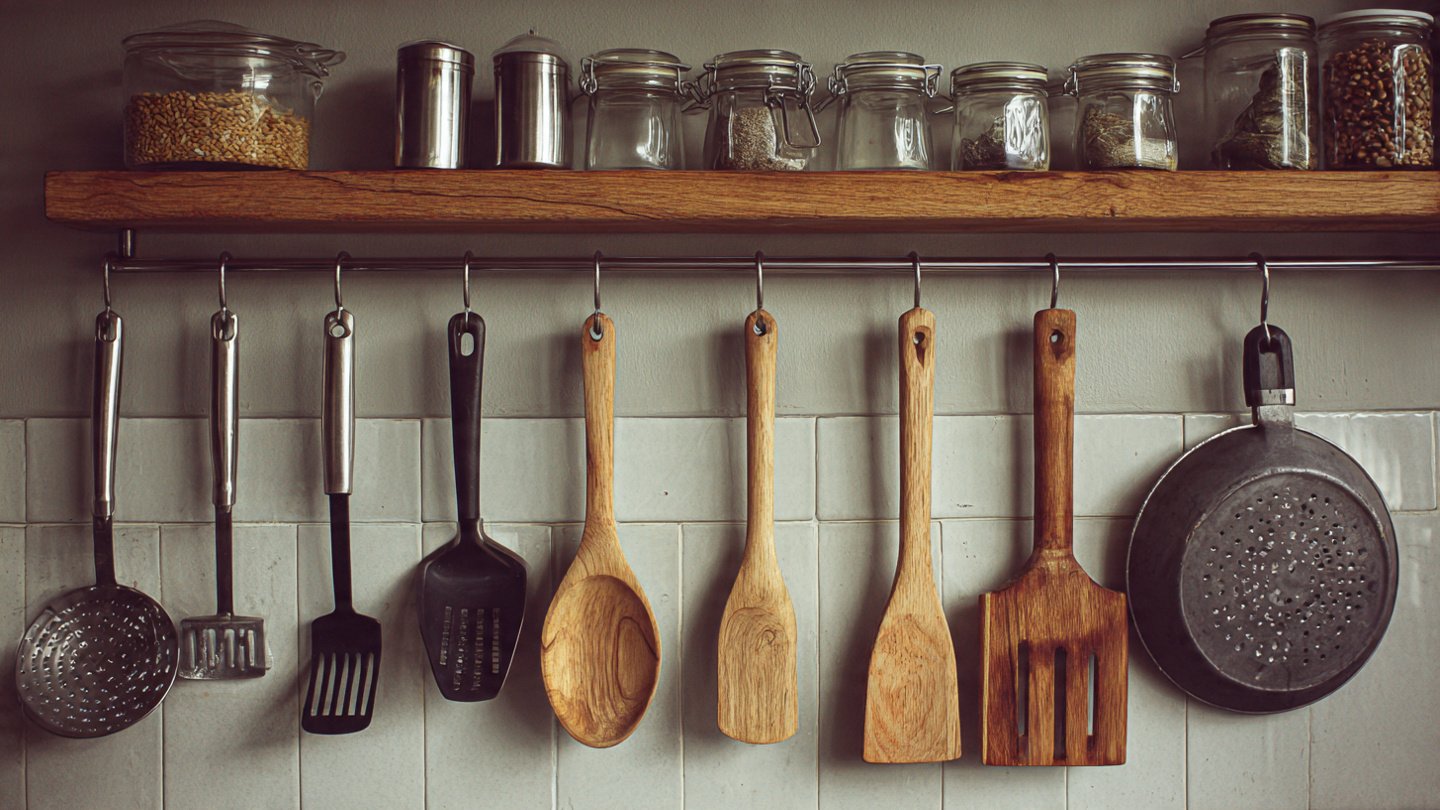
For tools like pots and pans, consider using wall-mounted racks or magnetic strips to hang them. This not only saves space but also makes it easier to access your tools without rummaging through cabinets.
9. Leverage Technology
Dishwasher Settings
If you’re using a dishwasher, familiarize yourself with its settings and capabilities. Some machines come with specialized functions for washing different types of kitchenware, ensuring that your tools remain in top condition.
Kitchen Apps
Use apps to manage your kitchen inventory and remind you when it’s time to clean or replace items. Keeping a digital checklist can streamline your cleaning habits.
10. Encourage Family Participation
Involve Everyone
If you live with family or roommates, make cleaning a shared responsibility. Assign specific kitchen tasks or cleaning days, so everyone contributes to maintaining a clean kitchen.
Set a Good Example
Model good cleaning habits for others in your home. When they see you consistently maintaining clean kitchen tools, they are more likely to follow suit.
Conclusion
Maintaining clean kitchen tools need not be a daunting task. By adopting simple daily habits and routines, you can create a more organized and hygienic cooking environment. Whether you’re a seasoned chef or a novice cook, these practices will not only improve your cooking experience but will ensure that your kitchen remains a welcoming place for all. Remember, a little effort daily prevents big messes down the line, making your culinary space enjoyable and safe for everyone involved. Happy cooking!