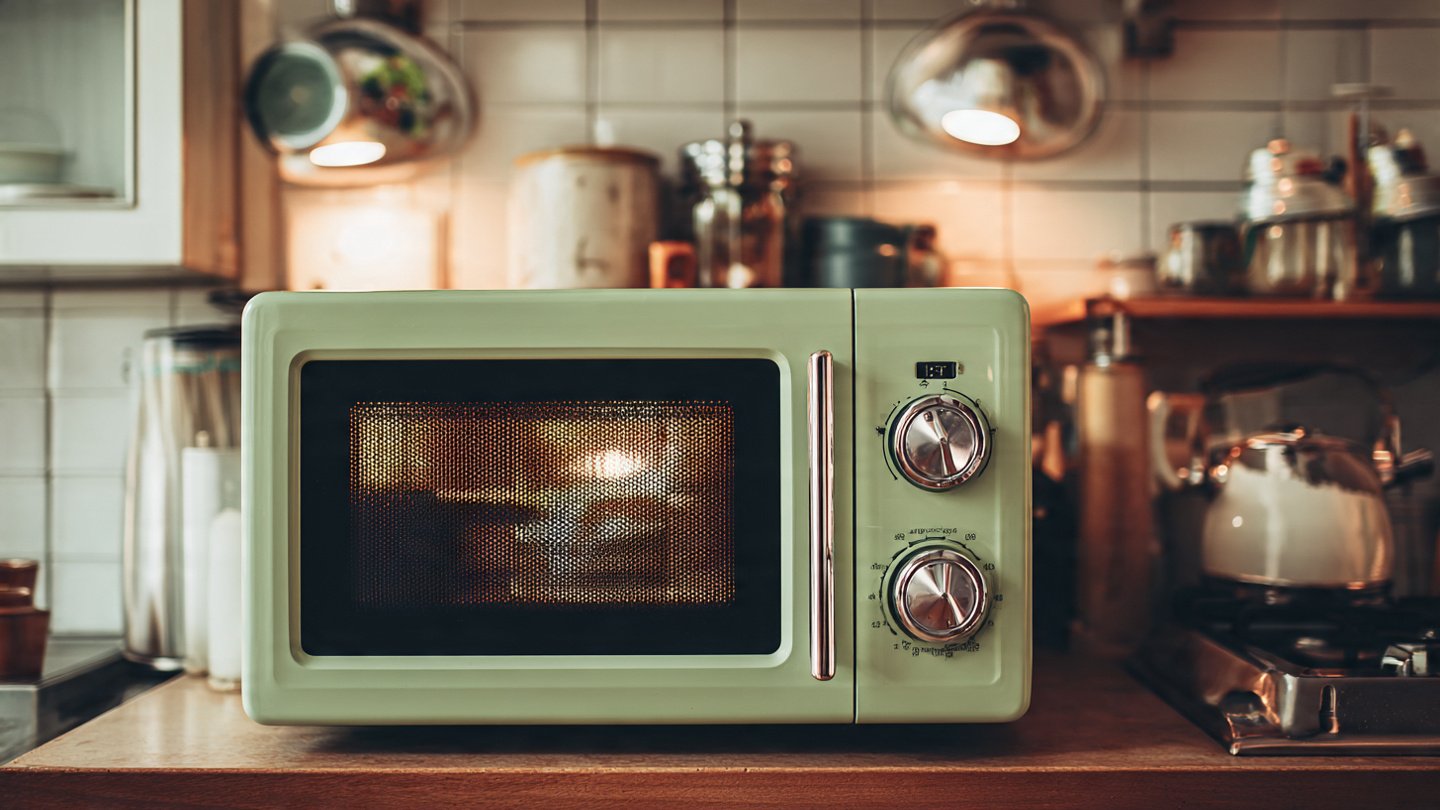
Microwaves have revolutionized cooking, making meal preparation quicker and more convenient than ever before. However, with this convenience comes a need for responsibility, particularly concerning safety. A simple daily habit can significantly enhance microwave safety—taking a moment to inspect your microwave before each use. This article will explore the importance of this habit, the risks associated with improper microwave usage, and practical steps for enhancing safety.
The Microwave: A Modern Culinary Marvel
Before diving into safety habits, it’s essential to understand the microwave’s function. Microwaves heat food by causing water molecules to vibrate rapidly, which generates heat. This process is efficient and time-saving, making microwaves a staple in most households. However, improper use can lead to hazards, including fires, burns, and health risks.
Common Microwave Hazards
-
Food Explosions: Certain foods like eggs and potatoes can explode if not properly vented. The steam builds up inside, creating high pressure that ultimately leads to a messy—and sometimes dangerous—situation.
-
Uneven Heating: Microwaves can heat food unevenly, causing some parts to be scalding hot while others remain cold. This is particularly concerning when reheating leftovers, as bacteria can thrive in cooler sections.
-
Container Safety: Not all containers are microwave-safe. Some materials can leach harmful chemicals into food, while others might melt or ignite.
-
Electrical Risks: Frayed cords or malfunctioning microwaves can pose electrical hazards, including short circuits or fires.
A Simple Daily Habit: Inspection Before Use
To mitigate these hazards, embracing a simple daily habit can go a long way—performing a thorough inspection of your microwave before each use. This minor but crucial step can prevent accidents and ensure the appliance operates safely.
Steps to Perform an Effective Inspection
-
Check the Exterior: Look for visible wear and tear. Ensure that the microwave is clean, as grime or spills can become fire hazards. Wipe down the exterior with a damp cloth to maintain cleanliness.
-
Inspect the Door Seal: The door seal is critical for maintaining microwave safety. Ensure there are no gaps, cracks, or deformities. A damaged seal can lead to radiation leaks, posing health risks. Close the door and listen for any unusual sounds when the microwave is on. A hissing or popping sound could indicate a problem with the door seal.
-
Examine the Interior: Check the microwave’s interior for any leftover food residues or spills. Ensure that the turntable is in place and rotates freely—this ensures even heating and prevents overheating.
-
Review the Power Cord: A frayed or broken power cord can lead to electrical fires. Inspect the cord for any signs of damage. If you notice any, discontinue use immediately and consult a professional.
-
Test Functionality: Before putting your food inside, run a quick test. Place a cup of water in the microwave for one minute and ensure it heats evenly. This test verifies that your microwave is functioning correctly.
-
Use Microwave-Safe Containers: Check that you’re using containers labeled as microwave-safe. Avoid plastic containers that are not designed for microwave use, as they can warp or release harmful chemicals.
Benefits of the Daily Habit
Incorporating this inspection into your daily routine offers several benefits:
-
Prevention of Accidents: Regular checks reduce the chance of accidents, from food explosions to electrical fires. This is particularly important in households with children, where safety is paramount.
-
Enhanced Longevity of the Appliance: A well-maintained microwave will last longer, saving consumers money in the long run. Regular cleaning and inspections can prevent the buildup of grease and grime that may cause malfunctions over time.
-
Improved Food Safety: By ensuring even heating and preventing food contamination, this habit fosters better food safety. It minimizes the risk of foodborne illnesses and ensures that meals are enjoyable and safe.
-
Peace of Mind: Knowing you have taken proactive steps toward safety allows for a stress-free cooking experience. You can focus on preparing meals without worrying about potential hazards.
Additional Microwave Safety Tips
While the daily inspection is crucial, here are more tips to enhance microwave safety:
-
Use a Microwave Cover: Using a microwave-safe cover can help prevent food splatters, making cleaning easier and ensuring your microwave remains hygienic.
-
Avoid Certain Foods: Avoid reheating foods with thick skins (like whole eggs and certain fruits) or foods that create steam in sealed containers. These can lead to dangerous explosions.
-
Rotate Food: Whenever possible, rearrange food during cooking to ensure even heating. This simple habit can significantly reduce cold spots and minimize the risk of illness.
-
Stay Nearby: Always supervise the microwave while in use. If a strange noise occurs, be prepared to respond quickly.
-
Educate Family Members: Ensure everyone in the household understands microwave safety—especially children. Teaching them to inspect the microwave reinforces good habits.
Conclusion
With the right approach, microwave cooking can be both efficient and safe. By adopting a simple daily habit—inspecting your microwave before each use—you can significantly reduce the risk of accidents and ensure a more enjoyable cooking experience. This practice not only enhances microwave safety but also fosters a culture of responsibility and awareness around kitchen appliances.
As we rely more on technology for convenience in our daily lives, being proactive about safety is essential. A few moments of inspection can save time, money, and, most importantly, lives. Embrate this habit, educate others, and enjoy the numerous benefits it brings to your kitchen experience.