When it comes to maintaining vehicles, few things are as crucial as ensuring the engine runs smoothly for years. One of the best ways to achieve this longevity is by adopting simple yet effective habits in car maintenance. This article explores essential practices that can keep your engine running longer, providing valuable insights into why they’re effective and how to implement them.
Importance of Engine Health
An engine is the heart of your vehicle, powering its operation and influencing overall performance. When this vital component is in poor health, it can lead to decreased efficiency, performance issues, and costly repairs. Understanding and maintaining engine health is thus pivotal for any car owner, as it can save both time and money in the long run.
Regular Oil Changes
Why It Matters
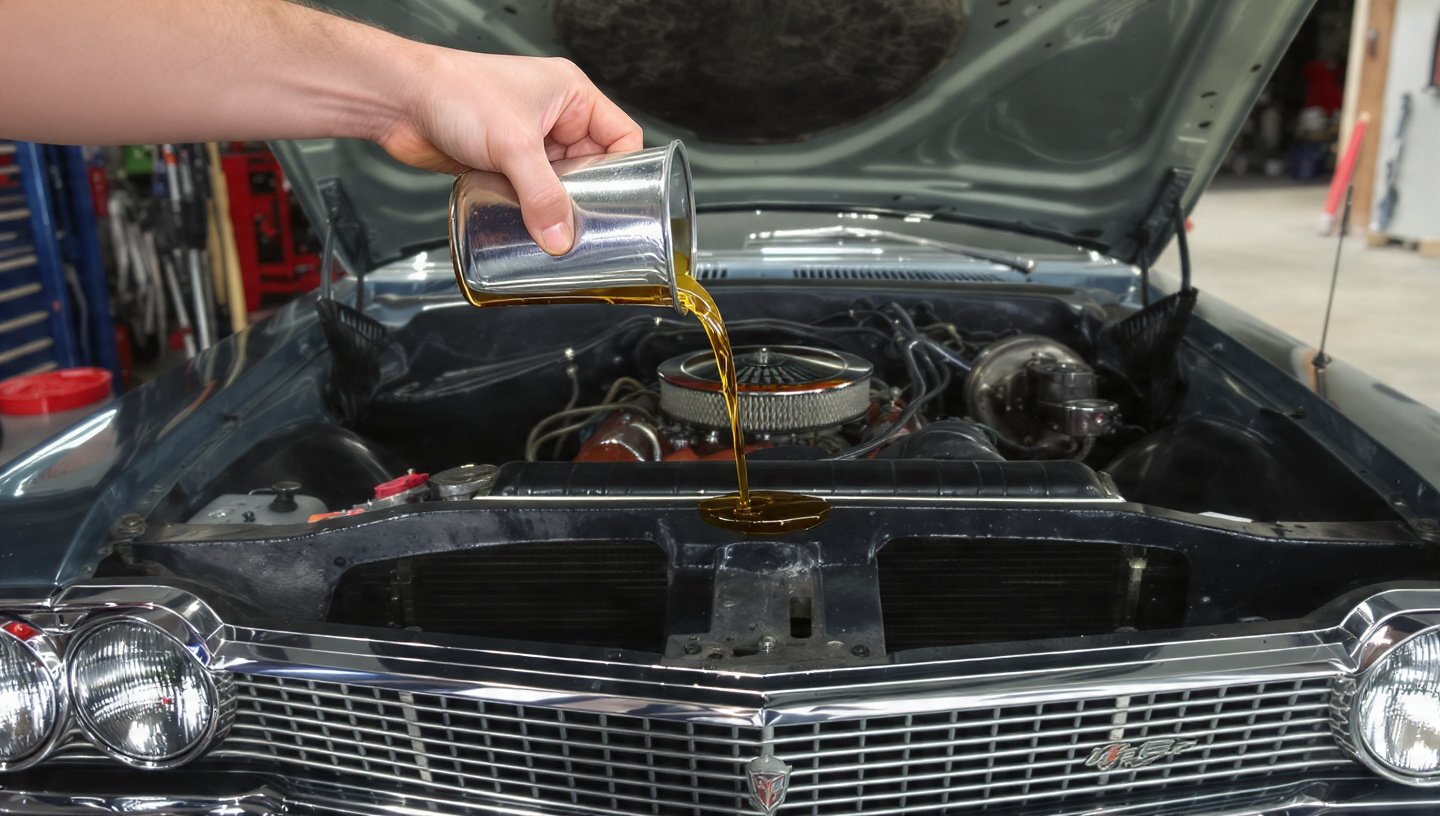
One of the simplest yet most impactful habits you can adopt is regular oil changes. Engine oil lubricates the numerous moving parts within the engine, reducing friction and helping to dissipate heat. Over time, oil becomes contaminated with debris and loses its effectiveness.
Recommended Practice
Most manufacturers suggest changing the engine oil every 3,000 to 5,000 miles. However, this can vary based on the type of oil used and driving conditions. Synthetic oils often last longer than conventional oils and can be changed less frequently. Always refer to your owner’s manual for specific recommendations tailored to your vehicle.
How to Implement
-
Set Reminders: Use your phone or calendar to set reminders for oil changes based on your mileage or the elapsed time since your last change.
-
Keep Records: Maintain a log of oil changes, including dates and mileage for future reference.
Monitoring Fluid Levels
Why It Matters
Besides oil, various fluids keep your engine running optimally. These include coolant, transmission fluid, brake fluid, and power steering fluid. Low levels of any of these fluids can lead to severe engine problems over time.
Recommended Practice
For optimal performance, check these fluid levels monthly. Each fluid has its own specific guidelines regarding levels:
- Coolant: Helps regulate engine temperature.
- Transmission Fluid: Ensures smooth gear transitions.
- Brake Fluid: Essential for braking systems.
- Power Steering Fluid: Aids in steering control.
How to Implement
-
Visual Inspections: Open the hood and visually inspect each fluid reservoir, ensuring levels are within the recommended ranges.
-
Top Off as Needed: If a fluid is low, add the appropriate type, as specified in your owner’s manual.
Air Filter Maintenance
Why It Matters
The air filter is crucial for letting clean air into the engine, ensuring optimal combustion. A clogged air filter can reduce engine efficiency and increase fuel consumption.
Recommended Practice
Inspect and replace the air filter as needed, typically every 15,000 to 30,000 miles, or more often in dusty conditions.
How to Implement
-
DIY Checks: Access the air filter compartment, removing the old filter to assess its condition. If it appears dirty or clogged, replace it.
-
Note Replacement Dates: Keep track of when you last replaced the air filter to avoid delays in maintenance.
Tire Maintenance
Why It Matters
While tire maintenance may seem unrelated to engine health, poorly maintained tires can affect fuel efficiency and strain the engine.
Recommended Practice
Regularly check tire pressure and tread depth. Under-inflated tires create higher rolling resistance, forcing the engine to work harder and consume more fuel, while worn tread can lead to dangerous driving conditions.
How to Implement
-
Monthly Checks: Use a tire pressure gauge to check and adjust tire pressure according to your vehicle’s specifications.
-
Rotation and Alignment: Rotate tires every 6,000 to 8,000 miles to ensure even wear, and check wheel alignment regularly.
Ignoring Warning Lights
Why It Matters
Most modern vehicles come equipped with a range of warning lights that serve as indicators for various issues, including engine problems. Ignoring these lights can lead to severe, potentially irreversible engine damage.
Recommended Practice
Pay attention to warning lights, especially the check engine light. If it turns on, investigate the underlying cause as soon as possible.
How to Implement
-
Diagnostic Tools: Invest in an OBD-II scanner to read trouble codes, allowing for quick identification of issues.
-
Professional Assistance: If unsure about a warning light, have a mechanic perform an inspection.
Routine Professional Inspections
Why It Matters
Even with diligent at-home care, the expertise of a professional mechanic cannot be understated. Routine inspections can catch issues before they escalate into major problems.
Recommended Practice
Schedule a comprehensive vehicle inspection at least once a year. This ensures that any hidden issues are diagnosed early.
How to Implement
-
Find a Trusted Mechanic: Develop a relationship with a reliable mechanic who can provide regular assessments.
-
Discuss Concerns: Bring up any specific concerns you may have about engine performance during inspections.
Battery Maintenance
Why It Matters
A healthy battery is essential for engine operation. Corrosion, low fluid levels, or an old battery can lead to starting issues and affect the engine’s overall performance.
Recommended Practice
Inspect the battery terminals for corrosion and ensure connections are tight. Replace batteries every three to five years, depending on usage.
How to Implement
-
Clean Terminals: Use mixing baking soda and water to clean corroded terminals, and ensure they are tightly secured.
-
Keep Battery Charged: If not driven regularly, consider using a trickle charger to keep the battery in good condition.
Fuel Quality
Why It Matters
Using low-quality fuel can lead to engine deposits and reduced performance. Higher quality fuels often contain detergents that help keep the engine clean, enhancing its efficiency.
Recommended Practice
Whenever possible, fill up at reputable gas stations that offer quality fuel.
How to Implement
-
Research Fuel Grades: Ensure you’re using the correct octane rating as specified in your owner’s manual.
-
Observe Performance: Note any changes in performance or fuel efficiency after switching fuel stations, and adjust accordingly.
Driving Habits
Why It Matters
How you drive can significantly impact engine longevity. Aggressive driving, such as rapid acceleration and hard braking, puts additional strain on the engine.
Recommended Practice
Adopt smooth driving habits. This not only conserves fuel but also reduces wear on engine components.
How to Implement
-
Practice Smooth Acceleration: Gradually increase speed rather than speeding up quickly.
-
Give Time for Warm-up: Before hitting the road, allow your engine to warm up for a minute or two, especially in cold weather.
Conclusion
Incorporating these simple habits into your routine can extend the life of your engine, ensuring that your vehicle runs smoothly for years to come. Regular oil changes, fluid monitoring, air filter maintenance, tire upkeep, and mindful driving are pivotal steps in protecting your automotive investment.
Maintaining an engine doesn’t have to be a daunting task; with a little diligence and the right practices, you can ensure that your vehicle remains in optimal condition. Your engine will thank you with longevity and performance, leading to pleasant drives and fewer unexpected repair bills down the line. By adopting these habits now, you invest in a hassle-free and enjoyable automotive experience for the future.