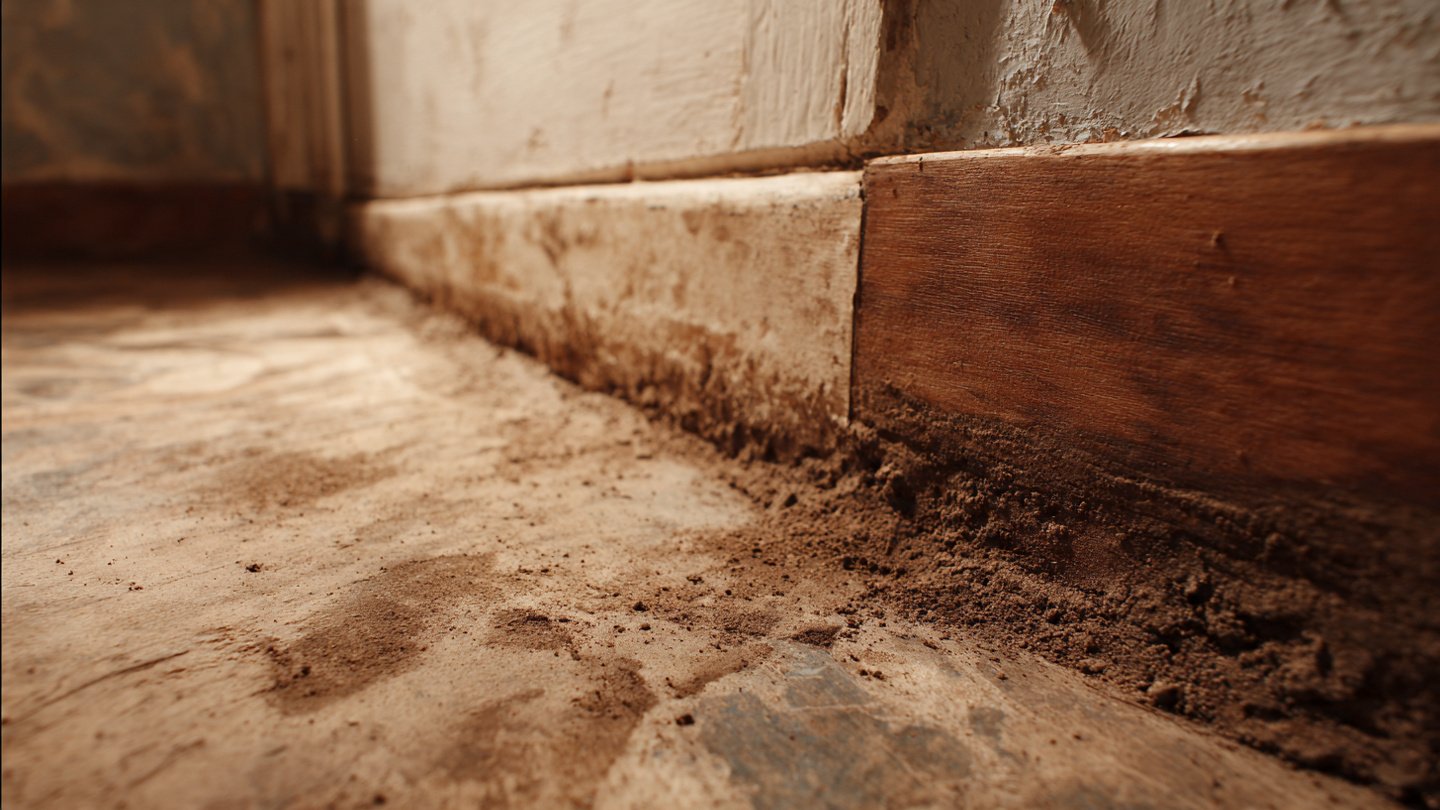
The accumulation of dirt along the edges of floors is a common occurrence in homes and commercial spaces alike. This issue, while often overlooked, can have several underlying causes and implications. Understanding why floor edges attract dirt can help in maintaining cleanliness and hygiene in any environment.
The Nature of Dirt Accumulation
To understand why dirt accumulates at floor edges, it’s helpful to start by examining the nature of dirt itself. Dirt is composed of various particles, including dust, hair, soil, and any organic matter that may find its way into our living spaces. The accumulation of dirt on floors can be influenced by several factors, including:
- Foot Traffic: As people walk in and out of a room, dirt and particulates from shoes are transferred onto the floor. Over time, these particles can accumulate, particularly in areas where foot traffic is heaviest.
- Static Electricity: Floors, especially those made of certain synthetic materials, can generate static electricity, which attracts dust and dirt particles.
- Humidity and Temperature: Higher humidity can lead to condensation, which may cause particles to stick more readily to surfaces.
The Role of Floor Design and Structure
The design and structure of flooring can also contribute to dirt accumulation. For instance:
- Flooring Materials: Different materials have varying textures and finishes. For example, textured carpets may trap dust and particles more than smooth surfaces like tile or hardwood.
- Baseboards and Trim: The presence of baseboards can create crevices where dust accumulates. Some designs may leave small gaps that attract dirt and debris.
- Transitions Between Different Materials: Where two different flooring materials meet (e.g., tile meeting carpet), it can create a friction point, capturing dirt and making it difficult to clean.
Environmental Factors
Environmental factors also significantly influence dirt accumulation. These factors can range from the weather outside to the activities happening inside a space. Some key aspects include:
- Outdoor Conditions: If there are windy conditions or rainy days, dirt and mud from outdoors can easily enter buildings, particularly through entrances.
- Indoor Activities: Activities such as cooking can create food particles that may drop onto the floor and settle at the edges over time.
- Pets and Children: Homes with pets or small children often see increased dirt accumulation due to play and movement.
Cleaning Practices and Their Impact
Another reason for dirt accumulation at the edges of floors relates to cleaning practices. Many cleaning routines might not adequately address these areas, leading to stubborn dirt build-up. Factors to consider include:
- Lack of Frequent Cleaning: Neglecting corners and edges during regular cleaning can allow dirt to accumulate over time.
- Improper Cleaning Tools: Using mops or brooms that don’t effectively reach edges can exacerbate the issue.
- Inconsistent Cleaning Routines: If cleaning is sporadic or inconsistent, dirt can build up quickly, particularly at the edges, which often get ignored.
Long-Term Implications of Dirt Accumulation
The accumulation of dirt at floor edges can lead to various consequences, including:
- Health Issues: Dirt can harbor allergens, bacteria, and pests, leading to respiratory issues or other health problems.
- Aesthetic Concerns: Accumulated dirt can mar the appearance of floors, impacting overall interior aesthetics and comfort.
- Wear and Tear: A buildup of grime can lead to increased wear on flooring surfaces, potentially necessitating costly repairs or replacements.
Strategies for Prevention and Cleaning
To combat the accumulation of dirt at floor edges, consider implementing the following strategies:
- Regular Deep Cleanings: Schedule periodic deep cleanings that focus specifically on corners and edges.
- Use Appropriate Cleaning Tools: Invest in equipment designed for cleaning edges, such as floor brushes or vacuums with narrow attachments.
- Entryway Mats: Place mats at entrances to reduce the amount of dirt tracked in from outside.
- Educate Occupants: Encourage residents or employees to be mindful of their surroundings and to help keep the space clean.
Conclusion
The accumulation of dirt at floor edges is a multifaceted issue influenced by various factors, from environmental conditions to cleaning practices. Understanding these factors enables individuals and organizations to implement better maintenance strategies and keep their spaces cleaner and healthier. By adopting consistent cleaning routines and preventive measures, the unsightly and problematic build-up of dirt can be minimized, leading to spaces that are not only more pleasant but also healthier for inhabitants.
FAQs
1. Why do floor edges accumulate dirt more than other areas?
Floor edges accumulate dirt more due to limited cleaning attention, foot traffic patterns, and the nature of how dust and particles settle in corners.
2. How often should I clean the edges of my floors?
It’s advisable to clean the edges of your floors weekly as part of your regular cleaning routine, with deeper cleanings performed monthly.
3. What are the best tools for cleaning floor edges?
Use a handheld vacuum, a microfiber cloth, or a dedicated floor brush to effectively reach and clean edges.
4. Can the type of flooring influence dirt accumulation?
Yes, the texture and material of flooring can impact how much dirt accumulates. Textured surfaces often trap more particles than smooth ones.
5. Are there preventative measures I can take to reduce dirt accumulation?
Yes, using entry mats, maintaining a clean outdoor area, and regularly cleaning can help significantly reduce dirt accumulation.