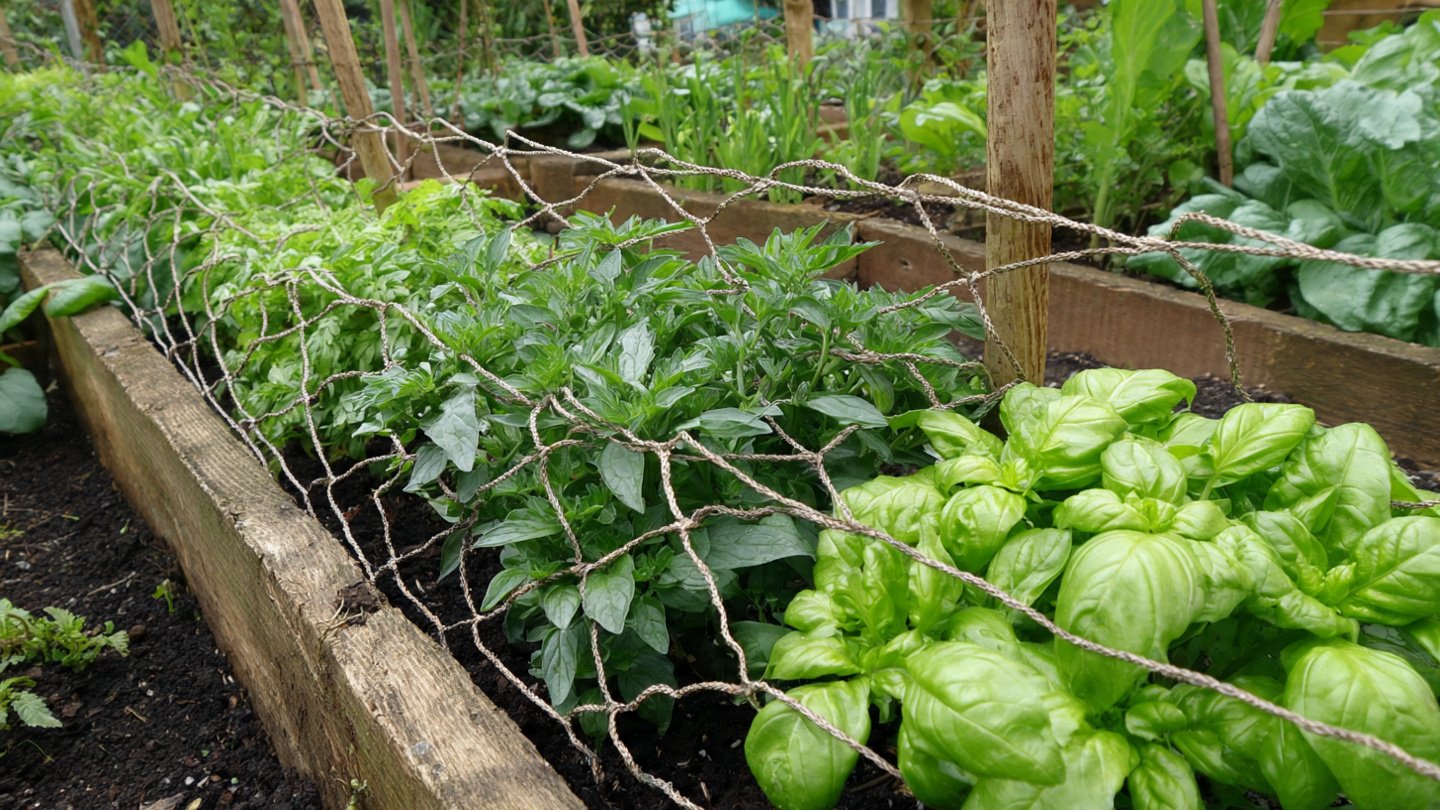
Simple Netting Habit Keeps Kitchen Garden Crops Safe From Pests
Creating a thriving kitchen garden is a rewarding experience, offering the joy of growing your own vegetables, herbs, and fruits. However, maintaining a healthy garden can be a challenge, particularly when it comes to protecting crops from pests. Pests can wreak havoc on your yields, consuming leaves, fruits, and roots, and leaving frustrated gardeners at a loss. One effective yet simple solution to this problem is the use of netting. This article delves into the benefits, types, and practical tips for implementing netting to safeguard your kitchen garden crops.
The Importance of Protecting Your Garden
Before discussing netting, it’s essential to understand why protecting your garden is crucial. Pests not only reduce the quantity of your harvest but can also compromise the quality of your crops. Insects like aphids, caterpillars, and beetles target various plants, leading to stunted growth and diseases. Furthermore, birds and larger animals can be as damaging as insects, often devouring ripe fruits and tender shoots.
Implementing protective measures not only preserves your harvest but also reduces the need for chemical pesticides, promoting an organic approach to gardening and making your kitchen garden a safe space for family and pets.
Understanding Pests
To effectively protect your kitchen garden, it helps to identify the most common pests. Insects, such as:
- Aphids: These small, sap-sucking insects can severely harm plants by draining their vital nutrients.
- Caterpillars: The larvae of moths and butterflies, caterpillars can defoliate plants rapidly, especially during their feeding frenzy.
- Beetles: Various beetle species can bore into the stems or roots of plants, causing structural damage.
Birds, squirrels, and rabbits are common nuisances in many gardens, often targeting freshly sprouted seeds and ripening fruit. By understanding the threats, you can better tailor your protective measures.
Benefits of Using Netting
Netting provides multiple advantages regarding pest control in your kitchen garden:
- Physical Barrier: Netting acts as a physical barrier, preventing insects and birds from reaching the plants while still allowing airflow and sunlight.
- Chemical-Free: Using netting eliminates the need for pesticides and other chemicals, making your gardening practices more sustainable and safe for the environment.
- Ease of Use: Netting is easy to set up, requiring minimal tools, which makes it accessible for gardeners of all skill levels.
- Versatility: Different types of netting can be used for various purposes—from protecting seedlings to covering mature plants during fruiting.
- Resilience: High-quality netting is typically durable and can withstand weather conditions, reducing the need for frequent replacement.
Types of Netting
When choosing netting for your kitchen garden, consider the type of pests you want to deter and the specific crops you are growing. Here are a few types of netting to consider:
- Bird Netting: This lightweight netting has larger holes and is primarily designed to keep birds away from fruits and vegetables. It can easily be draped over plants or installed on frames.
- Insect Mesh: Fine mesh netting is ideal for small insects and pests. It provides optimum protection against smaller creatures like aphids and caterpillars while still allowing sunlight and rain to penetrate.
- Row Covers: These are lightweight fabric covers that can be used to protect young seedlings and transplants from insects, frost, and harsh weather. Row covers can also provide some insulation, helping plants thrive in cooler temperatures.
- Shade Cloth: While primarily used to provide shade, this type of netting can also offer some protection against larger pests. It reduces sunlight intensity, preventing sunburn on fruits and tender greens.
- Crop-Specific Netting: Some nettings are designed for specific crops, such as berry nets that help support and protect berry plants while keeping birds at bay.
Implementing Netting in Your Garden
To effectively utilize netting in your kitchen garden, follow these practical steps:
1. Assess Your Garden Layout
Before selecting and installing netting, evaluate your garden layout. Identify the areas most vulnerable to pests and decide which crops need protection. Consider factors such as the size of your garden, the types of plants, and local pest populations.
2. Choose the Right Netting
Once you’ve assessed your garden, choose the appropriate type of netting. For instance, if you’re planting strawberries, bird netting will be essential. For young greens, insect mesh may be the better option to keep aphids at bay.
3. Prepare Your Plants
Prepare your plants for netting installation. Ensure they are healthy and thriving without any existing pest infestations. If there are signs of pests, address those issues before covering them with netting.
4. Install Framework for Netting
If necessary, create a framework to support the netting. This could be as simple as using stakes, hoops, or even a DIY frame made from PVC pipes. Ensure that the frame is sturdy enough to hold the netting securely in place while keeping it off the plants to avoid crushing them.
5. Secure the Edges
When placing netting over plants, secure the edges to prevent pests from sneaking in. Use landscape fabric pins, bricks, or heavy stones to hold the netting in place. Ensuring the netting is taut will also prevent birds from getting trapped.
6. Regular Maintenance
Regularly check the netting to ensure it remains secure and intact. Look out for any signs of wear and tear or holes that may have developed. Also, monitor your plants for any signs of pests inside the netting.
Troubleshooting Common Issues
While netting is highly effective, you may encounter a few challenges:
- Trapped Beneficial Insects: Ensure that the netting isn’t completely sealing off beneficial insects such as bees and ladybugs. Consider using removable netting that can be taken off during peak pollination times.
- Overheating: Incredibly hot weather can cause plants to suffer under netting. Use lighter netting or shade cloth that allows some sun protection while providing adequate airflow.
- Heavy Winds: To mitigate damage from strong winds, ensure your netting is secured tightly and consider using heavier-duty stakes for support.
- Pathogen Risks: While netting prevents pests, it can sometimes trap humidity. Ensure that your plants are adequately spaced for good airflow.
Conclusion
Incorporating netting into your kitchen garden care routine offers a practical, efficient way to safeguard your crops from pests. This simple yet effective method minimizes reliance on chemicals, reducing your garden’s environmental impact. As you cultivate your garden, remember that a proactive approach to pest management, including the use of netting, not only benefits your crops but enhances your overall gardening experience. Enjoy the fruits of your labor—literally and figuratively—by keeping your kitchen garden thriving and bountiful with the help of netting!