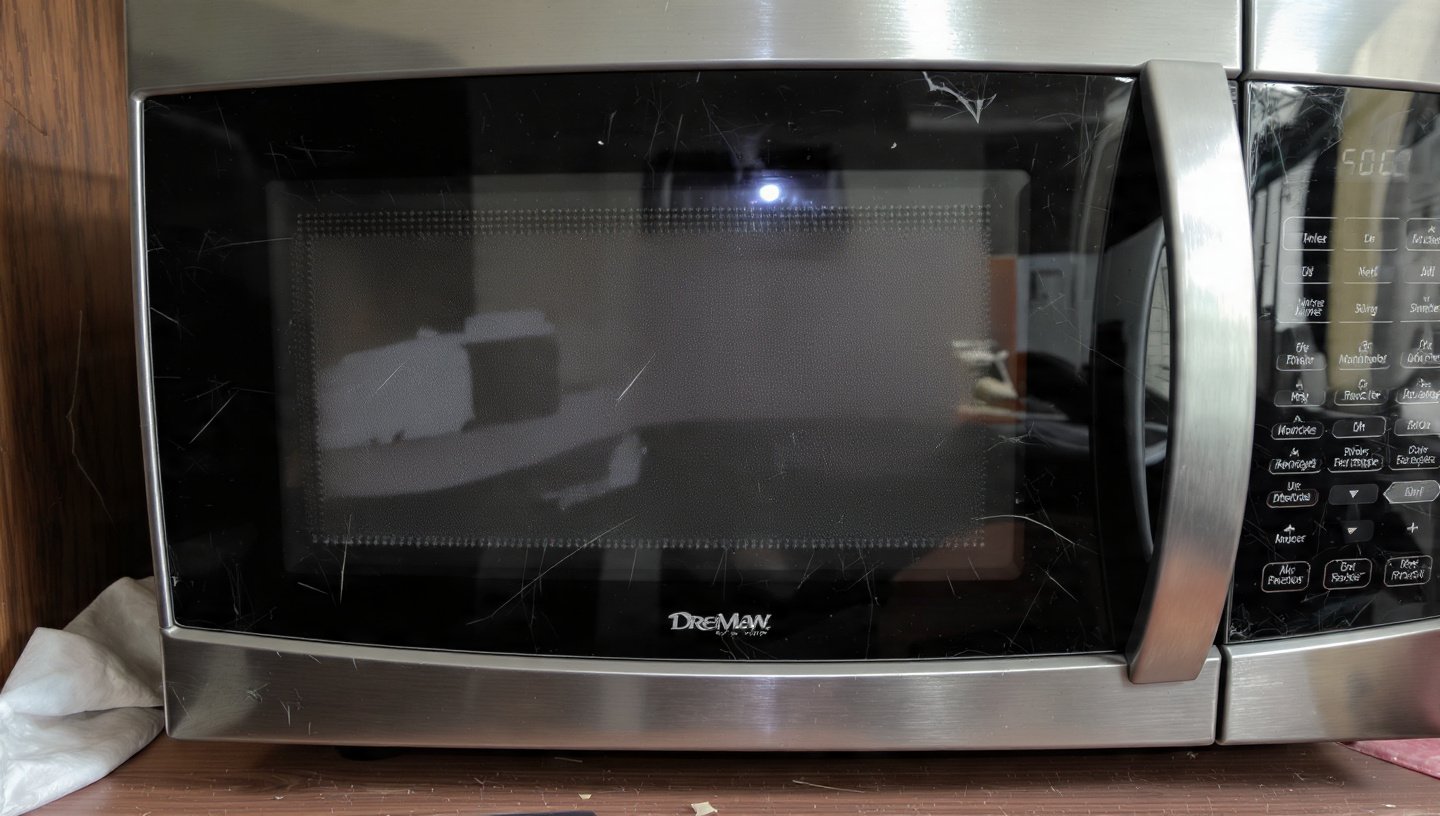
Microwave ovens have become ubiquitous in modern kitchens, serving as essential appliances for heating, cooking, and defrosting food. They offer convenience, speed, and energy efficiency, making them indispensable tools for busy lifestyles. However, many users have noticed that over time, the digital displays of their microwave ovens can become less visible, with fading or dimming that makes it difficult to read the settings. This article delves into the reasons behind this phenomenon, exploring the mechanisms at play, the materials used in displays, potential solutions, and maintenance tips to prolong display life.
The Technology Behind Microwave Displays
To understand why microwave oven displays fade, it’s essential to first grasp how these displays function. Most microwave ovens utilize either LED (Light Emitting Diode) displays or LCD (Liquid Crystal Display) panels.
-
LED Displays: These are often found in newer microwave models due to their energy efficiency and brightness. LEDs emit light when an electrical current passes through them, making them vibrant and easily readable. However, over time, LED lights may degrade due to prolonged use, leading to a dimming effect.
-
LCD Displays: These are composed of liquid crystals sandwiched between layers of glass and often use a backlight for visibility. The crystals align in response to an electrical current, allowing light to pass through and create images. Prolonged exposure to heat, humidity, or electrical stress can cause the liquid crystals to degrade, resulting in fading.
Reasons for Fading Displays
Here are some predominant factors contributing to the fading of microwave oven displays:
1. Heat Exposure
Microwaves generate significant heat during operation. While most modern microwaves are designed to handle this heat, the repeated exposure can still take a toll on components, including displays. High temperatures can accelerate the degradation of both LED and LCD components.
2. Age and Usage
Like all electronic devices, microwave ovens have a finite lifespan. As the years go by and the microwave is used regularly, its internal components, including displays, may wear out. The cumulative effects of frequent use—such as heat cycling and electrical stress—can lead to display fading.
3. Humidity and Moisture
Microwave ovens often operate in kitchen environments that can be humid or subject to steam and splatter from cooking. Excess moisture can infiltrate the internal components of the microwave, especially if it is poorly sealed or if the user frequently opens the door during the cooking process. Humidity can corrode metallic components of the display or affect the liquid crystals in LCD panels, leading to fading or malfunctioning displays.
4. Electrical Factors
Voltage fluctuations and electrical surges can affect the performance and lifespan of microwave displays. If the microwave is connected to a circuit that experiences frequent voltage spikes, this can accelerate the deterioration of display components. Moreover, the internal circuitry of the microwave can wear out over time from the constant cycling of power.
5. Material Degradation
The materials used in microwave displays also play a critical role in their longevity. For LCDs, the liquid crystals can break down chemically over time, leading to fading. The backlight components, if present, may also use materials that degrade under prolonged exposure to heat and electrical stress.
Consequences of Fading Displays
The fading of microwave displays may seem like a mere inconvenience, but it can have broader implications:
-
Usability Issues: A faded display can make it difficult to read settings or cooking times, leading to potential cooking errors—such as undercooking or overcooking food.
-
User Frustration: Regularly struggling to read settings can lead to frustration, diminishing the user experience and potentially causing users to seek replacements sooner than necessary.
-
Electronic Failure: In extreme cases, a failing display may signal broader electronic issues within the microwave, leaving the device at risk of malfunction or complete failure.
Maintenance Tips to Prolong Display Life
While some factors contributing to fading displays are inevitable, there are several proactive measures users can take to prolong the life of their microwave displays:
1. Optimal Placement
Positioning the microwave away from sources of heat, steam, or humidity can help extend the lifespan of the display. Ensuring adequate ventilation is particularly important; this allows the appliance to dissipate heat more effectively.
2. Regular Cleaning
Keeping the microwave clean can help prevent moisture buildup and potential corrosion. It’s advisable to regularly clean the exterior and interior, paying particular attention to the display and control panel. Use a damp cloth to wipe surfaces, avoiding harsh chemicals or abrasive materials that can scratch the display.
3. Controlled Usage
Avoid keeping the microwave on for extended periods unnecessarily. Use lower power settings when possible, and try to minimize repeated cycles that could subject the display to stress.
4. Protection from Electrical Surges
Using surge protectors can help shield your microwave from voltage spikes that may damage its electronic components, including the display. This simple measure can greatly enhance the microwave’s longevity.
5. Avoiding Unnecessary Opening
Each time you open the microwave door, you introduce a temperature change and potentially expose the internal components to moisture. Try to minimize door openings and avoid letting excessive steam escape, as this can help the appliance operate more efficiently and limit wear on the display.
When to Seek Professional Help or Replacement
If your microwave display has significantly faded and makes operation difficult, it may be time to consider your options. Here are some factors to consider:
-
Age of the Appliance: If your microwave is relatively new, you might consider seeking warranty service or repairs rather than replacing the unit. However, for older models, replacement might be more cost-effective.
-
Extent of the Damage: If the display has faded but the microwave still functions effectively, you may be able to manage for a while longer. If the fading is part of larger electronic issues, repairing may not be worth the investment.
-
Cost of Repair vs. Replacement: Weigh the cost of repairing the display against the price of replacement. In many cases, purchasing a new microwave may offer better value, improved features, and enhanced energy efficiency.
Conclusion
Understanding why microwave oven displays fade over time can empower users to take preventive measures that extend the operational lifetime of their appliances. By recognizing the factors that contribute to display degradation—such as heat, humidity, electrical fluctuations, and aging—consumers can take steps to protect their microwaves.
Although fading displays can be a common issue, implementing proper maintenance practices, from optimal placement to regular cleaning, can mitigate the effects and ensure that your microwave continues to serve your culinary needs efficiently. Ultimately, being attentive to the health of your microwave not only enhances your cooking experience but also promotes the longevity of this essential kitchen appliance.