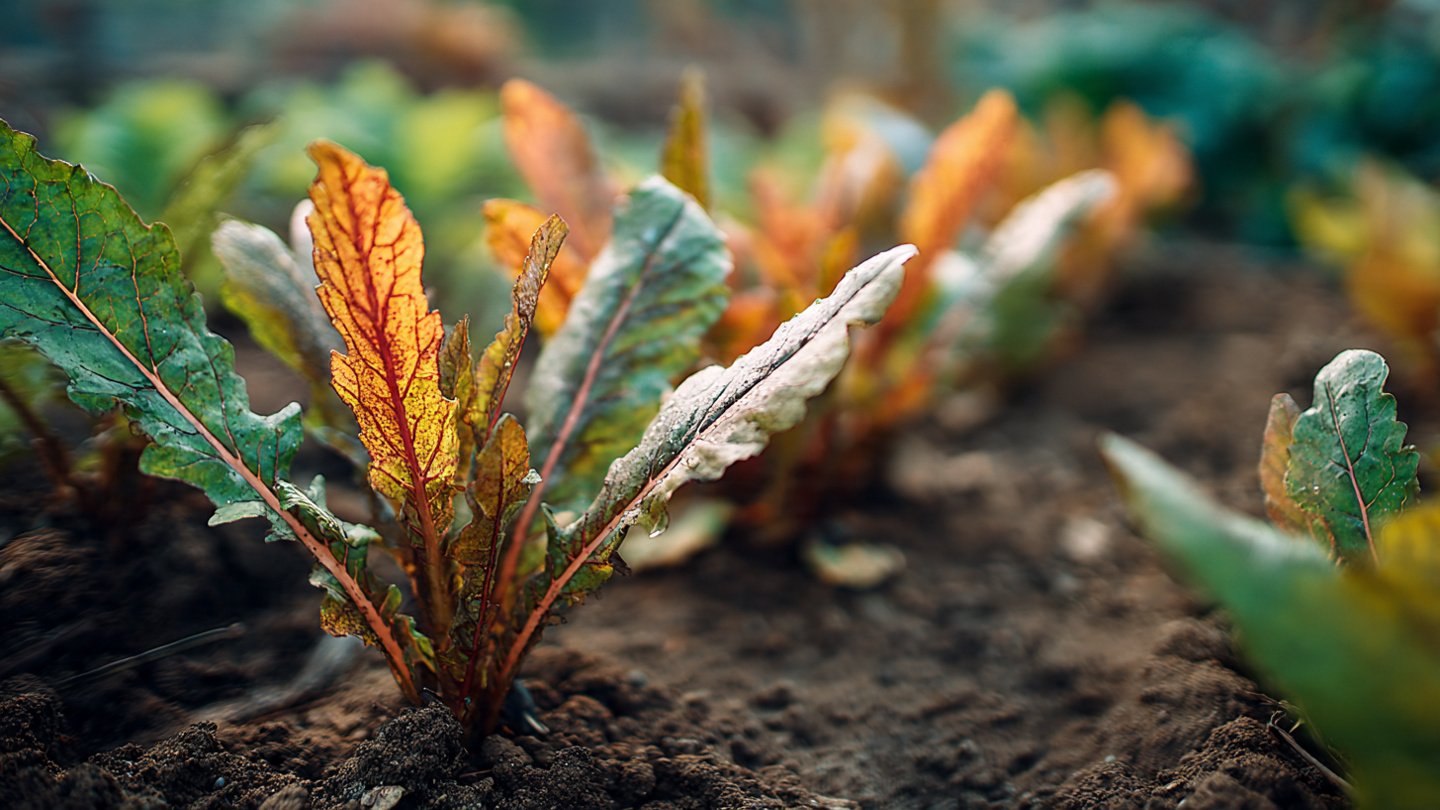
Common Causes of Tears in Kitchen Garden Leaves
A kitchen garden is a source of fresh vegetables, herbs, and fruits, allowing for a sustainable lifestyle and the joy of growing one’s food. However, many gardeners encounter issues such as torn leaves, which can negatively impact plant health and productivity. Understanding the common causes of tears in kitchen garden leaves is crucial for maintaining a healthy garden. In this article, we will explore these causes in depth, offering insights and potential solutions to help you protect your precious plants.
1. Weather Conditions
A. Wind Damage
Strong winds can physically tear leaves, especially in young and fragile plants. Wind-induced tears may appear jagged or uneven, creating an unsightly look and exposing the plant to environmental stresses.
Solution:
- Plant windbreaks such as hedges or fences to shield vulnerable areas.
- Consider using row covers or lightweight netting to protect plants during particularly windy conditions.
B. Heavy Rainfall
Intense storms can cause water accumulation and increase the weight on leaves, leading to tearing. The force of raindrops can also cause physical damage, especially if leaves are already stressed.
Solution:
- Ensure proper drainage in your garden to avoid water pooling.
- Mulch around plants to keep soil moisture levels stable without saturating the roots.
C. Sunburn
Excessive sunlight can strip moisture from leaves, leading to a condition where they become brittle and more prone to tearing. Sunburn may first appear as discoloration, followed by leaf tearing.
Solution:
- Provide shade for susceptible plants using shade cloth or temporary covers during peak sunlight hours.
- Water plants adequately to increase their resilience against extreme weather.
2. Pest Infestation
A. Insect Damage
Pests such as aphids, spider mites, and caterpillars can cause significant damage to leaves. They may chew or suck the sap, weakening the leaf structure and leading to tears.
Solution:
- Regularly monitor your garden for early signs of infestation.
- Introduce beneficial insects like ladybugs or lacewings which prey on harmful pests.
B. Slugs and Snails
These common garden pests can leave irregular holes and frayed edges on leaves. Their feeding habits can compromise leaf integrity, leading to tears.
Solution:
- Use barriers such as copper tape or diatomaceous earth to deter them.
- Hand-picking them at dusk can also help control populations.
3. Diseases
A. Fungal Infections
Fungal diseases, such as powdery mildew or leaf spot, can weaken leaf structures and lead to tearing. Symptoms often include discoloration and spots before actual leaf tears occur.
Solution:
- Ensure proper air circulation between plants and avoid overhead watering to minimize humidity.
- Use fungicidal sprays as a preventive measure or at the first signs of infection.
B. Bacterial Infections
Similar to fungal diseases, bacteria can cause leaf blight, which leads to tears and overall leaf degradation.
Solution:
- Practice crop rotation and remove infected plants to prevent spread.
- Use sterilized tools when tending to your garden to minimize cross-contamination.
4. Nutrient Deficiencies
A. Nitrogen Deficiency
Nitrogen is essential for healthy leaf growth. A deficiency can result in weak, brittle leaves that may tear easily under stress.
Solution:
- Utilize organic fertilizers rich in nitrogen, such as compost or well-rotted manure.
- Conduct soil tests to determine nutrient levels and balance accordingly.
B. Magnesium Deficiency
Magnesium is crucial for chlorophyll production. A lack of magnesium may lead to leaf curling and an increased likelihood of tearing.
Solution:
- Apply Epsom salt as a magnesium source or magnesium-rich fertilizers.
- Regularly monitor soil health for balanced nutrient levels.
5. Mechanical Damage
A. Tools and Equipment
Gardeners are often unaware that tools can inadvertently cause damage. Rubbing against or hitting plants with shovels, hoes, or rakes can result in mechanical tears.
Solution:
- Carefully handle tools and maintain awareness of plant locations.
- Use protective barriers or padding around vulnerable plants during maintenance.
B. Foot Traffic
Walking on garden beds can compact soil and disrupt plant roots, leaving leaves more susceptible to tearing due to stress.
Solution:
- Designate paths and use stepping stones to minimize foot traffic on beds.
- Consider using raised beds to allow comfortable access without disturbing plant health.
6. Environmental Stressors
A. Overwatering
While plants need water to thrive, overwatering can lead to soft, weak leaves that are unable to withstand environmental forces.
Solution:
- Implement a regular watering schedule based on plant needs and soil moisture levels.
- Use pots with drainage holes to avoid standing water.
B. Underwatering
Conversely, underwatering can stress plants, leading to wilting and weakened leaves. These leaves are more likely to tear under pressure.
Solution:
- Adjust watering schedules based on seasonal weather changes.
- Mulch to retain soil moisture and reduce evaporation.
7. Improper Planting Techniques
A. Poor Soil Conditions
Soil that is too compacted or lacks essential nutrients can hinder root growth and overall plant health, resulting in weakened leaves.
Solution:
- Optimize soil health by mixing in compost and organic matter to improve structure and fertility.
- Regularly aerate soil to allow roots to expand freely.
B. Close Plant Spacing
Planting too closely can lead to competition for light, water, and nutrients, ultimately weakening plants and causing leaf tears.
Solution:
- Follow recommended spacing guidelines for different plant species.
- Thin out seedlings to allow ample room for growth.
8. Wildlife Interference
A. Birds and Rodents
Birds may peck at leaves, while rodents can chew them, leading to unsightly tears. Additionally, larger animals may trample young plants.
Solution:
- Use netting or protective fences to deter birds and larger wildlife.
- Consider employing traps or repellents specifically designed for rodents.
Conclusion
Understanding the common causes of tears in kitchen garden leaves is pivotal for gardeners aspiring to maintain healthy and productive plants. By addressing environmental factors, pest invasions, nutrient deficiencies, and maintenance practices, gardeners can create a thriving ecosystem. Awareness and proactive measures can minimize damage and promote resilience among garden plants, ensuring continued success in growing delicious and nutritious food right from your backyard.
Embrace the joy of gardening by continuously learning and adapting your practices, remembering that each tear and blemish presents an opportunity for growth and improvement. Happy gardening!