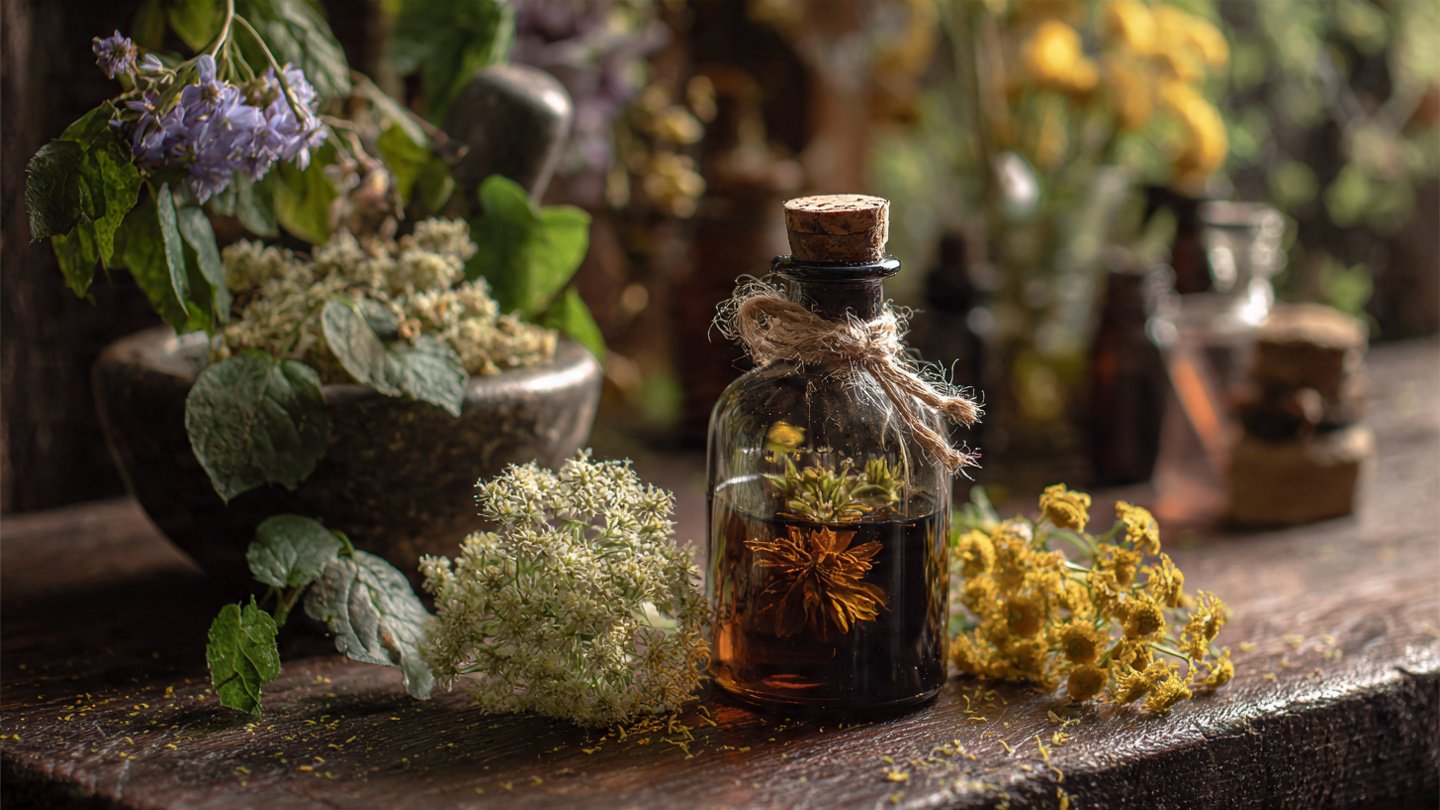
In our fast-paced world dominated by modern medicine, many people are rediscovering the allure of traditional remedies for healing. The roots of these methods are embedded in cultures around the globe and have been passed down through generations. This article explores various traditional remedies, their benefits, and how they foster a deeper connection with nature for natural recovery.
Understanding Traditional Remedies
Traditional remedies encompass a wide array of practices, including herbal medicine, acupuncture, homeopathy, and even dietary changes that have been employed by different cultures for centuries. These practices often focus on treating the whole person—mind, body, and spirit—rather than merely alleviating symptoms.
Holistic Healing Philosophy
One key principle in traditional remedies is the holistic approach. The human body is an intricate system where physical, emotional, and spiritual elements intertwine. Consequently, traditional remedies emphasize balancing all aspects of an individual’s life. This perspective fosters not only recovery from ailments but also overall wellness and prevention of future health issues.
Herbal Medicine: A Cornerstone of Traditional Healing
Herbal medicine is perhaps the most familiar form of traditional healing. Different cultures have relied on indigenous plants and herbs for their therapeutic properties. Here are some well-known herbs and their uses:
1. Turmeric (Curcuma longa)
Turmeric is celebrated in Ayurvedic medicine for its anti-inflammatory and antioxidant properties. Curcumin, the active compound, is known to support joint health, enhance brain function, and boost the immune system.
Usage: Turmeric can be added to food or consumed as a supplement. A popular drink, “golden milk,” combines turmeric with warm milk and spices for a soothing beverage.
2. Echinacea
Primarily used for its immune-boosting properties, Echinacea has been a staple in traditional North American herbal medicine. It is often employed during cold and flu season to shorten their duration and alleviate symptoms.
Usage: Echinacea is typically taken as tea, tinctures, or capsules.
3. Ginger (Zingiber officinale)
Ginger has been used for thousands of years, particularly in Asian cuisines and herbal practices. It is well-regarded for alleviating nausea, aiding digestion, and reducing inflammation.
Usage: Ginger can be consumed in various forms, including fresh, powdered, or as herbal tea.
4. Chamomile
Known for its calming effects, chamomile is often used to promote relaxation and improve sleep. Its anti-inflammatory properties also make it helpful for digestive issues.
Usage: Chamomile can be enjoyed as a tea or applied topically in oil form for skin irritations.
Acupuncture and Energy Healing
Another prominent traditional remedy is acupuncture, a cornerstone of Traditional Chinese Medicine (TCM). The practice involves inserting thin needles into specific points on the body to restore balance and promote healing.
Benefits of Acupuncture
-
Pain Relief: Many studies have shown that acupuncture can effectively relieve chronic pain conditions, such as arthritis and migraines.
-
Stress Reduction: Acupuncture promotes relaxation and reduces anxiety, a major contributor to various health issues.
-
Improved Circulation: By stimulating blood flow, acupuncture can enhance overall physical health.
Homeopathy: The Law of Similars
Rooted in Germany in the late 18th century, homeopathy is based on the principle that “like cures like.” Homeopathic remedies are highly diluted substances that, in larger doses, would produce symptoms similar to those of the ailment being treated.
Principles of Homeopathy
-
Individualized Treatment: Homeopathy tailors remedies to the individual, considering their specific symptoms and overall well-being.
-
Minimalism: Homeopathic remedies typically use very small doses of natural substances, reducing the risk of side effects.
Common Homeopathic Remedies
-
Arnica: Famous for treating bruises, strains, and muscle soreness.
-
Nux vomica: Often used for digestive issues, especially after overindulgence.
-
Belladonna: Effective for fevers and conditions characterized by inflammation.
Dietary Changes as Remedies
Food is a powerful healing tool, and traditional diets emphasize the use of whole, unprocessed foods to promote health. Many cultures believe that what we eat directly impacts our physical and mental well-being.
Foods for Natural Recovery
-
Fermented Foods: Culturally significant in many societies, foods like kimchi, sauerkraut, and yogurt are rich in probiotics, which support a healthy gut microbiome and, consequently, the immune system.
-
Whole Grains: Ancient grains such as quinoa, brown rice, and oats provide essential nutrients and energy without the gut irritants found in many processed foods.
-
Healing Broths: Bone broth, a staple in many culinary traditions, is packed with nutrients and is believed to aid in digestion and joint health.
The Power of Mindfulness and Spiritual Practices
Traditional healing doesn’t solely focus on physical health—it also encompasses mental well-being. Practices such as meditation, yoga, and tai chi incorporate elements of mindfulness, promoting a sense of peace and connectedness.
Benefits of Mindfulness
-
Stress Reduction: Mindfulness practices help reduce stress, which can exacerbate physical illnesses.
-
Improved Mental Clarity: Regular mindfulness can enhance focus and clarity of thought.
-
Emotional Balance: Mindfulness encourages emotional regulation and resilience against anxiety and depression.
Combining Traditional and Modern Medicine
While traditional remedies offer valuable insights and benefits, they should not be seen as opposition to modern medicine. Instead, a balanced approach that combines both can lead to optimal health outcomes.
Integrative Medicine
Integrative medicine combines the best of both worlds. Healthcare providers who practice integrative medicine often incorporate traditional healing methods alongside evidence-based medical treatments.
-
Personalized Care: Integrative medicine emphasizes individualized treatment plans that address all aspects of a person’s health.
-
Preventive Focus: This approach encourages proactive health management rather than merely addressing issues as they arise.
-
Patient Empowerment: By promoting self-care through traditional remedies, patients feel more engaged and responsible for their health.
Risks and Considerations
Although traditional remedies can be effective, they also carry potential risks. Users should be mindful of the following:
-
Quality Control: Unlike modern pharmaceuticals, traditional remedies may lack rigorous testing. It’s crucial to obtain these remedies from reputable sources.
-
Interactions with Medications: Some herbs and supplements can interact with prescription medications, leading to adverse effects.
-
Consultation with Professionals: Always consult healthcare providers before starting any new treatments, especially if you have existing health conditions or are taking medications.
Embracing Nature for Healing
Choosing traditional remedies invites individuals to reconnect with nature—an essential aspect of overall health. By embracing the healing properties of plants, natural foods, and age-old practices, people can cultivate a lifestyle that prioritizes wellness and harmony.
Cultivating Your Healing Journey
-
Education: Learn about local herbs and remedies. Books, workshops, and online resources can provide valuable information.
-
Gardening: Consider growing your own medicinal herbs. This not only fosters a connection with the earth but also provides a sustainable source of healing.
-
Community: Engage with community groups focusing on traditional healing practices to share experiences and knowledge.
Conclusion
In a world that often prioritizes quick fixes and pharmaceutical solutions, traditional remedies offer a gentle and holistic path toward healing and recovery. By incorporating these methods into our lives, we not only address physical ailments but also nurture our emotional and spiritual well-being. The synthesis of traditional wisdom and modern medical practices can empower individuals, foster resilience, and foster a more profound connection with nature, thus paving the way for sustainable health and well-being. Embracing this gentle approach to healing can transform the way we perceive our health and recovery, making it a journey worth undertaking.