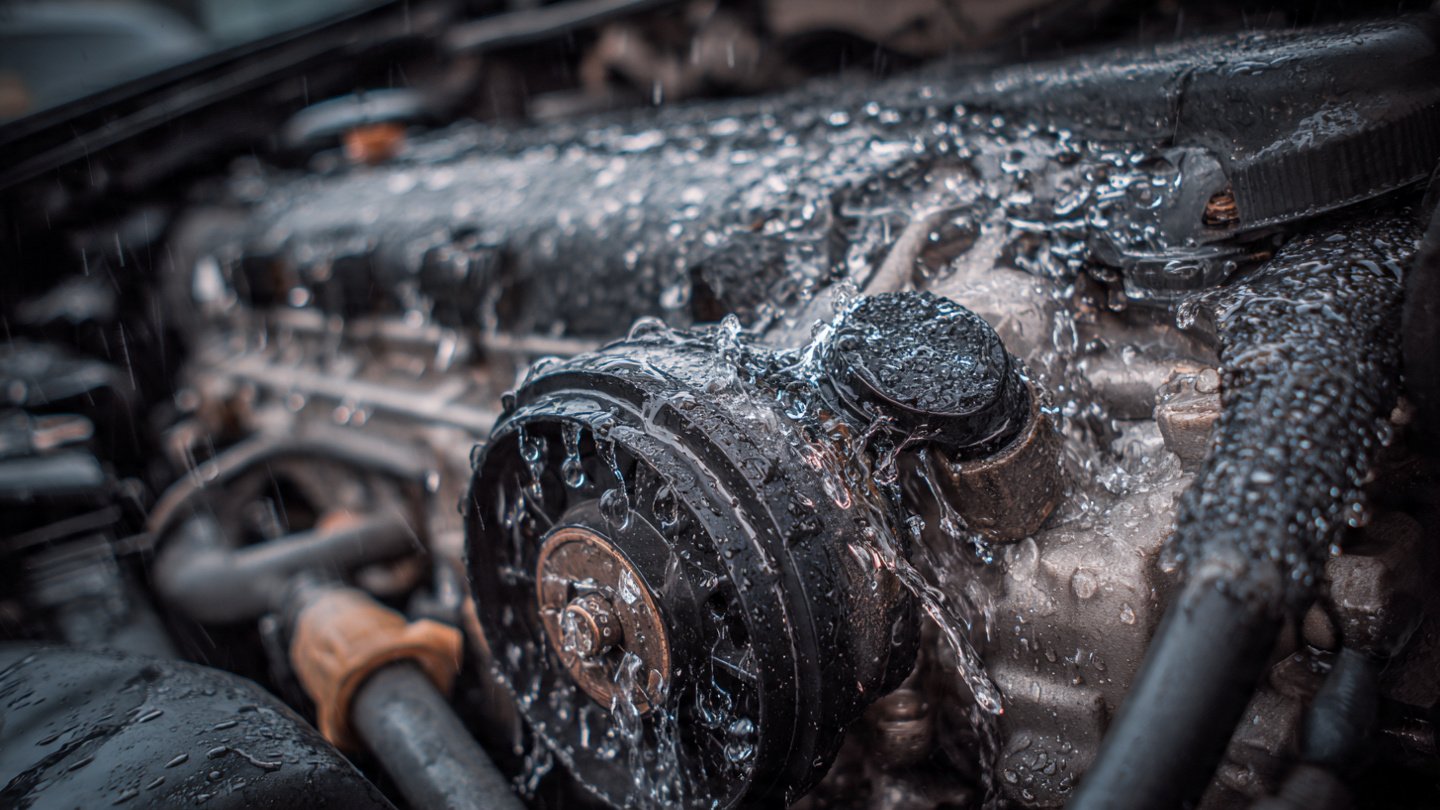
Air conditioning systems are a standard feature in modern vehicles, providing comfort during hot weather and enhancing the driving experience. However, one common issue that car owners may encounter is water leaking inside the vehicle from the AC system. This problem can be both annoying and damaging, as it can lead to unpleasant odors, mold growth, or even electrical issues. In this article, we will explore the causes of water leakage from the car AC system and how to address them effectively.
How the Car AC System Works
Before delving into the causes of leakage, it is essential to understand the basic operation of a car’s AC system. The AC system is responsible for cooling the air that enters the cabin. Here are the basic components:
- Compressor: The heart of the AC system, which compresses refrigerant and circulates it through the system.
- Condenser: Cools the hot refrigerant vapor from the compressor into a liquid, releasing heat to the outside air.
- Evaporator: Absorbs heat from the cabin air, turning the refrigerant into a gas again while cooling the air blown into the cabin.
- Expansion Valve: Controls the flow of refrigerant into the evaporator.
As the evaporator absorbs heat, it also cools the surrounding air. The moisture in the air condenses on the evaporator coils and drips into a drain pan, which is routed outside the vehicle. However, when this drainage system malfunctions, it can lead to water pooling inside the car.
Common Causes of AC Leaking Water Inside the Car
1. Clogged Drain Line
The most frequent cause of AC leakage inside a car is a clogged drain line. The drain line is designed to direct condensation away from the evaporator and out of the vehicle. Over time, debris (like dirt, leaves, or even mold) can accumulate in the drain line, causing it to become blocked. When this happens, the condensation cannot escape, resulting in water pooling under the dashboard and eventually dripping onto the floor of the cabin.
2. Damaged Drain Pan
Another potential cause of water leakage is a damaged drain pan. The drain pan is located beneath the evaporator to collect condensation. If the pan develops cracks or holes, it can lead to leakage inside the vehicle. This can happen due to wear and tear, or even from accidental impacts during maintenance or repairs.
3. Poor Installation of AC Components
If any component of the AC system has been replaced or serviced, improper installation could lead to leaks. For instance, if the evaporator is not sealed correctly, it can allow condensation to escape into the cabin. Always ensure that AC components are installed by qualified professionals to avoid such issues.
4. Low Refrigerant Levels
Low refrigerant levels can also be a contributing factor to leakage. When refrigerant levels are low, the evaporator may become too cold, causing excess moisture to condense on the coils. If the drain line is functioning properly, this excess moisture should drip into the drain pan. However, if the drain line is clogged or damaged, the additional condensation can leak inside the cabin.
5. Faulty Heater Core
The heater core is a vital component of the vehicle’s heating system that also plays a role in the AC operation. If the heater core develops a leak, it can allow coolant to escape, which can sometimes be mistaken for water from the AC. A leaking heater core often manifests as a sweet smell inside the cabin and may require immediate attention to avoid engine overheating or additional damage.
6. Temperature and Humidity Conditions
Environmental conditions can also influence water leakage. High humidity and hotter temperatures can increase the amount of condensation produced by the AC system. If the vehicle is not running the AC efficiently or if the drain line is blocked, excess moisture can accumulate and seep into the cabin.
7. Worn AC Seals and Gaskets
Seals and gaskets in the AC system help maintain pressure and keep refrigerants contained. Over time, these components can wear out, leading to leaks. While this typically affects refrigerant rather than water, in some cases, it can compromise the drainage system, allowing water to leak into areas it shouldn’t.
8. Faulty AC Control Module
Modern vehicles come equipped with sophisticated AC control modules that regulate temperature and climate settings. If this module malfunctions, it could lead to improper functioning of the AC system, including the drainage system. Ensure that the control module is functioning correctly to prevent moisture issues.
Symptoms of a Leaking AC System
Understanding the signs of a leaking AC system can help you address issues before they escalate. Common symptoms include:
- Wet Floor: The most obvious sign is water pooling on the floor mats or carpets near the passenger side or under the dashboard.
- Foul Odors: Mold and mildew thrive in damp environments, leading to unpleasant smells inside the cabin.
- Reduced Cooling: If you notice that the AC doesn’t cool as efficiently, it might suggest problems within the system, including potential leaks.
- Water Stains: Visible drip marks or stains on the ceiling or dashboard can indicate leakage.
How to Diagnose and Fix AC Leaks
1. Inspect the Drain Line
Start by examining the drain line. It is usually located under the vehicle near the firewall. Look for any visible blockages or kinks in the line. If you find it clogged, clear it using compressed air or a flexible cleaning brush.
2. Check the Drain Pan
Access the drain pan and inspect it for cracks or signs of damage. If the pan is broken, it will need to be replaced to prevent leakage.
3. Examine AC Components
Check for signs of wear and tear on the seals and gaskets of the AC components. If you notice any leaks, consider replacing the damaged seals.
4. Test Refrigerant Levels
A professional technician can check the refrigerant levels in your AC system. If levels are low, it may be due to a leak elsewhere, requiring proper diagnosis and repair.
5. Inspect the Heater Core
If you suspect the heater core is leaking, check for wetness on the passenger side floor and a sweet smell. A faulty heater core will need to be replaced promptly to avoid more extensive damage.
6. Seek Professional Help
If you are unable to diagnose the problem or if it requires specialized equipment for repair, consult a qualified mechanic. They can conduct a thorough inspection and utilize diagnostic tools to identify the root cause of the leakage.
Preventive Measures
To help prevent future leaks and maintain your car’s AC efficiency, you can take several preventive measures:
- Regular Maintenance: Schedule routine inspections of the AC system, including checking the drain line, seals, and components.
- Use AC Regularly: Running the AC system even during cooler months can help keep components in good condition and prevent clogs.
- Cleanliness: Keeping the area around the AC intake grille clean can prevent debris buildup, which could lead to blockages.
Conclusion
Understanding the causes of water leakage from your car’s AC system is essential for effective troubleshooting and maintenance. A clogged drain line, damaged drain pan, improper installation, and other issues can lead to significant water accumulation in the cabin. Regular maintenance and timely repairs can help ensure your vehicle’s AC system operates efficiently, keeping you comfortable while avoiding unnecessary damage. If you encounter persistent leaks or symptoms, reaching out to a qualified mechanic is the best way to safeguard your vehicle and restore its performance.