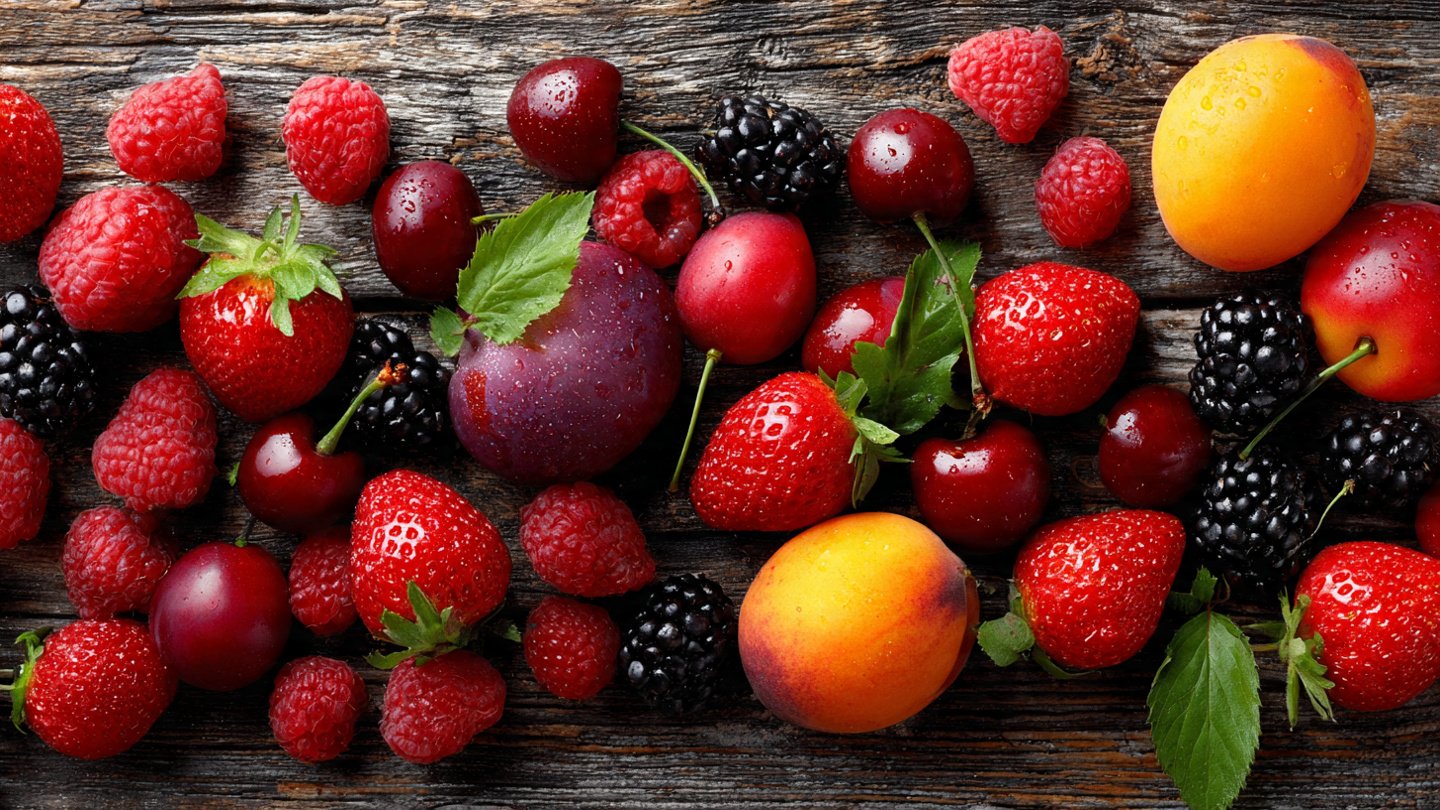
Fruits are nature’s candy—vibrant, sweet, and full of vitality. Annual conversations around health and diets often highlight the importance of fruits, but what many may overlook is the significant impact of seasonality. Seasonal fruits tend to not only taste better but are also more nutrient-dense than their out-of-season counterparts. This article explores the reasons behind this phenomenon, discusses the benefits of consuming seasonal fruits, and suggests practical ways to integrate them into your diet.
The Science of Freshness
Freshness is paramount when it comes to fruits. Seasonal fruits grow naturally at the time of year suited for their ripening. This means they are picked at their peak ripeness, leading to enhanced flavor and nutritional content. When fruits are harvested early to catch a market outside their growing season, they are often less sweet and lack the rich, complex flavor profiles found in fruits that are allowed to ripen on the tree or vine.
Nutrient Density
Nutrient density refers to the amount of essential nutrients—vitamins, minerals, and antioxidants—packed into a given volume or weight of food. Seasonal fruits are typically harvested when they are at their height of nutrient density. For instance, berries picked in June contain higher levels of vitamin C and fiber than those shipped from tropical climates to supermarkets in winter.
The Taste of the Season
-
Flavor Concentration
Fruits that are allowed to ripen naturally develop more complex flavors due to the accumulation of sugars and acids that give them that delightful taste. For example, locally grown strawberries left to ripen in the sun are often sweeter and more aromatic than those transported from far-flung locations. This is primarily because fruits lose their sweetness over time, particularly when stored in artificial conditions. The experience of biting into a sun-ripened peach in August is incomparable to a cold, hard peach available in March. -
Natural Ripeness vs. Factory Processing
Out-of-season fruits often undergo processes such as ethylene gas treatments to mimic ripening, which can lead to an unnatural taste and texture. These fruits may also be picked unripe and transported over long distances, which causes nutrient loss over time. In contrast, seasonal fruits can often be consumed directly after harvesting, maximizing freshness and flavor.
Health Benefits of Seasonal Fruits
Enhanced Nutritional Profile
Eating seasonal fruits means you’re not just getting better taste but also a richer array of vitamins and minerals.
-
Antioxidants: Seasonal fruits are often richer in antioxidants, which help combat oxidative stress and reduce the risk of chronic diseases. For example, tomatoes peak in summer and are known for their high lycopene content, an antioxidant linked to many health benefits, including heart health and cancer prevention.
-
Vitamins and Minerals: Fruits like citrus are vibrant in winter months; they provide crucial vitamin C, keeping colds at bay. In contrast, stone fruits abundant in summer provide vitamins A and C.
Adapting to Seasonal Needs
Seasonal fruits are also beneficial in adapting to the body’s nutritional demands. For example, citrus fruits such as oranges and grapefruits peak in winter and are loaded with vitamin C, an essential nutrient that helps bolster the immune system—particularly during cold and flu season. On the other hand, summer fruits like watermelon help to hydrate and cool the body, aided by their high water content.
Sustainable Eating
Choosing seasonal fruits not only benefits health but also promotes sustainability. When fruits are grown closer to home, the environmental impact associated with transportation—including carbon emissions—is significantly reduced. This approach supports local farmers and conserves energy resources, contributing to a more sustainable food system.
Practical Ways to Incorporate Seasonal Fruits
1. Explore Local Farmers’ Markets
One of the best ways to access seasonal fruits is to visit local farmers’ markets. Many farmers will showcase what they have in season, allowing consumers to buy ripe, flavorful, and nutrient-packed fruits. Engaging with farmers directly also offers insights into the best ways to enjoy their produce.
2. Join a Community Supported Agriculture (CSA)
CSAs offer a convenient way for individuals or families to get a variety of seasonal fruits and vegetables directly from local farms. Subscribers typically receive a weekly or bi-weekly box that contains freshly picked produce. This arrangement supports local agriculture and encourages seasonal eating.
3. Cooking with the Seasons
Incorporating seasonal fruits into your meals expands beyond simply snacking. Use fruits in soups, salads, sauces, or bakery goods. For example, in the fall, try creating a warm apple crisp or a savory beet and orange salad. In summer, blend berries into smoothies or top off your morning oats. These adaptations enhance flavors across meals.
4. Educate Yourself on When Fruits Are in Season
Being aware of what fruits are in season in your area can empower consumers to make better choices. Seasonal calendars specific to various regions can help individuals know when to expect fresh produce, creating excitement and anticipation around seasonal cooking.
5. Try Canning and Preserving
If you find seasonal fruits at their peak, try canning or preserving them for the off-season. This can include making jam, fruit leathers, or pickled fruits. This approach captures the essence and nutritional value of fruits while allowing them to be enjoyed year-round.
Conclusion
The vibrancy and nutrient density of seasonal fruits offer irresistible reasons to celebrate them. With not just improved taste, but better health benefits, seasonal fruits are a gift that our bodies and our palates can savor. By embracing the natural cycles of growing and harvesting—and through educational efforts, community support, and creative culinary practices—we create a more sustainable and health-conscious world.
Next time you reach for a piece of fruit, consider its seasonality. The subtle flavor differences and nutrient enhancements are worth the effort. When you opt for seasonal choices, you’re treating your taste buds and nourishing your body in the process—making each bite a delicious reminder of nature’s bounty.