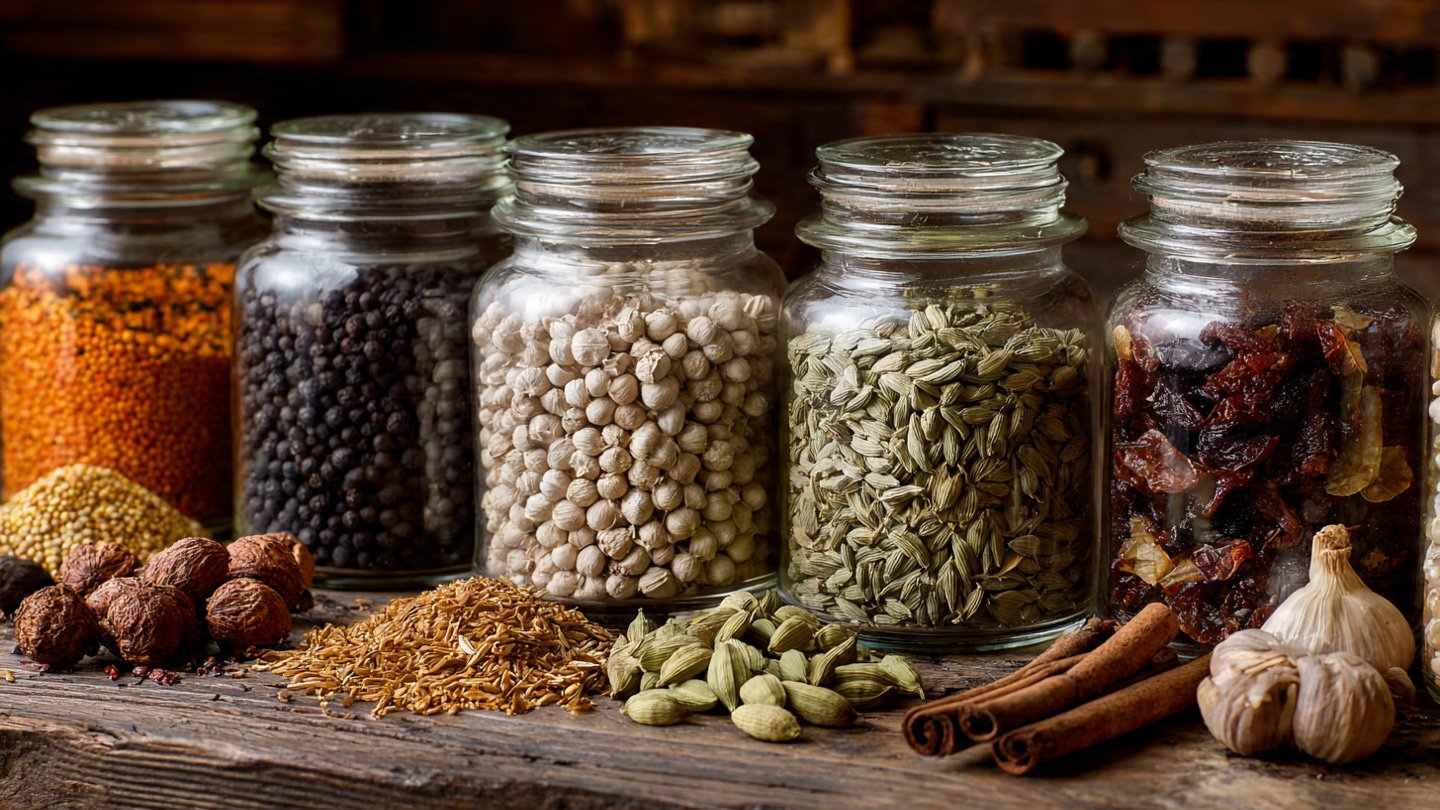
In the culinary world, the texture, flavor, and aroma of dishes can be profoundly affected by how ingredients are prepared. One often-overlooked technique that can greatly enhance a dish is the drying of ingredients prior to cooking. Although drying may seem like an extra step, the benefits it offers go far beyond mere aesthetics and can elevate the overall quality of your cooking. In this article, we will explore the various advantages of drying ingredients, providing insights into the science behind the method and practical applications in the kitchen.
Understanding the Drying Process
Before diving into the benefits, it’s essential to understand what drying entails. The process of drying involves the removal of moisture from food, which not only helps preserve it but also affects its characteristics. Traditional drying methods include sun drying, air drying, oven drying, and using dehydrators. Each method has its pros and cons, but they share a common goal: to reduce water content.
Preservation
One of the most straightforward benefits of drying ingredients is preservation. By removing moisture, you create an environment where bacteria, fungi, and enzymes cannot thrive. This prolongs the shelf life of ingredients significantly. Dried fruits, herbs, and vegetables can often last for months or even years when stored in a cool, dry place. For home cooks, this means less waste and more convenience, as you can have a variety of flavors at your fingertips without the pressure to use fresh ingredients before they spoil.
Enhancing Flavor Concentration
The concentration of flavors is another compelling reason to dry ingredients. When moisture is removed, the natural flavors become more concentrated. For example, when tomatoes are dried, their sweetness becomes amplified, making them a fantastic addition to sauces and salads. Similarly, herbs like basil, thyme, and oregano often taste more robust when dried, allowing cooks to use smaller quantities while still achieving a burst of flavor.
Texture Improvement
Texture plays a vital role in the enjoyment of food. Drying can transform the texture of various ingredients, making them more appealing in specific dishes. For instance, dried mushrooms can add an earthy, umami flavor to a dish while also providing a chewy texture that contrasts well with softer components. Similarly, dried fruits can provide bursts of sweetness and a chewy texture that enhances baked goods, salads, or granola.
Nutritional Benefits
While some nutrients may be lost during the drying process, many essential vitamins and minerals remain intact. For example, dried fruits retain fiber and essential vitamins such as vitamin A, vitamin C, and several B vitamins. Even drying herbs can help preserve their nutritional value, allowing you to incorporate rich flavors without sacrificing essential nutrients. Including dried ingredients in your cooking can contribute to a nutritionally balanced diet, especially in recipes where fresh ingredients are not readily available.
Versatility in Cooking
Dried ingredients can be incredibly versatile, lending themselves to a wide range of culinary applications. Dried herbs can be easily added to marinades, sauces, and soups without the need for chopping or bruising. Similarly, dried fruits can be used in sweet and savory dishes, from oatmeal to grain salads. This versatility allows cooks to experiment and create dishes that highlight the seasonings and flavors they enjoy most.
Convenience and Accessibility
In our fast-paced lives, convenience is often a deciding factor in meal preparation. Dried ingredients offer a convenient solution for busy cooks. They are lightweight, require no refrigeration, and can be stored in pantry staples. Having a well-stocked pantry of dried ingredients means you can whip up a delicious meal at a moment’s notice. For instance, incorporating dried beans into soups and stews is not just cost-effective but also reduces preparation time when compared to soaking and cooking fresh beans.
Cost-Effectiveness
Dried ingredients tend to be more cost-effective than their fresh counterparts, especially seasonal items. Buying fresh produce during peak seasons can indeed be cheaper, but having dried alternatives allows for year-round access. Furthermore, the longer shelf life of dried ingredients means fewer trips to the grocery store and reduced likelihood of food waste.
Enhancing Cooking Techniques
Drying ingredients can also enhance various cooking techniques. For example, adding dried herbs to cold oils or butters allows the flavors to infuse more efficiently than when using fresh herbs. Similarly, rehydrating dried mushrooms or fruits in warm water can further intensify flavors before they are added to a dish. This technique allows for deeper flavor integration and a more cohesive dish.
Improved Marination
Marinades are essential for infusing meat with flavor. Using dried herbs and spices in a marinade can increase the potency of flavor. They create a more robust flavor profile that can penetrate the meat more effectively. This method can be particularly beneficial for tougher cuts of meat that require longer marination times to become tender and flavorful.
Sustainability
Utilizing dried ingredients can also be a more sustainable choice. By preserving fruits, vegetables, and herbs, you reduce food waste and make the most out of seasonal produce. This practice aligns well with eco-friendly cooking habits, minimizing environmental impact while maximizing flavor. Moreover, purchasing dried ingredients often comes from companies that promote sustainable practices in agriculture and harvesting.
Culinary Traditions
Many culinary traditions around the world have relied on drying as a preservation and flavor enhancement technique for centuries. For example, sun-dried tomatoes are a staple in Mediterranean cuisine, while dried chilies are celebrated in Mexican culinary traditions. Embracing these techniques not only connects us to cultural practices but also expands our culinary repertoire.
Practical Tips for Drying Ingredients
-
Choose Quality Ingredients: The quality of the fresh ingredient will directly affect the taste of the dried version. Always select ripe, unblemished produce.
-
Correct Drying Method: Depending on the ingredient, different drying methods may be more suitable. For instance, herbs can be air-dried, while fruits may benefit from a dehydrator or oven drying.
-
Storage: Store dried ingredients in airtight containers, away from light and moisture, to prolong their shelf life. Keeping them in a cool, dark pantry is ideal.
-
Hydration: When rehydrating dried ingredients, use warm water or broth for added flavor. Allowing them to soak for a longer period can improve their texture and taste.
-
Experiment: Don’t hesitate to experiment with different types of dried ingredients in your dishes. Incorporate dried herbs into dressings, add dried fruits into stews, or top baked goods with chopped dried nuts.
Conclusion
The practice of drying ingredients before use in cooking offers myriad benefits, from enhancing flavor and texture to prolonging shelf life and increasing the versatility of your pantry. Understanding the underlying science can demystify the process, encouraging cooks to incorporate dried ingredients into their everyday culinary routines. As we embrace seasonal eating, sustainability, and creativity in the kitchen, drying becomes not just a preservation method but a valuable culinary tool. By appreciating the vast potential of dried ingredients, we can elevate our cooking and enjoy a diverse range of flavors year-round. So, the next time you’re considering a recipe, don’t overlook the power of dried ingredients—your dishes might just thank you!