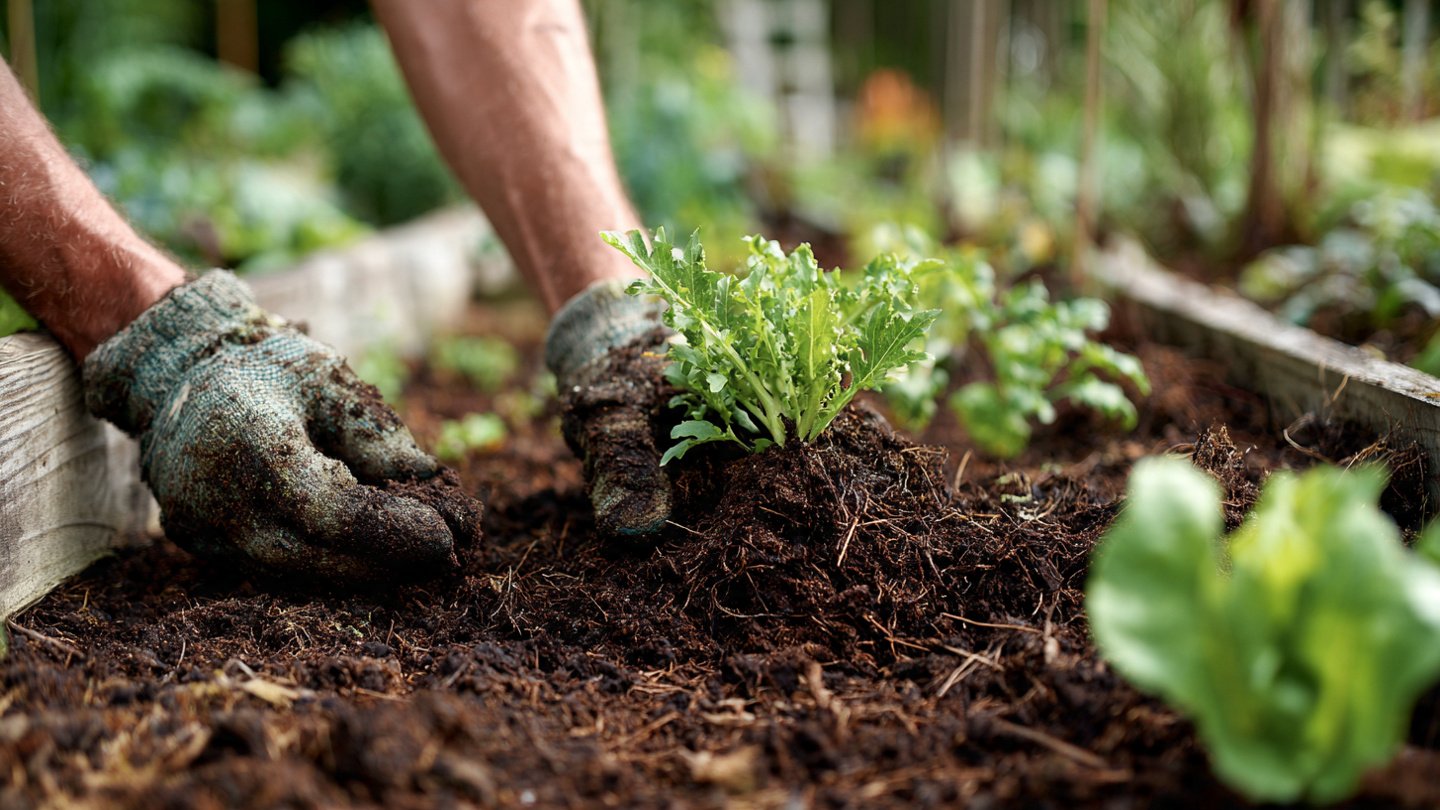
A kitchen garden brimming with vegetables, herbs, and flowers is a source of joy, nourishment, and sustainability. However, the secret to a thriving kitchen garden lies not just in selecting the right seeds or plants but also in nurturing the soil. Healthy soil is alive with organisms, nutrients, and structure that support plant growth. This article explores methods to revitalize soil life, ensuring your kitchen garden flourishes.
Understanding Soil Life
Soil Composition
Soil is a complex ecosystem teeming with life. Composed of mineral particles, organic matter, water, and air, soil holds a treasure trove of nutrients. The living components include bacteria, fungi, earthworms, insects, and larger organisms. Together, these components work to create a fertile environment for plants.
Importance of Soil Life
Healthy soil supports healthy plants. Soil organisms play critical roles:
- Nutrient Cycling: Microorganisms decompose organic matter, releasing essential nutrients back into the soil for plant uptake.
- Soil Structure: Earthworms and fungi help improve soil structure, enhancing its ability to retain water and air.
- Disease Resistance: Healthy microbial communities can suppress soil-borne diseases, protecting plants from various pathogens.
- Organic Matter Breakdown: Soil life assists in breaking down organic matter, enriching the soil and improving its fertility.
Signs of Poor Soil Health
Recognizing signs of poor soil health is the first step towards revitalization:
- Compacted Soil: Poor aeration leads to restricted root growth and water infiltration.
- Low Soil Fertility: Stunted growth, yellowing leaves, and poor fruit production indicate a lack of essential nutrients.
- Pest and Disease Problems: Frequent pest infestations and diseases often point to imbalanced soil health.
- Erosion: Eroded soil reveals a lack of structure and fertility, making it challenging for plants to thrive.
Steps to Revitalize Kitchen Garden Soil Life
1. Assess Soil Health
Before making changes, assess your soil’s current condition. You can perform a soil test to evaluate pH levels, nutrient content, and organic matter concentration. Many extension services offer soil testing kits that provide valuable insights. Understanding your soil’s baseline is essential for targeted improvements.
2. Add Organic Matter
Organic matter is crucial for revitalizing soil life. It enhances nutrient availability, improves water retention, and fosters a diverse population of soil organisms. Here are some effective ways to incorporate organic matter:
- Compost: Craft your own compost using kitchen scraps, yard waste, and other organic materials. Compost enriches the soil with nutrients and beneficial microorganisms.
- Mulch: Spread a layer of organic mulch (like straw, wood chips, or grass clippings) around plants. Mulch suppresses weeds, retains moisture, and contributes to soil fertility as it breaks down.
- Green Manures/Cover Crops: Grow cover crops such as clover or legumes during the off-season. They improve soil structure and contribute organic matter when tilled back into the soil.
3. Encourage Soil Microorganisms
Soil microorganisms are the backbone of a thriving garden. To encourage their growth:
- Avoid Chemical Fertilizers and Pesticides: Synthetic chemicals kill beneficial microorganisms and disrupt the natural ecosystem.
- Introduce Mycorrhizal Fungi: These beneficial fungi form symbiotic relationships with plant roots, enhancing nutrient uptake. You can purchase mycorrhizal inoculants or encourage their growth by planting specific crops.
- Use Compost Tea: This liquid fertilizer made by steeping compost in water contains various beneficial microorganisms. It boosts soil life and plant health.
4. Practice Crop Rotation
Regularly rotating crops prevents nutrient depletion and breaks disease cycles. Different plants use varying nutrients, so rotating ensures that no single nutrient becomes overly depleted. It also reduces the buildup of pathogens and pests that can occur when the same crops are grown in the same location year after year.
5. Maintain Proper pH Levels
Soil pH affects nutrient availability. Most vegetables thrive in slightly acidic to neutral soil (pH 6.0 to 7.0). If your soil test reveals imbalanced pH levels, amend accordingly:
- To Lower pH: Incorporate elemental sulfur or peat moss.
- To Raise pH: Add lime or wood ash.
6. Improve Drainage and Aeration
Compacted soil inhibits root growth and limits access to nutrients and water. To enhance drainage and aeration:
- Tilling: Lightly till compacted soil, but avoid excessive disturbance that can harm soil structure.
- Soil Amendment: Incorporate coarse materials like sand or perlite to improve drainage.
7. Water Wisely
Watering practices influence soil health. Overwatering can lead to soil saturation, reducing oxygen availability for roots and microorganisms. Here are some tips:
- Drip Irrigation: Use drip systems to deliver water directly to the root zone, preventing oversaturation.
- Mulching: Mulch helps retain moisture while preventing evaporation.
8. Increase Biodiversity
Diverse planting increases resilience and promotes a healthy soil ecosystem. Here’s how to improve biodiversity:
- Mix Plants: Consider polyculture planting, where various crops coexist. This promotes symbiotic relationships and deters pests.
- Native Plants: Incorporate native plants into your garden. They adapt well to local conditions and support local wildlife, including beneficial insects.
9. Minimize Soil Disturbance
Limiting soil disturbance preserves soil structure and the delicate balance of soil life. Adopt practices like no-till or reduced-till gardening to minimize disruption.
10. Monitor and Adjust
Regularly monitor your garden’s health. Observe plant growth, soil moisture, and symptoms of pests or diseases. Adjust your practices based on observations — this will be an ongoing process as seasons change.
Conclusion
A thriving kitchen garden starts with revitalizing the soil. By nurturing soil life through organic amendments, biodiversity, and sustainable practices, you create a resilient ecosystem that supports robust plant growth. Healthy soil is not just a passive medium; it’s a living organism that contributes to the success of your garden.
As you embark on this journey, remember that revitalizing soil life is a gradual process, and patience is key. With time, care, and attention, your kitchen garden will flourish, providing fresh produce and a deeper connection to nature. Happy gardening!