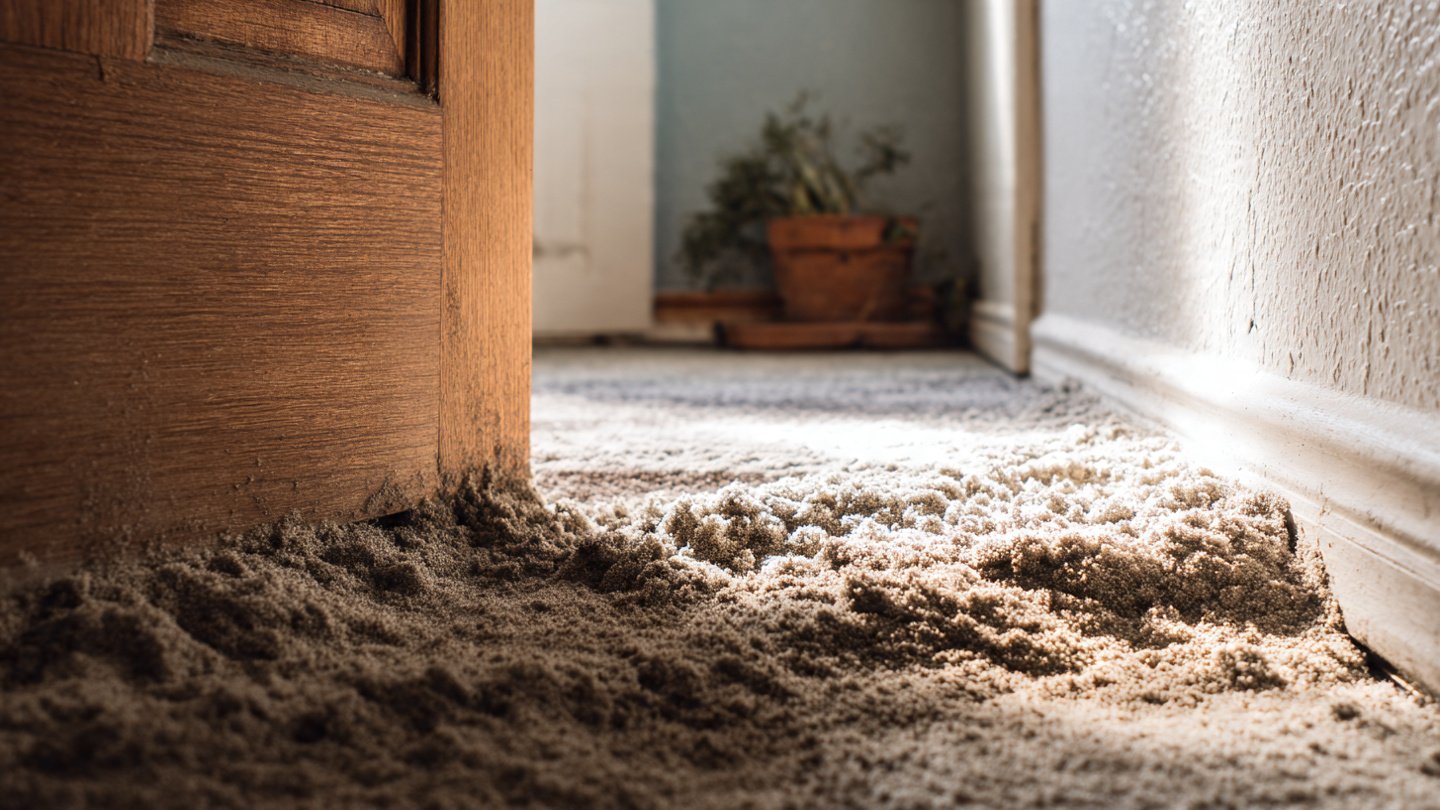
Throughout various environments—be it homes, offices, or public spaces—certain areas tend to accumulate more dirt than others. One of the most notable locations for this phenomenon is the entryway. This section will explore the reasons why dirt collects more quickly near entryways than in other areas of a building.
1. Increased Foot Traffic
Entryways are the primary point of access for any building. The sheer volume of foot traffic that passes through these areas creates an immediate environment conducive to dirt accumulation. Visitors, residents, and employees enter and exit multiple times throughout the day, tracking in dirt, mud, and other debris from outside.
2. Weather Conditions
Weather plays a significant role in the amount of dirt brought into an entryway. Rain, snow, and mud can cause outdoor surfaces to become filthy, which easily transfers to footwear. In climates that experience varied weather, entryways often see more mud and moisture tracked indoors, which then dries and turns into a layer of grime.
3. Surface Material
The material used for flooring in entryways can also greatly impact dirt accumulation. Hard surfaces, like tile or concrete, may show dirt more readily than carpeted areas. However, carpet can hold onto dirt particles and contribute to an overall filthy appearance over time, especially in high-traffic entryways. The choice of flooring material influences how dirt is perceived and ultimately accumulates.
4. Design and Layout Factors
The design of an entryway can significantly influence how dirt accumulates. Open spaces allow dirt to settle, while narrow hallways and staircases create a confined area where dirt can linger without being easily cleaned. Furthermore, features like doormats can either trap debris or fail to do so, resulting in cleaner or dirtier entryways.
5. Maintenance Practices
Consistency in cleaning practices is crucial in managing dirt accumulation. Entryways are often high-priority areas, but cleaning schedules might be irregular. Neglecting these spaces can lead to a quick buildup of dirt and grime. Conversely, if regular maintenance is enforced, the dirt accumulation can be significantly reduced, making entryways more sanitary and visually appealing.
6. Seasonal Changes
As seasons change, so do the types of dirt brought into entryways. In spring, pollen and mud from melting snow become common. Summer may bring more dust and grass clippings, while fall introduces leaves and sediment, and winter may involve snow and ice. Each season brings unique debris that can contribute to the dirt levels near entryways.
7. Human Behavior
People have varying habits regarding cleanliness. Many may not take the time to wipe their feet before entering, leading to dirt accumulation. Furthermore, some individuals may neglect to properly clean up spills or messes in entryways, exacerbating the problem. Awareness of these behaviors can lead to better cleaning strategies and materials to combat dirt.
8. Outdoor Landscape Influences
The landscaping surrounding a building can also impact dirt accumulation. Areas with finely crushed gravel, bare soil, or high-density grass can produce more debris that can be tracked indoors. The proximity of landscaping features to entryways may directly correlate with the amount of dirt that enters a building.
9. Airborne Particulate Matter
Dirt is not just a product of what one walks on; it can also be carried in through the air. Dust particles and allergens can make their way into entryways through open doors and windows or by simply being brought in on clothing. These airborne contaminants can settle and create a noticeable layer of grime.
10. Importance of Effective Barrier Systems
To mitigate dirt accumulation near entryways, effective barrier systems such as mats, grates, and cleaning stations can be employed. These tools provide a first line of defense, capturing dirt before it has a chance to spread further into the building. Quality entryway mats can greatly reduce the amount of dirt tracked indoors and should be regularly maintained and cleaned.
Conclusion
From increased foot traffic and seasonal changes to surrounding landscaping and human behavior, several interrelated factors contribute to dirt accumulating more quickly near entryways. Knowing these factors can help in developing effective cleaning strategies and preventive measures that ensure a cleaner and healthier indoor environment. By focusing on maintenance, design, and human habits, we can reduce the buildup of dirt and enhance the appearance and hygiene of these critical spaces.
FAQs
1. How often should I clean entryways in my home?
It is advisable to clean entryways at least once a week, or more frequently if you live in a high-traffic area or have pets.
2. Can using a heavier doormat help reduce dirt accumulation?
Yes, a heavier or thicker doormat can help trap more dirt and debris, reducing the amount of grime tracked inside.
3. What type of flooring is best for entryways?
Tile or vinyl flooring is often recommended for entryways as they are easier to clean and less likely to hold onto dirt compared to carpet.
4. Should I consider outdoor mats as well?
Absolutely! Outdoor mats can effectively reduce the amount of dirt that gets tracked inside by providing an area for individuals to wipe their feet before entering.
5. How can I encourage better cleaning habits among family members?
Communicate the importance of cleanliness and consider setting up a cleaning schedule that involves everyone in the household to encourage participation.