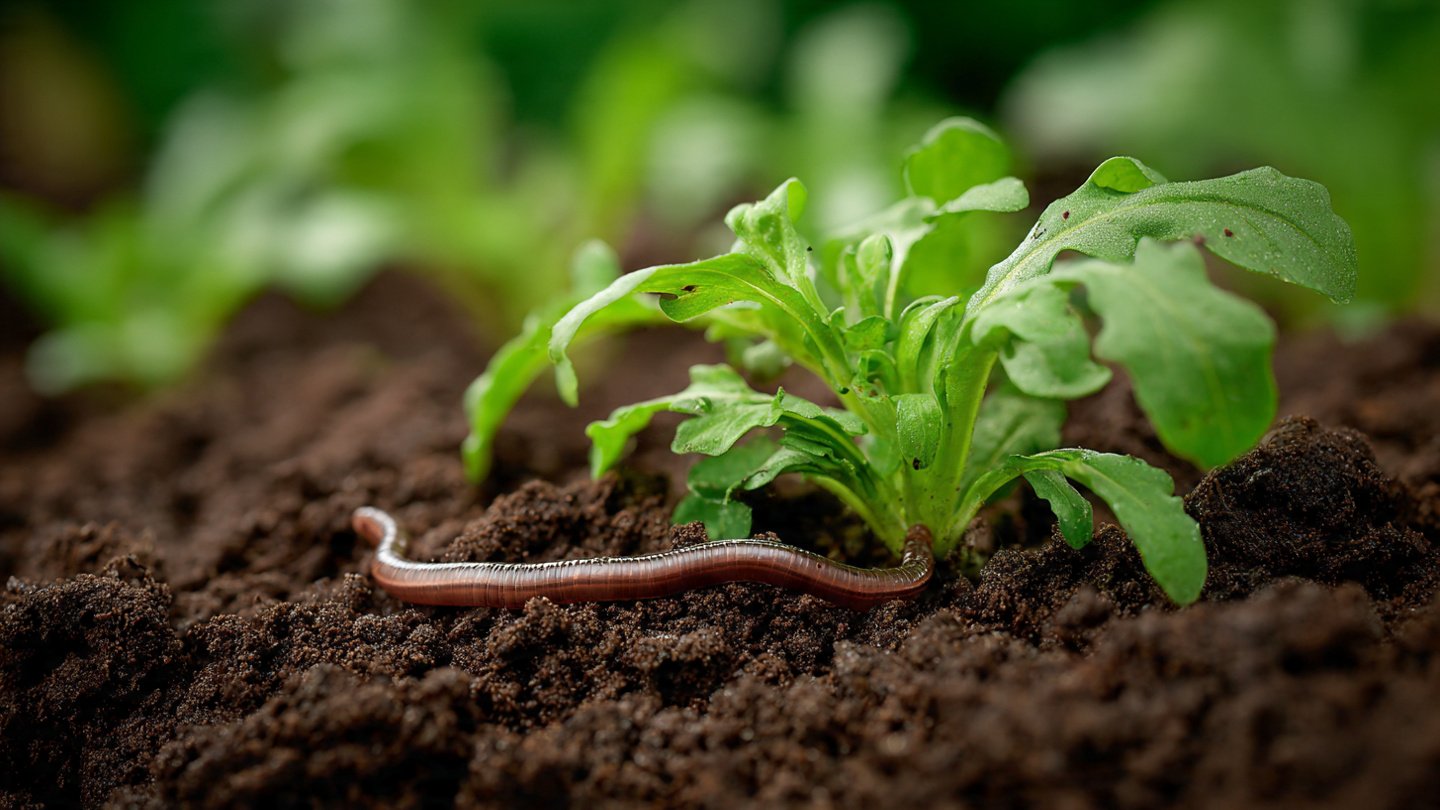
Gardening enthusiasts know that healthy soil is the cornerstone of a productive garden. One of the key indicators of fertile soil is the presence of earthworms. These little creatures play a vital role in soil health, helping to aerate the soil, improve drainage, and break down organic matter into nutrients that plants can readily absorb. However, many gardeners find that their kitchen garden soil lacks these essential organisms. This article delves into the various reasons why your garden soil may be devoid of worms and offers solutions to rectify the situation.
1. Soil Composition
1.1 Texture Matters
The texture of your soil can significantly impact worm populations. Worms prefer loamy soil, which is a balanced mix of sand, silt, and clay. If your soil is predominantly sandy or clayey, it may not be conducive to hosting worms. Sandy soil drains too quickly, failing to retain moisture, while clay soil tends to be compacted and lacks aeration.
1.2 pH Levels
The pH level of your soil also determines worm presence. Earthworms thrive in slightly acidic to neutral soils (pH 6.0 to 7.0). If your soil is too acidic (low pH) or too alkaline (high pH), it can create an inhospitable environment for these creatures. Testing your soil’s pH can help you understand whether this might be an issue.
2. Soil Health and Organic Matter
2.1 Lack of Organic Material
Worms require organic material for food and shelter. If your garden soil lacks compost, leaf litter, or other organic matter, it won’t support a healthy worm population. Earthworms feed on decomposing plant material and microorganisms, so incorporating compost or organic fertilizers can encourage their presence.
2.2 Excessive Use of Chemicals
Chemical fertilizers and pesticides can have detrimental effects on the soil ecosystem. Many gardeners unknowingly harm earthworm populations by applying synthetic fertilizers that alter soil chemistry. Moreover, pesticides can kill worms directly or disrupt their habitat by affecting the microbial life they rely on for food.
3. Moisture Levels
3.1 Inadequate Watering
Worms need moisture to survive. If your garden soil is excessively dry, the worm population can dwindle as they struggle to find suitable living conditions. On the other hand, overly saturated soil can also deter worms by creating anaerobic conditions (lack of oxygen). Achieving the right balance of moisture is crucial; aim for soil that is damp but not waterlogged.
3.2 Draining Issues
Poor drainage can lead to waterlogged soil, which is inhospitable for worms. Excess moisture can lead to the decomposition of organic matter without sufficient aeration, creating an anaerobic environment where worms can’t thrive. Assess your garden’s drainage capabilities and address any issues by incorporating organic matter or adjusting the soil composition.
4. Temperature Extremes
4.1 Climate Considerations
Earthworms are sensitive to temperature changes. Extreme heat can dry out the soil, while freezing temperatures can kill them. If you live in an area with harsh seasonal variations, your worm population may struggle to survive. During droughts, worms burrow deeper into the soil to find moisture, sometimes making them harder to detect.
4.2 Soil Coverage
Providing adequate mulching can help moderate soil temperature and retain moisture. This practice not only benefits earthworms but also improves plant health.
5. Tillage Practices
5.1 Over-Tilling
While tilling is often regarded as a necessary practice for aerating and preparing soil, excessive or improper tilling can devastate earthworm populations. Worms can be physically harmed during the tilling process, and frequent disruption of their habitat makes it hard for them to establish stable communities.
5.2 No-Till Gardening
Consider adopting no-till gardening methods. By minimizing soil disruption, you can foster a more stable environment for worms and improve overall soil health through natural processes.
6. Compaction and Soil Density
6.1 Foot Traffic
Soil compaction is a serious issue that inhibits worm movement and decreases soil health. Areas with heavy foot traffic, such as walking paths, can become compacted, making it difficult for worms to thrive.
6.2 Aeration Techniques
Implementing aeration techniques can help alleviate compaction. You can use tools to create holes in the soil, allowing air and moisture to penetrate deeper and fostering a more hospitable environment for worms.
7. Surrounding Environment
7.1 Neighboring Plant Life
The type of plants growing around your garden can influence worm populations. Certain plants may attract beneficial soil organisms, while others might deter them. Research the flora in your vicinity and consider planting varieties that improve soil health and encourage worms.
7.2 Biodiversity
Incorporating a diverse range of plants can create a more balanced ecosystem, promoting the presence of worms and other beneficial organisms. Companion planting can help you achieve better biodiversity.
8. Wildlife Pressure
8.1 Predators and Competitors
Certain garden pests, such as birds and rodents, may predate on worms, reducing their numbers. Similarly, competing soil organisms can influence the balance and availability of resources for earthworms.
8.2 Balanced Ecosystems
By fostering a balanced ecosystem with various species, you can help to mitigate predation pressures. Consider creating habitats or shelters for worms that may provide them protection against predators.
9. Testing and Amendments
9.1 Soil Testing Kits
Before making any significant changes, a thorough soil test can provide valuable insights into the conditions of your soil. Home testing kits for pH, nutrient levels, and organic matter are widely available and can guide your amendments.
9.2 Adjusting Based on Results
Once you receive your soil test results, use them to formulate an action plan. Whether it’s adjusting the pH, increasing organic matter, or changing watering practices, informed decisions will help in building a healthier soil ecosystem.
Conclusion
Understanding the reasons why your kitchen garden soil lacks earthworms is essential for promoting a healthy and productive garden. Factors such as soil composition, moisture levels, drainage, temperature, tillage practices, and surrounding ecosystems play pivotal roles in determining worm populations. By addressing these variables through careful management and cultivation strategies, you can create a thriving environment that supports not only earthworms but also the entire microbial ecosystem crucial for plant health.
As you navigate the world of gardening, consider the intricate relationships within your soil. Foster these connections through sustainable practices, and you’ll witness the benefits not just for earthworms, but for your kitchen garden as a whole. In doing so, not only will your dwindling worm population flourish, but so too will the health and productivity of your garden. Happy gardening!