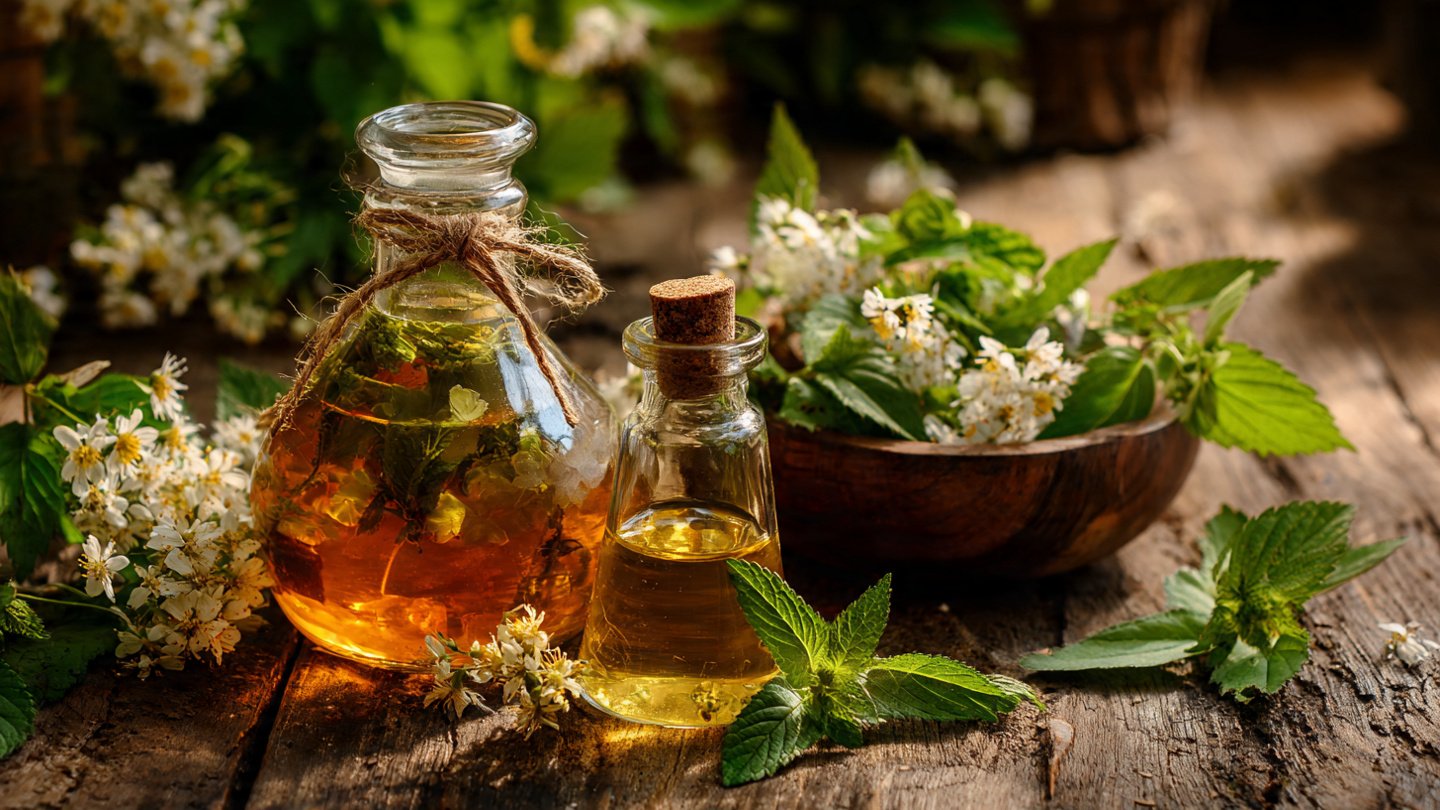
In today’s fast-paced world, stress has become a common aspect of life, affecting our physical and mental health. As a result, many people are turning to natural remedies as alternatives or complements to traditional medical treatments. This article will delve into the science behind popular natural remedies and their benefits in reducing stress, improving well-being, and enhancing overall quality of life.
Understanding Stress
Before exploring natural remedies, it’s crucial to understand what stress is and how it impacts our bodies. Stress is defined as a physical and emotional response to challenges or demands. It triggers a “fight or flight” response, releasing hormones like cortisol and adrenaline. While some stress can be beneficial and motivating, chronic stress can lead to serious health issues such as anxiety, depression, cardiovascular problems, and weakened immune function.
The Physiology of Stress
When faced with a stressor, the hypothalamus in the brain signals the adrenal glands to release stress hormones. This hormonal surge prepares the body to react to danger. However, when stress is persistent, the continued release of these hormones can disrupt various bodily functions, leading to:
- Mental Health Issues: Chronic stress can precipitate anxiety disorders, depression, and cognitive decline.
- Physical Health Problems: Elevated cortisol levels have been linked to weight gain, elevated blood pressure, and even diabetes.
- Weakened Immune System: Prolonged stress can detract from the body’s ability to fight infections.
Given its far-reaching effects, addressing stress is vital for maintaining holistic health.
Natural Remedies for Stress Relief
1. Herbal Supplements
Numerous studies have investigated the effectiveness of various herbal supplements in managing stress:
Adaptogens
Adaptogenic herbs like Ashwagandha, Rhodiola Rosea, and Holy Basil help the body adapt to stress by regulating hormone levels and enhancing the body’s resilience to stressors.
- Ashwagandha: Research indicates that it may lower cortisol levels, thereby reducing stress and anxiety.
- Rhodiola Rosea: This herb has shown promise in enhancing mental resilience and athletic performance while reducing fatigue and burnout.
- Holy Basil: Known for its calming effects, it may also help balance hormonal changes associated with stress.
2. Aromatherapy
Aromatherapy utilizes essential oils to promote well-being. Certain scents can have profound effects on mood and stress levels:
- Lavender: Extensive research suggests lavender oil can significantly reduce anxiety levels, especially in clinical settings.
- Chamomile: Known for its soothing properties, chamomile is effective in promoting relaxation and sleep quality.
- Bergamot: Studies indicate that bergamot can lower cortisol levels and improve mood, helping to alleviate anxiety.
3. Nutritional Approaches
Diet plays an essential role in stress management. Certain foods can help modulate stress hormones:
Omega-3 Fatty Acids
Found in fish like salmon, walnuts, and flaxseeds, omega-3 fatty acids have anti-inflammatory properties and may help reduce symptoms of anxiety.
Dark Chocolate
Rich in antioxidants, moderate consumption of dark chocolate has been linked to reduced cortisol levels and improved mood. It contains flavonoids that enhance brain function and induce feelings of well-being.
Herbal Teas
Teas such as chamomile, green tea (rich in L-theanine), and peppermint can soothe the nervous system and aid in relaxation.
4. Mindfulness and Meditation
Mindfulness practices have gained traction for their stress-reducing benefits. Research shows that regular mindfulness meditation can:
- Decrease anxiety and depression
- Enhance emotional regulation
- Improve cognitive flexibility
These practices train the brain to remain present and reduce rumination on stressors, leading to a more peaceful mindset.
5. Physical Activity
Exercise is one of the most effective natural stress relievers. Engaging in physical activity releases endorphins, the body’s natural mood enhancers.
Specific Benefits of Exercise on Stress
- Aerobic Exercise: Activities like running, cycling, and swimming have been shown to lower levels of cortisol and adrenaline, providing an immediate calming effect.
- Yoga: Combining movement with breath control and mindfulness, yoga has been shown to reduce stress markers and improve mental clarity.
- Strength Training: Even resistance training can lead to improvements in mood and reductions in anxiety.
The Science of Low Stress Benefits
Psychological Benefits
Lower stress levels correlate with improved mental health outcomes. Reduced anxiety and depression lead to greater emotional resilience and improved life satisfaction.
- Enhanced Cognitive Function: Stress impairs cognitive function, including memory and decision-making. With lower stress levels, individuals can think more clearly and make better choices.
- Better Relationships: Chronic stress can strain relationships; managing it leads to healthier interactions and better communication.
Physical Health Benefits
Managing stress through natural remedies positively affects physical health by:
- Lowering Blood Pressure: Meditation, yoga, and exercise significantly contribute to healthier blood pressure levels and improved cardiovascular health.
- Boosting Immune Function: A well-regulated stress response enhances immune function, making individuals less susceptible to infections.
- Improving Sleep Quality: Natural remedies like herbal teas and calming essential oils promote relaxation, leading to better sleep patterns.
Quality of Life
Integrating natural remedies into daily life can transform overall quality of life. Lower stress levels result in:
- Increased Productivity: Individuals are often more focused and efficient when stress is managed.
- Greater Emotional Stability: A calmer mindset fosters emotional balance, enhancing resilience to everyday challenges.
- Enhanced Creativity: With reduced anxiety, creative thinking flourishes, promoting problem-solving and innovation.
Conclusion
The modern lifestyle often brings about stress that can have detrimental effects on our mental and physical health. However, the science behind natural remedies showcases their efficacy in promoting low stress and improving overall well-being. From herbal supplements and nutritional approaches to mindfulness practices and exercise, these strategies not only alleviate stress but also enrich our quality of life.
As research continues to explore the intersection of natural remedies and psychological health, a holistic approach to stress management will gain prominence, empowering individuals to take charge of their health. Embracing natures’ bounty offers not only a pathway to stress relief but also a journey toward a healthier, more fulfilled life.