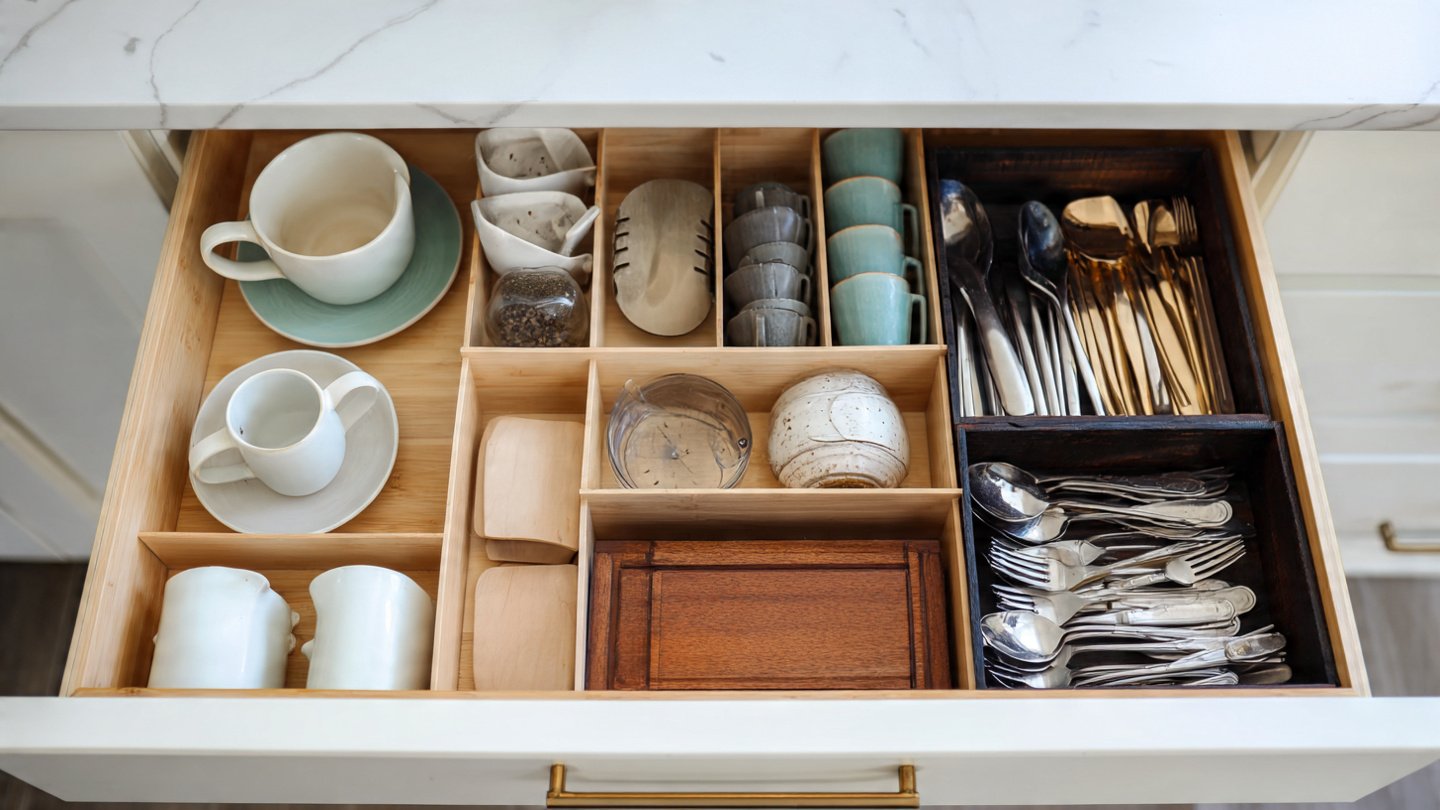
A well-organized kitchen can revolutionize how you cook, prepare meals, and even entertain guests. One of the critical areas often overlooked in kitchen organization is the drawers. These small spaces tend to accumulate clutter, making it challenging to find the tools and utensils you need when you need them. Thankfully, there are simple, effective habits you can adopt to keep your kitchen drawers neat and organized. This article will explore these habits in detail, offering insights and tips that can transform your kitchen experience.
1. Assess and Declutter
The Importance of Assessment
Before diving into organization techniques, you need to assess what you currently have. Open each drawer and take stock of the contents. Ask yourself:
- Do I use this item regularly?
- Is this item broken or unusable?
- Does this item belong in this drawer?
Decluttering Steps
-
Empty the Drawer: Start by removing everything from the drawer. This will give you a clear view of what you own.
-
Sort Items: Create three categories: Keep, Donate/Sell, and Trash.
-
Be Ruthless: If you haven’t used an item in the last year, consider letting it go. This step is crucial for making space for what you actually need.
Final Check
Once you’ve sorted through everything, do a final check to ensure you are only keeping items you actively use.
2. Define Zones
Understanding Kitchen Zones
Just as every room in your home serves a specific purpose, your kitchen should have designated zones. By defining zones within your kitchen, you can streamline how you store and access items.
Zones to Consider
-
Cooking Tools Zone: Store pots, pans, spatulas, and measuring cups in one drawer or area.
-
Cutlery Zone: Keep knives and scissors together for easy access.
-
Baking Zone: Reserve space for baking sheets, mixers, and measuring spoons.
-
Miscellaneous Zone: Items that are rarely used, like specialty utensils, can go in one drawer.
Implementation
Once you’ve defined your zones, place items in their designated areas. This will not only keep your drawers organized but will also save you time when you’re preparing meals.
3. Use Drawer Organizers
Types of Organizers
Investing in drawer organizers can drastically improve how you use your kitchen space. Here are some popular options:
-
Cutlery Trays: These can separate utensils and help prevent clutter. Look for trays with adjustable sections for a custom fit.
-
Dividers: Drawer dividers can be used to create specific sections for cooking tools, measuring cups, etc.
-
Stackable Bins: Use stackable bins to maximize vertical space, especially in deeper drawers.
Custom Solutions
Not all drawers are created equal, so sometimes it helps to get creative. You might consider repurposing small boxes or containers to organize smaller items, ensuring you utilize all available space efficiently.
4. Group Similar Items
The Benefits of Grouping
Grouping similar items helps reduce clutter and makes it easier to find what you need. For instance, keep all measuring tools in one spot, while spatulas and turners can share another drawer.
Creative Grouping Ideas
-
Color Coding: Use colored bins for easy identification if you have many similar items.
-
Size Grouping: Store smaller items together to make it simpler to see everything at a glance.
Labeling
Once you’ve grouped items, consider labeling the sections. This can be especially helpful for family members or anyone else who might use your kitchen.
5. Regular Maintenance
Schedule Regular Check-ins
To keep your kitchen drawers organized, consider scheduling regular maintenance checks. A quick monthly review can help you identify any clutter before it becomes an issue.
Quick Maintenance Tips
-
Daily Clean-Up: After cooking, take a minute to return utensils to their designated places.
-
Weekly Checks: Set aside time each week to make sure items are still in their zones.
-
Seasonal Overhaul: Every season, conduct a thorough declutter and reassess. This can be aligned with other cleaning habits you may have.
6. Invest in Quality Tools
The Value of Good Tools
Investing in high-quality kitchen utensils and tools can significantly reduce clutter. Quality items tend to last longer, saving you the hassle of constantly replacing broken or dull tools.
Tools to Invest In
-
Multi-functional Utensils: Look for items like measuring cups with built-in scales or mixing bowls that double as storage containers.
-
Durable Cutting Boards: A good cutting board can take the place of several other tools, decluttering your drawers.
-
Magnetic Strips: Consider using magnetic strips for knives or metal utensils; this can free up drawer space and keep them within easy reach.
7. Adapt and Evolve
The Fluid Nature of Organization
What works today may not necessarily work tomorrow. As your cooking habits develop or as new gadgets come into play, you may need to adapt your organization system.
Being Open to Change
-
Trial and Error: Don’t be afraid to experiment with different organizational setups until you find what best suits your needs.
-
Feedback Loop: Ask family members for feedback on the organization system. They may have suggestions that could make things work even better.
8. Educational Resources
Learning from Others
Sometimes, reading books or watching videos on kitchen organization can provide inspiration and new ideas.
Suggested Resources
-
Books: Look for titles focused on minimalism or home organization.
-
Online Videos: YouTube has many channels dedicated to home organization; watching these can give you practical tips.
-
Workshops: Local community centers or stores may offer workshops on home organization.
Conclusion
Incorporating simple habits into your kitchen organization routine can have a lasting impact on your culinary experience. By assessing and decluttering your kitchen drawers, defining zones, using organizers, grouping similar items, maintaining order, investing in quality tools, and remaining open to adapting your methods, you will create a functional and inviting space.
A well-organized kitchen not only enhances your efficiency but also makes cooking a more enjoyable experience. So, take a moment to start implementing these habits today, and soon you’ll be on your way to a beautifully organized kitchen that inspires the chef in you.