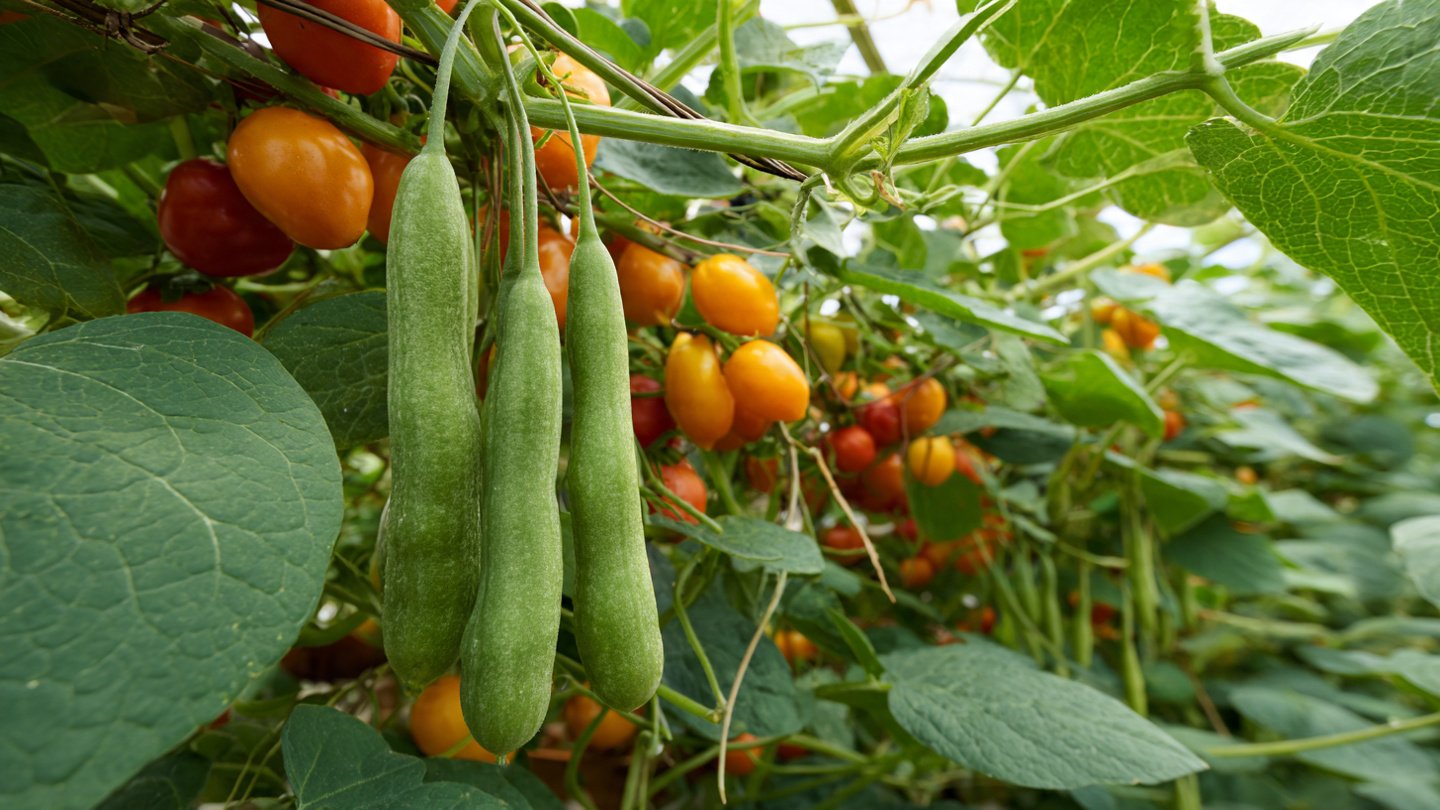
Growing a kitchen garden can be a rewarding endeavor, providing fresh produce right at your doorstep. However, many gardeners face a common challenge: growth delays. Understanding the factors that contribute to these delays can empower you to create a more productive and thriving kitchen garden. In this article, we’ll explore the various reasons for growth delays, including environmental factors, soil health, pest management, and more.
1. Environmental Factors
1.1 Climate and Weather
The climate in your region significantly affects plant growth. Temperature plays a vital role, as most vegetables have specific temperature ranges conducive to their growth. For example, cold-sensitive crops like tomatoes and peppers require warm temperatures to thrive. If planting occurs too early in the season when it’s still chilly, the seeds may not germinate, or seedlings may develop slowly.
Additionally, unexpected weather events—such as prolonged rain or a late frost—can slow down growth rates. Consistently high humidity levels can foster disease, while drought can impede water uptake and stifle growth.
1.2 Light Exposure
Light directly influences photosynthesis, the process by which plants convert sunlight into the energy needed for growth. Insufficient sunlight can lead to leggy, weak plants that struggle to produce fruit. Evaluate your garden’s layout to ensure your plants are receiving adequate sunlight. Most vegetables require at least 6-8 hours of direct sunlight each day. If your garden is shaded by trees or buildings, consider relocating some plants or removing impediments to light.
2. Soil Health
2.1 Nutrient Deficiency
Nutrient-rich soil is essential for vigorous plant growth. A deficiency in primary nutrients such as nitrogen, potassium, or phosphorus can lead to stunted growth, yellowing leaves, or poor yield. Regularly testing your soil can help determine its nutrient profile. Based on the results, you can amend your soil with organic fertilizers, compost, or other natural supplements to improve its nutrient content.
2.2 Soil Structure
Soil structure plays a crucial role in water retention and drainage. Compacted soil can impede root development, reducing access to nutrients and water. If your soil is compacted, consider adding organic matter, such as compost or peat moss, to improve aeration and create a friable texture.
2.3 pH Levels
The pH level of your soil significantly impacts nutrient availability. Most garden vegetables thrive in a pH range of 6.0 to 7.0. If your soil is too acidic or alkaline, essential nutrients may not be accessible, affecting plant growth. Soil testing can provide insight into pH levels, and amendments like lime or sulfur can be used to adjust if necessary.
3. Watering Practices
3.1 Overwatering
While plants need water to thrive, overwatering can lead to waterlogged soil, which suffocates roots and promotes root rot. Signs of overwatering include wilting despite wet soil, yellowing leaves, and fungal growth. To prevent overwatering, ensure proper drainage and only water when necessary.
3.2 Underwatering
Conversely, underwatering can lead to stress and stunted growth. Inconsistent watering can prevent seedlings from developing a strong root system. It’s crucial to establish a regular watering routine and consider using mulch to retain soil moisture, especially during hot weather.
4. Pest and Disease Management
4.1 Pests
Insects such as aphids, caterpillars, and beetles can sap the vitality of your plants, leading to delayed growth or crop failure. Regularly inspecting your plants can help identify infestations early. Implement integrated pest management (IPM) strategies, including the use of beneficial insects and organic pesticides to keep pest populations under control.
4.2 Diseases
Fungal infections, bacterial blights, and viral diseases can have serious consequences on plant health and yield. These can arise from various sources, including infected seeds, poor air circulation, or overwatering. Choose disease-resistant varieties and practice crop rotation to minimize disease prevalence. Creating adequate spacing between plants can also improve air circulation and reduce humidity around leaves, further preventing disease.
5. Plant Selection and Varieties
Choosing the right plants for your garden is crucial for ensuring healthy growth. Non-adaptive plant varieties may struggle in your specific climate, leading to delays. Always select varieties that are suited to your growing conditions and disease-resistant varieties when possible.
5.1 Companion Planting
Companion planting can also influence growth rates. Planting certain species together can promote healthy growth by deterring pests or enhancing nutrient uptake. For example, marigolds can be planted alongside vegetables to repel nematodes and other harmful pests.
6. Timing and Seasonality
6.1 Planting Times
Planting at the wrong time of year can result in poor growth or crop failure. Each vegetable has a specific growing season, and planting too early or too late can expose seedlings to unsuitable conditions. To optimize growth, refer to a gardening calendar specific to your region and stay aware of frost dates.
6.2 Succession Planting
This method involves planting crops at intervals to maximize yield throughout the growing season. For instance, follow a spring crop with a summer crop once the first one has been harvested. This strategy can help ensure continual production, reducing gaps in your harvest schedule.
7. Maintenance Practices
7.1 Weeding
Weeds compete with your plants for nutrients, water, and sunlight. Neglecting to manage weed growth can result in stunted growth or poor yields. Regularly check your garden and remove weeds by hand or with tools. Implementing mulch can also suppress weed growth and retain soil moisture.
7.2 Pruning and Thinning
Thinning overcrowded plants allows better airflow and nutrient access, promoting healthier growth. Additionally, regular pruning can help manage plant size and shape, encouraging better light penetration and air circulation.
8. Emotional Factors
Gardening can sometimes be a source of frustration, especially when growth doesn’t meet your expectations. It’s essential to remember that gardening is a journey filled with learning experiences. Developing patience and resilience will lead to a more fulfilling gardening experience, as you’ll be better equipped to adapt to setbacks.
8.1 Community and Support
Being part of a gardening community can provide guidance and moral support. Joining local gardening clubs or online forums can connect you with experienced gardeners who have faced similar challenges. Sharing experiences can open up new strategies and insights for overcoming growth delays.
Conclusion
Understanding the myriad factors that can delay the growth of your kitchen garden is essential for becoming a successful gardener. By examining environmental conditions, soil health, watering practices, pest management, plant selection, timing, and maintenance practices, you can troubleshoot and optimize your gardening efforts. Remember that gardening is as much about the journey as the destination. Through trial and error, patience, and a desire for learning, you can cultivate a bountiful kitchen garden that brings joy and nourishment to your table.
Embrace the challenges as opportunities for growth—not just for your plants but for your skills as a gardener. With the right knowledge and tools, you can turn setbacks into stepping stones on your path to gardening success. Happy gardening!