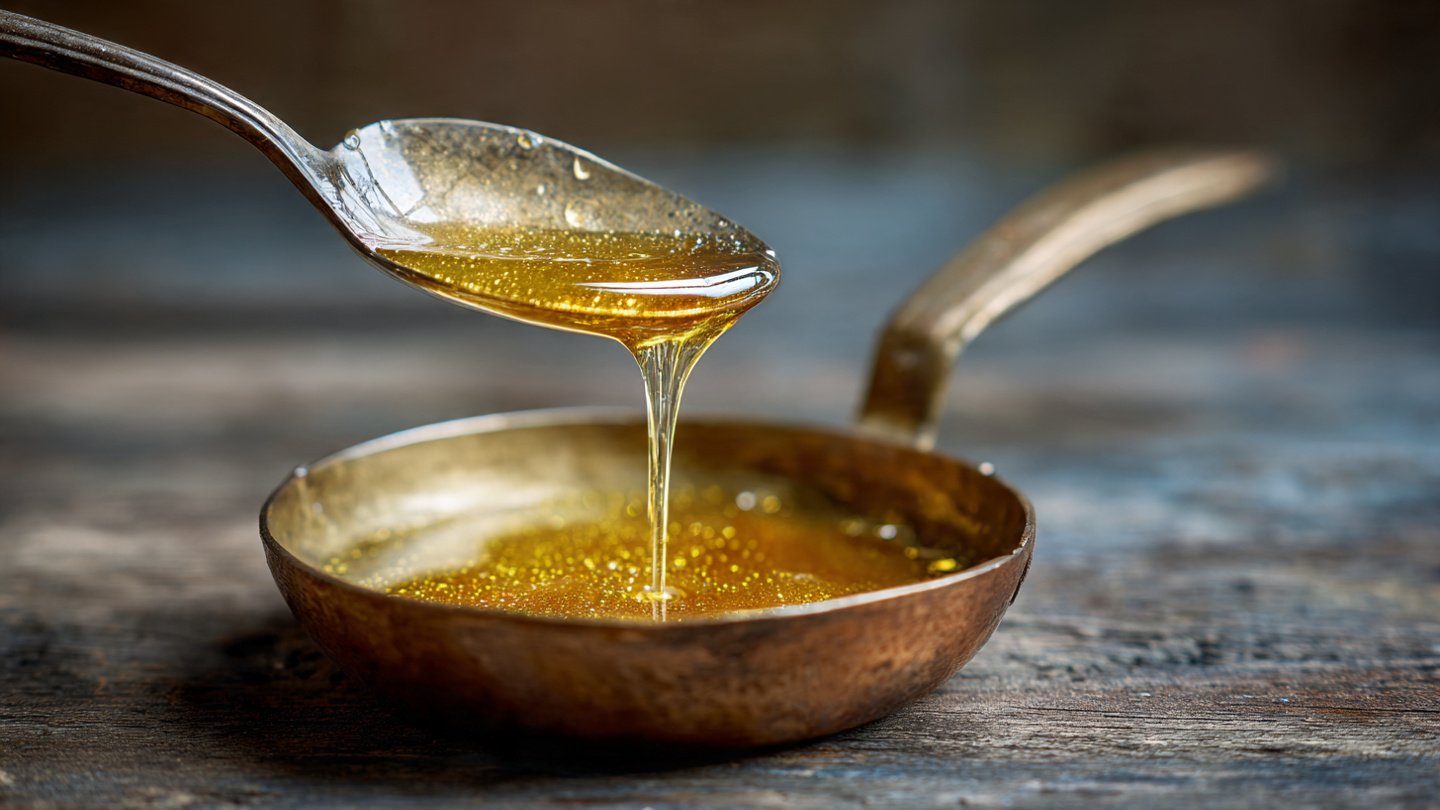
In holistic health practices, you might often hear a peculiar recommendation: avoid metal utensils when preparing or consuming certain remedies. This advice has roots in traditional healing practices and is becoming increasingly relevant in modern wellness discussions. Understanding the “secret” behind this advice reveals insights into the interplay between our physical health and the materials we use every day.
1. Historical Background
The belief against using metal in particular remedies is not a new phenomenon. In ancient cultures—especially in Ayurveda, Traditional Chinese Medicine (TCM), and various indigenous practices—utensils made from natural materials like wood, clay, or stone were preferred. These traditions often held views that metal could alter the properties of the remedy, either by reacting chemically or by affecting the energetic quality of the substance.
1.1 Ayurvedic Wisdom
In Ayurveda, which is one of the oldest holistic health systems in the world, the choice of utensils is critical. Many Ayurvedic practitioners recommend the use of copper or brass for specific purposes, believing that these metals can enhance certain properties when making medicine or food. However, stainless steel, aluminum, and other common metals are often viewed with suspicion.
1.2 Traditional Chinese Medicine (TCM)
Similarly, TCM aligns with the idea that materials influence the energetic properties of food and remedies. According to TCM, metals can interfere with the energy flow (Qi) in the body. Foods and herbs are believed to carry specific energies that can be weakened or altered when in contact with certain metals.
2. The Chemistry of Metals and Organic Materials
The main concern regarding metal utensils relates to their chemical reactions with organic materials. When herbs or natural remedies are steeped or mixed in metal containers, various interactions can occur. Here’s how:
2.1 Oxidation Reactions
Many metals, especially when exposed to moisture and heat, can undergo oxidation. This process produces free radicals, which can degrade the quality of herbal ingredients, reducing their efficacy.
2.2 Metal Ion leaching
Certain metals, particularly aluminum and copper, can leach into food and organic substances. This process can alter the taste and medicinal properties of herbs. For instance, copper is known to be reactive with certain herbal compounds, which may reduce their intended health benefits.
2.3 Alteration of pH Levels
Some metals can change the pH levels of the remedies or foods. A nuanced balance of acidity and alkalinity is often crucial for the proper functioning of natural medicines. Using metal can disrupt this balance, rendering the remedy less potent.
3. Potential Health Implications
3.1 Heavy Metal Contamination
One prominent concern is the risk of heavy metal contamination. Many metals can accumulate in the body over time, potentially resulting in toxicity. By occasionally using metal utensils, you might inadvertently introduce harmful substances into your diet, particularly if the utensils are of low quality or improperly maintained.
3.2 Allergic Reactions
Some individuals may have sensitivities or allergies to specific metals, including nickel and chromium, found in stainless steel. By avoiding metal utensils, you minimize the likelihood of allergic reactions when preparing or consuming remedies.
3.3 Energetic Effects
From a holistic standpoint, the energy of the food or remedy is a vital component of its healing properties. Metal is considered a conductor of energy, which can sometimes disrupt the natural energies of the herbs or other components of a remedy. Utilizing non-metallic materials can help to preserve the energetic integrity.
4. Suitable Alternatives to Metal Utensils
Given the potential drawbacks of using metal utensils, many holistic practitioners recommend several alternatives for preparing and consuming remedies:
4.1 Wooden Utensils
Wood is a popular choice for holistic cooking and preparation. It is non-reactive, retains temperature well, and is believed to carry a warm energy.
4.2 Ceramic and Glass
These materials are inert and do not react chemically with food or remedies, making them an ideal choice. They also offer versatility, as they can be used for a variety of cooking methods.
4.3 Bamboo
Bamboo utensils are lightweight and durable, and they also have natural antibacterial properties. They are an excellent alternative for anyone looking to maintain a more environmentally friendly lifestyle.
4.4 Stone and Clay
In certain cultures, stone and clay pots are favored for their non-reactive properties. Clay pots can add specific flavors to food and retain nutrients, making them a traditional choice for numerous remedies.
5. Cultural Practices Around the World
The avoidance of metal utensils is echoed in various cultures worldwide.
5.1 Indian Cooking
In Indian cuisine, wooden spatulas are common, especially in the preparation of sautéed dishes and curries. Many prefer using earthenware pots for cooking due to their thermal properties and the belief that they impart beneficial qualities to the food.
5.2 African Traditional Medicine
Some African traditional healing practices recommend using calabash or clay vessels for mixing herbs, believing that these materials foster a harmonious energy for the plants.
5.3 Native American Practices
Many Native American tribes traditionally avoided metal, favoring natural materials for both cooking and healing practices. This stems from a deep respect for nature and a belief that natural materials hold important spiritual properties.
6. Modern Scientific Perspectives
While many modern researchers are examining the claims made by traditional practices, scientific investigations into the interactions of metal with organic materials are ongoing. Some researchers are exploring how these interactions can affect the nutritional content and medicinal efficacy of food.
6.1 Studies on Nutrient Degradation
Studies indicate that certain vitamins and minerals can degrade when exposed to metal cookware. For instance, heat-sensitive vitamins like vitamin C and some B vitamins can lose potency when cooked in reactive metal pots.
6.2 Research on Heavy Metals
With rising concerns about environmental contamination and heavy metal exposure, the discussion has shifted towards the safety of our food preparation methods. Research often highlights that avoiding metal utensils can mitigate the risk of heavy metal contamination in food.
7. Psychological and Spiritual Dimensions
The psychological aspect of using non-metal utensils is also noteworthy. Many people report a greater sense of peace when they use wooden or natural materials, which can enhance their overall cooking experience.
7.1 Mindfulness in Preparation
Using natural utensils can lead to a more mindful practice in the kitchen. The tactile relationship with tools made from natural materials encourages a deeper connection with the food, which can enhance the healing ritual surrounding remedy preparation.
7.2 Spiritual Practices
In many spiritual traditions, the act of cooking and preparing remedies is revered as a sacred process. Utilizing metal utensils may feel discordant in these traditions, whereas using natural materials aligns with a philosophy of harmony and balance.
Conclusion
The suggestions to avoid metal utensils when preparing certain remedies stem from a complex interplay of historical, chemical, and cultural factors. While modern science continues to study these issues, the holistic view remains compelling.
By understanding the reasons behind this advice, practitioners and consumers can make informed choices that align with their health philosophies and lifestyles. Whether you are engaging in herbal medicine, cooking, or simply seeking to enhance your well-being, embracing non-metal utensils offers not just a practical approach but a more profound connection to the natural world and the remedies you create within it.
The secret behind this practice lies not merely in the materials but in the respect and understanding of the intricate relationship we share with nature, our food, and our health.