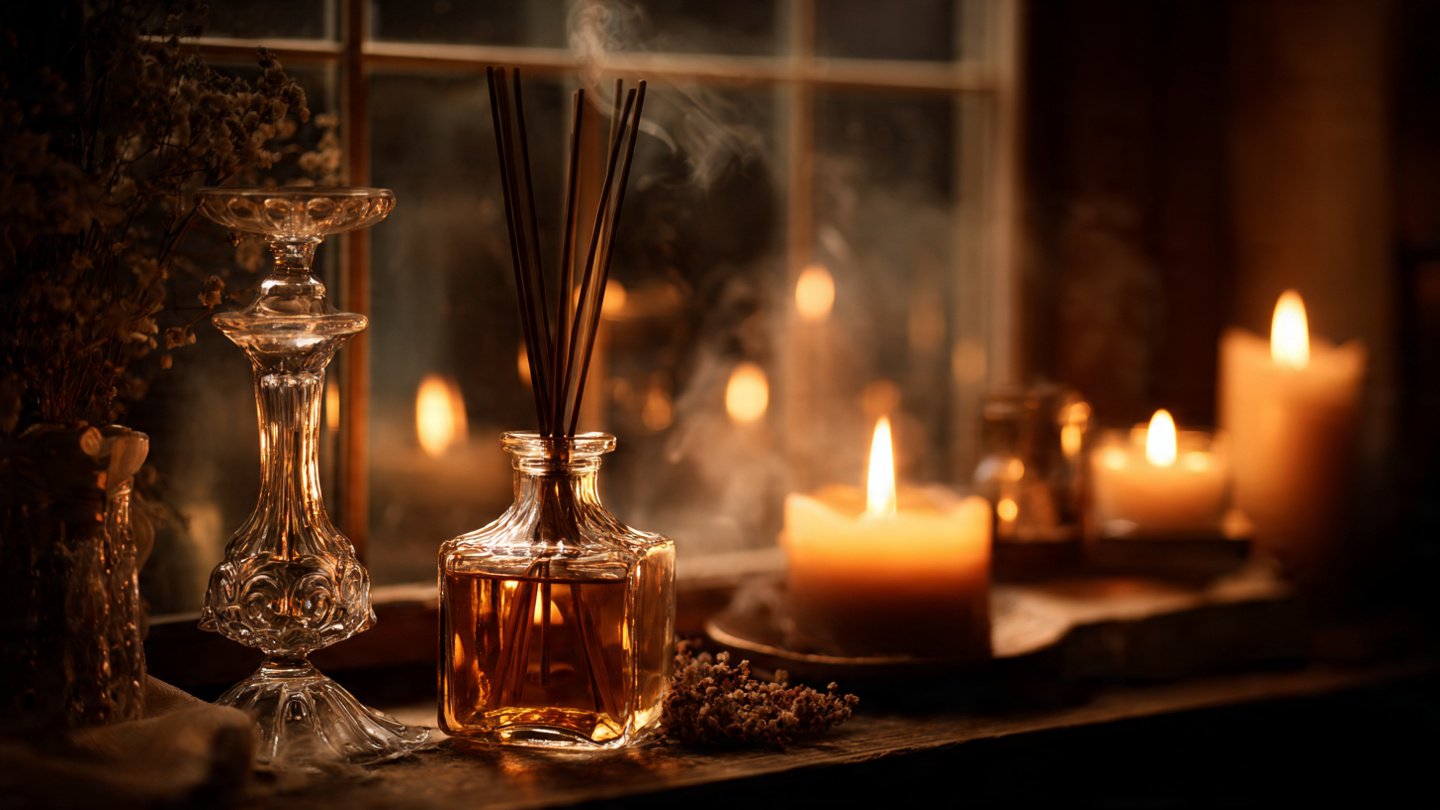
There’s something inherently soothing about the night. As darkness falls, a unique set of aromas fills our homes, each hinting at comfort, relaxation, and the winding down of the day. The phenomenon of nighttime home aromas goes beyond mere scent; it encapsulates memories, emotions, and even the essence of home itself. This article delves into the various aspects surrounding nighttime aromas, their sources, and the effect they have on our wellbeing.
The Science Behind Aromas
Aromas play a profound role in our lives. Scientifically known as volatile organic compounds (VOCs), these aromas are detected by our olfactory system, which is directly linked to the limbic system, the part of our brain involved in emotion and memory. This connection explains why certain scents can transport us back to a specific moment or foster a feeling of nostalgia.
Why Nighttime Scents Differ
Differences in daytime and nighttime scents can be attributed to environmental factors, such as temperature and humidity, as well as the activities we engage in at different times of the day. The evening often brings cooler temperatures, which can intensify certain aromas, making them more pronounced.
Common Sources of Nighttime Aromas
As the day transitions into night, various sources contribute to the unique palette of home aromas:
- Cooking: The dinner hour often fills our homes with the smells of spices, roasting meats, or baking desserts. These comforting scents can evoke feelings of warmth and safety.
- Candles and Essential Oils: Many people light candles or use essential oil diffusers in the evening, introducing a variety of fragrances—lavender for relaxation, citrus for freshness, or sandalwood for grounding.
- Household Plants: Some indoor plants release pleasant aromas at night, like jasmine or gardenia, which can enhance the ambiance and create a calming atmosphere.
- Weather Changes: Atmospheric changes can also influence scents. The smell of rain, due to the release of geosmin, is a common experience that many find refreshing and is often more noticeable in the evening.
The Role of Aromas in Relaxation and Sleep
Aromas significantly influence our mood and wellbeing, especially during the night. Certain scents have been scientifically proven to aid in relaxation and improve sleep quality.
Essential Oils and Their Benefits
Essential oils are a popular choice for creating calming nighttime environments. Here are a few commonly used oils and their benefits:
- Lavender: Known for its calming properties, lavender can help reduce anxiety and promote deeper sleep.
- Chamomile: Often consumed as tea, chamomile’s scent has sedative effects that can enhance relaxation.
- Ylang-Ylang: This floral scent reduces stress and promotes emotional balance.
Diffusers, roll-ons, or even simply placing a few drops on your pillow can integrate these soothing aromas into your nightly routine.
Creating Your Unique Nighttime Aroma
Personalizing your nighttime aroma can enhance your evening ritual and mood. Here’s how you can create a unique scent profile:
Experiment with Blends
Mix different essential oils to create a custom blend that resonates with your senses. For example, combining lavender and cedarwood can create a calming atmosphere, while citrus and eucalyptus can invoke a sense of freshness.
Utilize Potpourri and Scented Sachets
Crafting your potpourri or using scented sachets can add a personalized touch to your nighttime aromas. Utilizing dried flowers, herbs, and essential oils, you can create a blend that reflects your personal style.
Incorporate Memories
Consider including scents associated with positive memories or experiences. For instance, if you recall a family vacation filled with the smell of the ocean, you might add a hint of coconut or sea breeze fragrance to your nighttime routine. This practice can create a comforting and nostalgic atmosphere.
Maintaining a Balanced Aroma Environment
While it’s delightful to indulge in rich aromas, balance is key. Too many strong scents can create an overwhelming environment that can lead to discomfort or even headaches.
Layering Scents
Layer your aromas gradually. Start with a base scent (like a candle) and add in lighter fragrances (like room spray) to avoid overpowering the senses. It’s also beneficial to consider the size of your space; smaller rooms may require lighter scents compared to larger areas.
Time Considerations
Be mindful of when to introduce different scents. For example, start with invigorating scents in the early evening and transition to calming scents closer to bedtime.
Conclusion
Exploring the aromas that linger in our homes at night offers a unique glimpse into our preferences, memories, and emotional wellbeing. By understanding the source and impact of these scents, we can consciously curate our environments to enhance relaxation and foster a sense of peace. Whether it’s through the art of essential oils or the simple act of lighting a candle, the mystery of nighttime home aromas invites us to delve deeper into our sensory experiences, creating a space that feels uniquely ours.
FAQs
1. What are the best scents for promoting sleep?
Lavender, chamomile, and sandalwood are widely regarded as excellent choices for promoting relaxation and enhancing sleep quality.
2. How can I make my own scented candle for nighttime use?
You can make your own scented candle by melting wax, adding essential oils, and pouring the mixture into a container with a wick. Customize the blend to create your desired aroma!
3. Are there any negative effects of using strong scents at night?
Yes, overly strong scents can lead to headaches or discomfort. It’s essential to balance the intensity and choose lighter fragrances closer to bedtime.
4. How can I incorporate nighttime aromas into my routine?
Try using essential oil diffusers, scented candles, or relaxing potpourri before bedtime to create a calming atmosphere in your space.
5. Can scents really affect my mood and emotions?
Absolutely! Scents are closely linked to the brain’s limbic system, which regulates emotions and memories, making certain aromas capable of altering our mood.