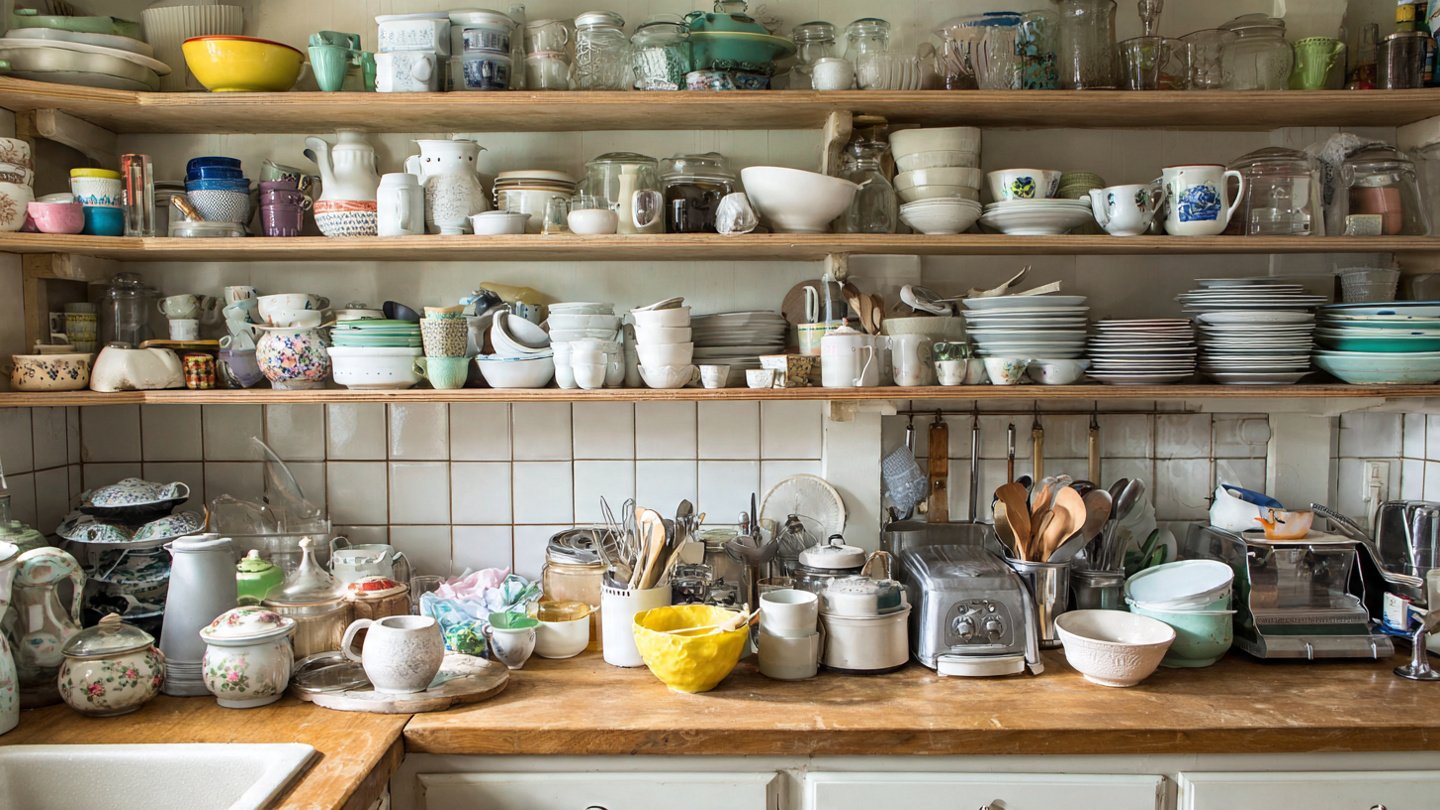
Kitchens are often described as the heart of the home. They serve as central gathering spots for families, the stage for culinary endeavors, and sometimes, even the space where significant life moments unfold. However, this vital space is frequently plagued by a common issue: clutter. In this article, we will delve into why kitchen clutter reappears so swiftly and provide insights on how to manage and minimize it effectively.
The Nature of Clutter
Before we can understand the cycle of clutter in our kitchens, it’s essential to grasp what clutter actually is. Clutter consists of items that are disorganized, misplaced, or simply not used frequently. While some might view clutter as a minor annoyance, it can have significant psychological and practical implications. Clutter can create stress, overwhelm, and even hinder productivity in a space meant for creativity and nourishment.
Reasons Why Kitchen Clutter Reappears
1. High Usage and Functionality
Kitchens are among the most frequently used spaces in any home. Daily activities like cooking, meal prep, and entertaining contribute to a constant influx of items. Simply put, the more a space is used, the greater the potential for disorder. Every meal requires various tools and ingredients, leading to a plethora of items moving in and out of cabinets, drawers, and countertops.
2. Inefficient Storage Solutions
A kitchen designed without effective storage can easily become cluttered. If cabinets are overflowing, counters are lacking organized space, or drawers are in disarray, it’s easy for items to end up out of place. For example, if pots and pans are stacked haphazardly, the moment someone needs one, the entire arrangement can be disrupted, leading to chaos.
3. Emotional Attachment
We often develop emotional attachments to kitchen items, whether it’s a set of quirky mugs gifted by friends or a high-end blender used on special occasions. This sentimentality can cause us to hold onto items that no longer serve a practical purpose. As a result, our kitchens accumulate an assortment of utensils, gadgets, and dishes that contribute to clutter.
4. Inconsistent Organization Habits
A major contributor to kitchen clutter is inconsistent organization habits. One might spend hours decluttering and organizing, only for everyday life to gradually erode that order. The lack of established systems for daily tasks—like putting away groceries or handling mail—can lead to incremental clutter buildup. When organization is not habitual, clutter inevitably returns.
5. Waste and Overbuying
One of the core issues of kitchen clutter is the tendency to overbuy items. Whether it’s pantry staples or kitchen gadgets, our shopping habits can lead us to accumulate more than we need. When there are duplicates of items or when items are not used within their expiration dates, they take up valuable space and contribute to clutter.
6. Kitchen Design
The architectural design of a kitchen can play a pivotal role in its organization and clutter level. Poor layouts can result in difficult navigation, leading to items being left on counters instead of returning them to their designated places. If the flow of movement is interrupted by clutter, it becomes a cycle that’s hard to break.
7. Limited Time for Maintenance
In our fast-paced lives, we may not have the time or energy to maintain an organized kitchen. With busy work schedules and personal commitments, the task of keeping a kitchen clutter-free can fall by the wayside. When quick meals and convenience are prioritized, the results can be a kitchen plagued by returning clutter.
Strategies to Combat Kitchen Clutter
Understanding why clutter reappears is only half the battle; the other half is finding solutions. Here are strategies to help keep kitchen clutter at bay.
1. Designate a Permanent Place for Everything
Establish clear, designated spots for each kitchen item. Whether it’s utensils, appliances, or food items, knowing where everything belongs can minimize the chances of clutter forming. Make it a family effort, so everyone understands the system.
2. Implement Regular Decluttering Sessions
Schedule regular decluttering sessions, perhaps once a month, to reevaluate the items in your kitchen. Ask yourself how often you use each item and whether it’s worth keeping. This consistent practice helps maintain order.
3. Use Bins and Organizers
Invest in drawer dividers, shelf organizers, and bins to create specific zones for items. When things are categorized and easy to find, people are less likely to leave items in disarray, thus minimizing clutter.
4. Limit Duplicate Items
Before purchasing new kitchen gadgets or tools, evaluate what you already own. Limiting duplicates prevents unnecessary clutter and ensures that every item has a purpose.
5. Adopt the One In, One Out Rule
Implement the “one in, one out” rule when it comes to purchasing new items. For every new item brought into the kitchen, consider donating or discarding an old one. This limits accumulation and keeps clutter in check.
6. Develop Efficient Daily Routines
Create efficient routines after cooking and before grocery shopping to help keep clutter under control. For instance, clean as you go during meal preparation or set aside a few minutes daily to organize.
7. Educate and Involve Family Members
Involve family members in preventing kitchen clutter. Educate everyone about the importance of returning items to their designated places and working together to keep the kitchen organized.
Psychological Tips for Managing Clutter
The struggle with kitchen clutter is as much psychological as it is physical. Here are some tips to tackle the emotional aspect.
1. Shift Your Mindset
Recognize that a cluttered kitchen can lead to stress and disorganization. By shifting your mindset to view decluttering as an ongoing process rather than a one-time task, you can create a healthier relationship with your space.
2. Celebrate Small Wins
When you successfully declutter or maintain an organized kitchen for a week, celebrate those small victories! Recognizing your efforts can motivate you to continue improving your kitchen environment.
3. Visualize Your Ideal Space
Take a moment to visualize your ideal kitchen. What does it look like? How do items interact within it? Use this mental image as inspiration for your decluttering journey.
Conclusion
Kitchens can quickly become cluttered due to high usage, inefficient storage solutions, emotional attachments, and inconsistent habits. By understanding the underlying reasons for this clutter, you can adopt effective strategies to mitigate it. Fostering an organized kitchen is a continuous process that requires mindfulness, dedication, and collaboration among family members. Ultimately, a clutter-free kitchen not only enhances functionality but also enriches the overall cooking and dining experience, making the kitchen a true heart of the home. In our bustling lives, prioritizing an organized kitchen can lead to a more streamlined, enjoyable, and less stressful cooking experience. Embrace the challenge, tackle the clutter, and transform your kitchen into a serene and efficient space where culinary creativity can thrive.