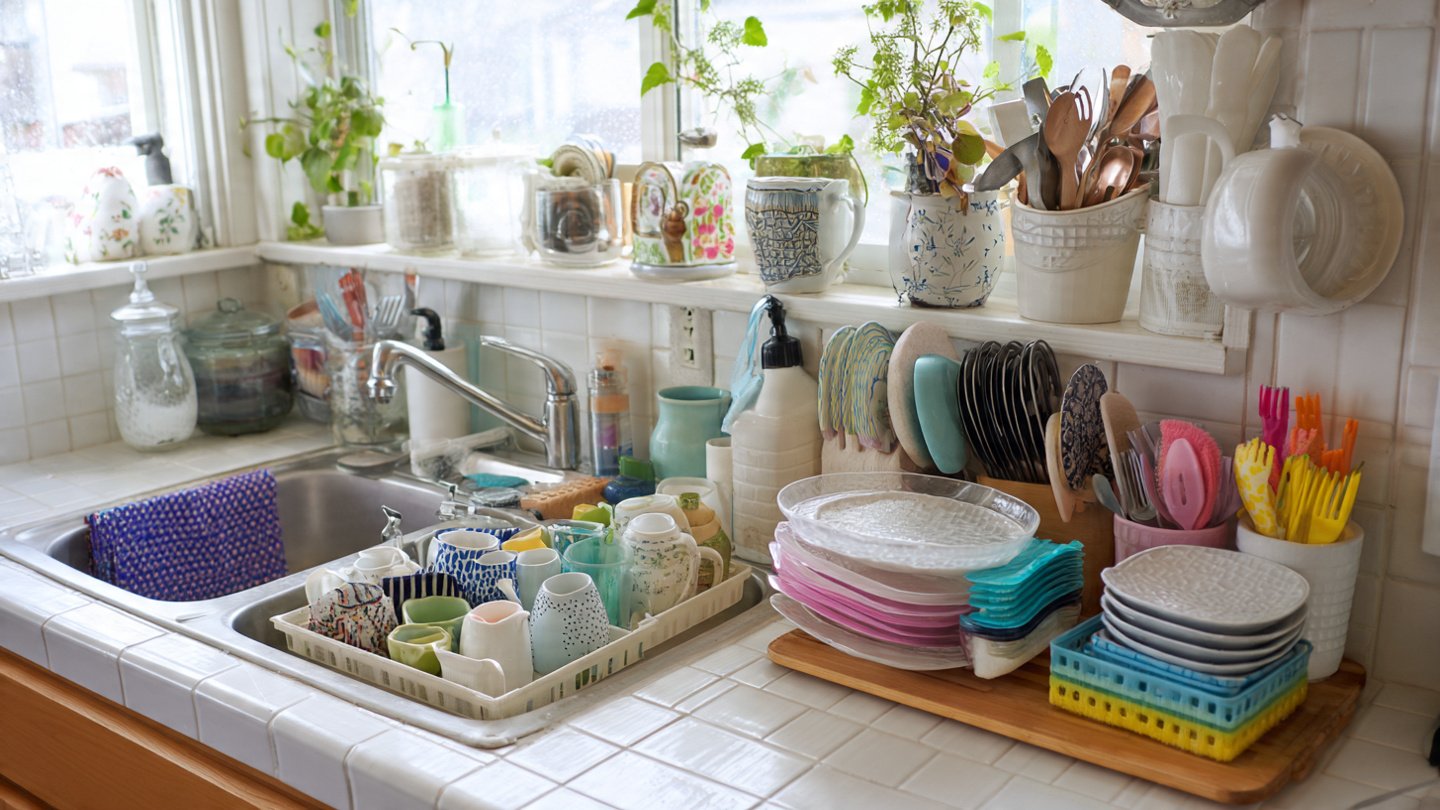
The kitchen is often regarded as the heart of the home. It is not just a space for cooking; it’s a gathering place for family and friends. A clean and organized kitchen can enhance both its functionality and aesthetic appeal. However, keeping kitchen counters clear and organized can sometimes feel like a daunting task. In this article, we’ll explore effective strategies and tips to maintain a neat kitchen environment every day, ensuring that your countertops remain clutter-free and inviting.
Understanding the Importance of Clear Countertops
Having a clean and organized kitchen counter is essential for several reasons:
- Improved Functionality: A clear workspace allows for easier cooking and meal preparation. It enhances efficiency and can reduce the time spent searching for tools or ingredients.
- Enhanced Aesthetics: A clutter-free countertop improves the overall appearance of the kitchen, making it more inviting for family and guests.
- Promotes Hygiene: Keeping countertops clear of unnecessary items helps to maintain hygiene, reducing the accumulation of dust and crumbs that attract pests.
- Stress Reduction: An organized space can lead to a more peaceful mind. A cluttered environment can be overwhelming and stressful, while an organized one promotes calm.
Daily Habits to Maintain Clarity
1. Establish a Clean-as-You-Go Policy
One of the most effective ways to maintain a clear countertop is by adopting a clean-as-you-go approach. As you prepare meals, take the time to clean utensils, pots, and other items before they pile up.
2. Limit Countertop Appliances
While appliances can certainly make cooking easier, too many can create clutter. Limit the number of appliances that remain on the countertop to only those that are used daily, such as:
- Coffee maker
- Toaster
- Blender
Store less frequently used items in cabinets or pantry space to free up valuable countertop real estate.
3. Create Designated Spaces
Designating specific areas for items can drastically reduce clutter. For example, allocate one section of the countertop for small kitchen tools, another for your coffee station, and so on. This not only organizes the space but also creates a system that makes it easy to find what you need quickly.
4. Daily Decluttering Routine
Incorporate a quick daily decluttering routine into your schedule. Spend 5 to 10 minutes each day tidying up the countertop. You can:
- Put away items that don’t belong
- Wipe down surfaces
- Dispose of expired items
This brief effort will yield a significant impact over time.
Organizational Tools and Techniques
1. Use Bins and Baskets
Utilizing bins and baskets on your countertops can help keep similar items together. For instance, keep your baking items in one basket, and coffee supplies in another. This not only organizes the countertop but also makes it aesthetically pleasing.
2. Drawer Dividers
Drawers often overflow with tools and gadgets. Invest in drawer dividers to categorize items neatly. This makes it easier to find utensils and reduces the temptation to leave them scattered on the countertop.
3. Vertical Storage Solutions
Maximize your kitchen’s vertical space by installing floating shelves. This allows you to keep decorative items or frequently used jars up high while freeing up counter space. You can also hang pots and pans, which adds a creative touch to your kitchen.
4. Magnetic Strips
Magnetic strips can be a unique way to store knives and metal utensils. Attaching a magnetic strip to a wall or underneath cabinets not only keeps these items within reach but also clears up valuable countertop area.
Incorporate Routine Cleaning
Routine cleaning not only keeps your kitchen safe and hygienic but also contributes to keeping the counters organized. Here are some tips for effective kitchen cleaning routines:
1. Weekly Deep Cleaning
Set aside time each week for a thorough cleaning of your kitchen. This can involve:
- Cleaning all surfaces
- Wiping down appliances
- Organizing cabinets and pantry
This practice ensures that accumulated clutter and grime don’t take over your kitchen counters.
2. Utilize Natural Cleaning Solutions
Consider using natural cleaning solutions for a safer kitchen environment. Solutions like vinegar and baking soda can effectively clean surfaces without harsh chemicals.
Involve the Family
If you live with others, it’s important to involve them in the organization process. Here are some strategies to ensure everyone stays accountable:
1. Set Rules and Responsibilities
Establish clear rules regarding kitchen usage and cleanliness. Assign specific tasks to family members, such as washing dishes or wiping down counters after use.
2. Make It Fun
Create a friendly competition or game around keeping the kitchen clean. This can motivate everyone to contribute to keeping the counters clutter-free.
Conclusion
In summary, keeping your kitchen counters clear and organized is not a one-time task but a continuous process that requires daily effort and strategies. By adopting small daily habits, using organizational tools, involving family members, and maintaining cleanliness, you can create a kitchen environment that is both functional and inviting. A clutter-free countertop not only enhances the efficiency of your cooking but also contributes to a more pleasant atmosphere in your home.
FAQs
1. How often should I declutter my kitchen counters?
It’s recommended to declutter your kitchen counters daily, spending just a few minutes each day to keep them clear. A more thorough decluttering can be done weekly.
2. What items should I keep on my kitchen counter?
Only keep items you use every day or frequently, like a coffee maker or toaster. Everything else should be stored away in cabinets or a pantry.
3. What are some quick cleaning tips for kitchen counters?
Use a combination of vinegar and water for an effective and natural cleaner. Wipe down the countertops after each meal prep, and make it a habit to clean any spills immediately.
4. How can I involve my children in maintaining a clean kitchen?
Assign age-appropriate tasks to your children, such as drying dishes or wiping down surfaces. Make it a fun activity by doing it together.
5. What should I do with appliances I rarely use?
Store appliances that you do not use frequently in cabinets or the pantry. This will free up counter space for more essential items.