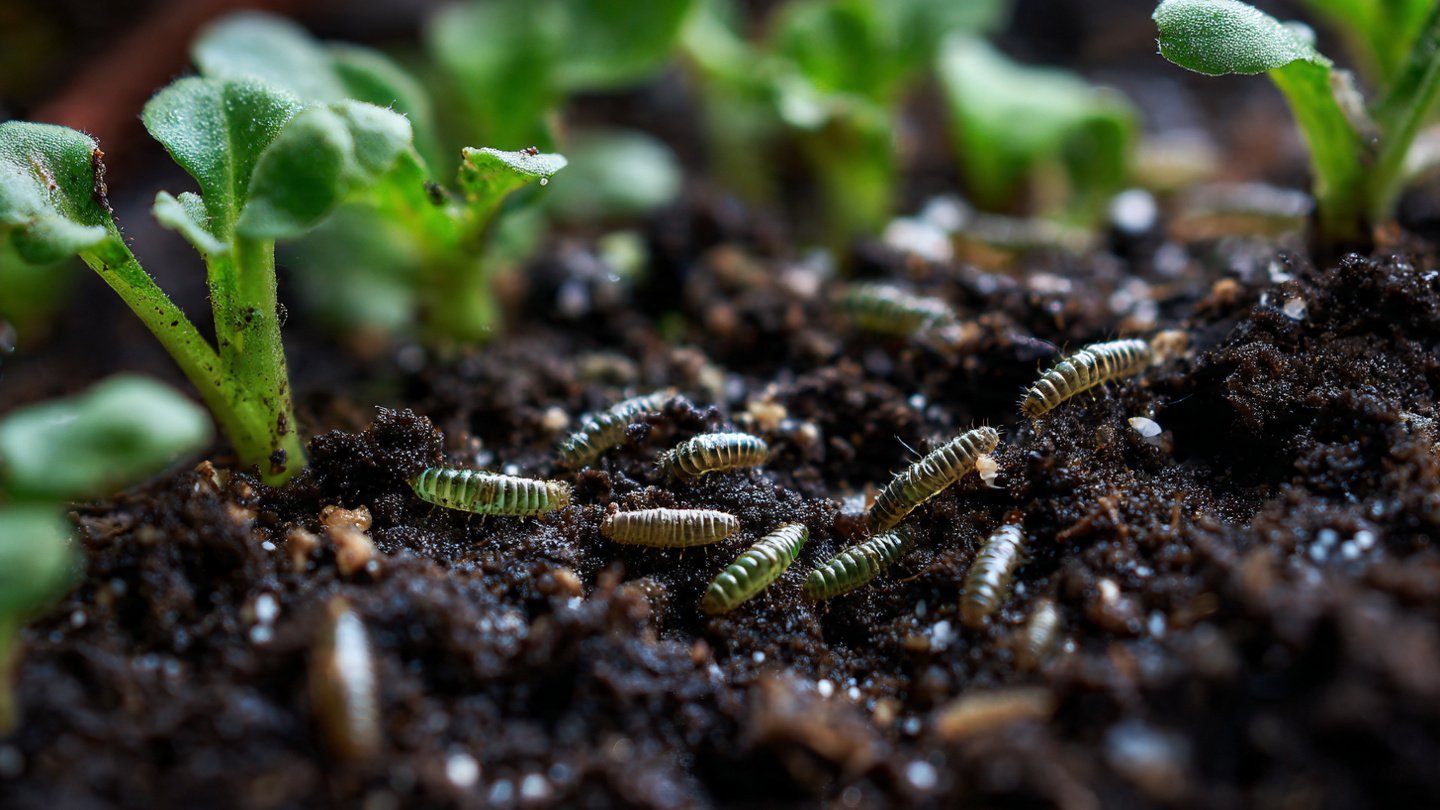
Creating a thriving kitchen garden can be a fulfilling and rewarding experience. However, one of the challenges garden enthusiasts often face is pest infestation. Among the various complexities of managing pests, understanding their behavior is crucial—especially why many pests seek refuge below the soil surface. This article delves into this behavior, uncovering the reasons why pests choose to stay underground, the types of pests involved, the implications for gardeners, and effective management strategies.
The Importance of Soil Habitat
Soil serves as a critical habitat for various organisms, including beneficial microorganisms and pests alike. The soil environment offers ideal conditions for survival, reproduction, and access to food. Let’s consider some of the essential factors that make the soil an attractive shelter for pests.
Protection from Predators
Pests that reside beneath the soil benefit from protection against natural predators. Birds, beneficial insects, and small mammals often feast on these pests. By burrowing into the soil, pests can evade these hunters, ensuring their survival.
Example: Grubs, which are the larvae of beetles, dig into the earth to shield themselves from predators. Their protective behavior helps them develop without the constant threat of being consumed.
Stable Microclimate
Soil provides a stable microclimate that can help pests maintain optimal moisture and temperature conditions. The soil temperature is generally more constant than air temperature, providing an environment conducive to development.
Importance in Plant Growth: This stability is not just beneficial for pests; it also plays a significant role in the growth of plants. Healthy soil enhances root systems and accelerates nutrient absorption, yet it also creates a haven for malevolent insects.
Food Sources
Many soil-dwelling pests have easy access to rooted plants and the decaying organic matter that nourishes them. Some pests consume decomposing roots or organic material, while others feed on plant roots themselves. This access to food supplies draws various pests into the soil.
Example: Nematodes, microscopic roundworms, often feed on plant roots, specifically seeking out gardens rich in organic matter, which provides nutrition and sustenance.
Types of Kitchen Garden Pests
Understanding the various pests that seek shelter beneath the soil surface is vital for effective management. Here are some common soil-dwelling pests you may encounter in your kitchen garden:
1. Root Maggots
These pests are the larvae of certain flies. Root maggots primarily target brassicas, such as cabbage and broccoli, burrowing into the roots and causing extensive damage. Their life cycle allows them to live beneath the soil surface, making them challenging to manage.
2. Grubs
As mentioned earlier, grubs are the larval stage of beetles. They typically dwell in the soil and feed on the roots of plants, leading to wilting and stunted growth. Different species of grubs target various plants, making it essential for gardeners to identify the specific species affecting their garden.
3. Cutworms
Cutworms are nocturnal caterpillars that can be very destructive. They are known for cutting the stems of seedlings at or just below soil level, causing the plants to collapse. They spend the day hiding beneath the soil and come out at night to feed.
4. Nematodes
While some nematodes can be harmful, others are beneficial soil organisms. The harmful species feed on roots and can transmit plant diseases.
5. Ants
While ants are often considered beneficial because they aerate the soil, some species farming aphids can become pests themselves, damaging plants to access sugars produced by aphids.
Implications for Gardeners
Understanding why pests gravitate towards the soil is vital for effective garden management. Here are some implications of this pest behavior:
Crop Damage
Pests residing underground can cause significant damage to plants, especially young seedlings. This can lead to crop failure, resulting in financial loss and wasted effort. For gardeners depending on their kitchen gardens for sustenance, this can be particularly devastating.
Soil Health
Pests can negatively impact soil health. Damage to plant roots can affect nutrient absorption, leading to weaker plants. Furthermore, the interaction of harmful pests with beneficial soil organisms can disrupt the overall ecosystem.
Pest Resistance and Lifecycle Management
Understanding the life cycles of these pests can help in developing more effective management strategies. By targeting specific life stages, gardeners can disrupt the pest’s reproductive cycles and manage populations.
Strategies for Managing Soil-Dwelling Pests
While the presence of pests in gardens is often inevitable, their populations can be managed effectively through various strategies. Here are some methods to keep soil-dwelling pests at bay:
1. Crop Rotation
Rotating crops each season can disrupt pest life cycles. Many soil-dwelling pests are specific to certain plant families; changing what you grow can minimize their presence.
Example: Practicing crop rotation can keep pests like root maggots at bay, as they may not survive if their preferred host plants are not available.
2. Soil Health
Maintaining healthy soil can foster beneficial organisms that help keep pest populations under control. Incorporating organic matter, compost, and mulch can improve soil structure and enhance microbial activity.
Benefits: Healthy soil supports strong plants, making them more resilient to pest damage.
3. Trapping and Barriers
Using physical barriers and traps can prevent pests from accessing your plants. Installing row covers can deter pests like cutworms and allow your seedlings to grow without disruption.
Example: Sticky traps can capture flying adult pests, while collar traps can be effective against cutworms.
4. Integrated Pest Management (IPM)
IPM is a comprehensive approach that combines various strategies—cultural, biological, and chemical—to manage pests while minimizing environmental impact. Monitoring pest populations allows gardeners to take action only when necessary.
Strategies Include:
- Beneficial insects: Introducing or encouraging natural predators can help control pest populations.
- Organic pesticides: When needed, organic treatments can minimize harm to beneficial organisms while targeting pests.
5. Soil Testing
Regular soil testing can help identify any issues regarding nutrient deficiencies or disease presence, helping you manage soil conditions for better pest control.
Conclusion
Understanding why kitchen garden pests seek shelter beneath the soil surface is essential for effective pest management. The protection, stable microclimate, and access to food that soil provides make it an invaluable habitat for pests. Strategies such as crop rotation, promoting soil health, using barriers, and adopting an integrated pest management approach can help mitigate the impact of these pests.
By being proactive in understanding and managing soil-dwelling pests, gardeners can create a resilient kitchen garden that thrives while minimizing damage from harmful organisms. Acknowledging the delicate balance between pests and beneficial organisms forms the foundation of successful gardening, ensuring your kitchen garden offers a bounty of fresh produce for you and your family.